Smoke taint spreads across B.C. wine country after Bald Range wildfire
Vintage 2026 faces mixed challenges as Garnet Valley grapes lost to fire; smoke damage reached Summerland, Peachland, Naramata Bench, and south Okanagan areas.
The day's top stories, food & events — every morning at 7. Unsubscribe anytime.
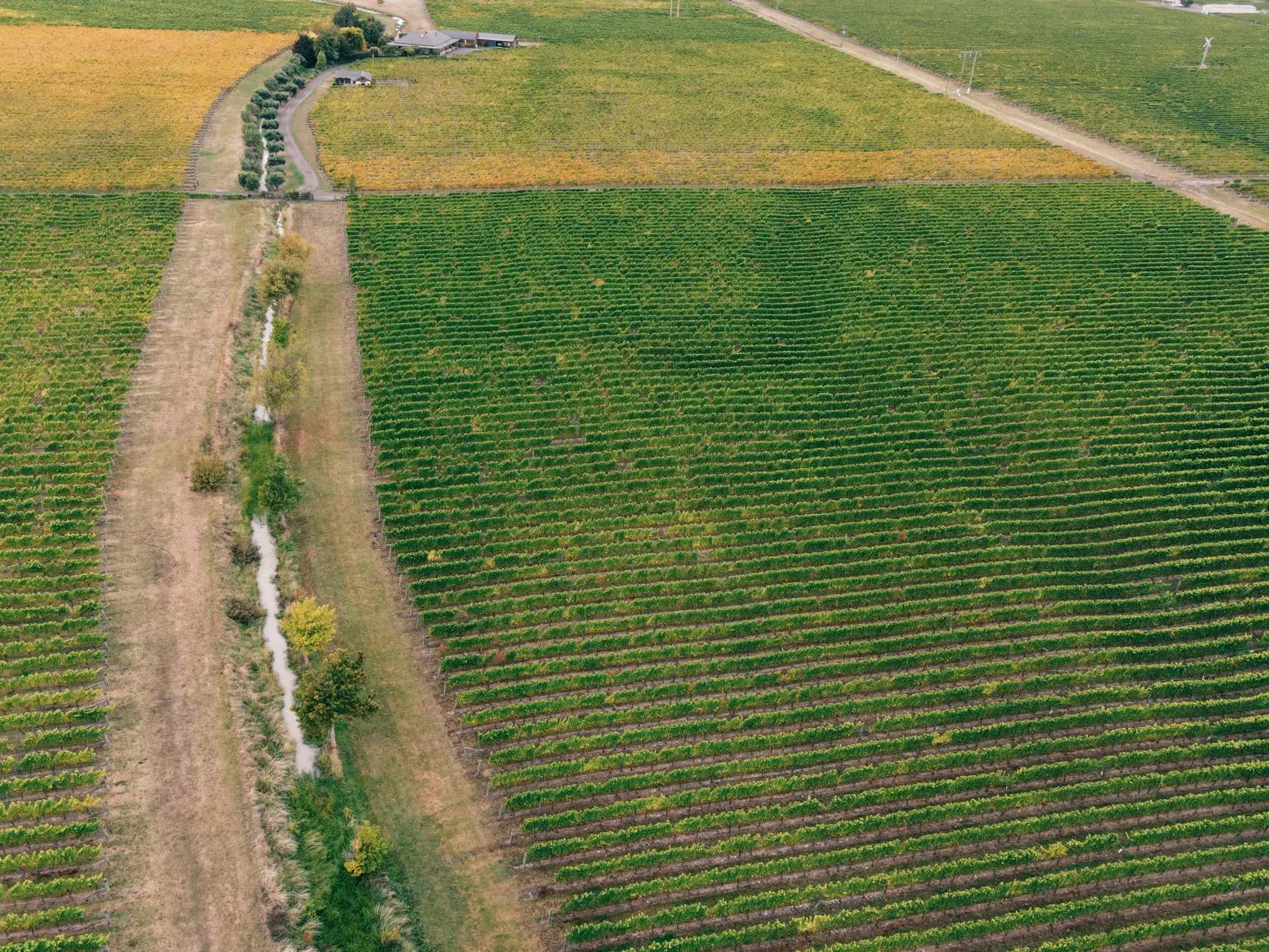
Vintage 2026 is shaping up as a challenging year for B.C. wine country. The Bald Range wildfire effectively eliminated most grapes grown in the Garnet Valley, though the vines remain largely intact and are expected to produce again in 2027 with little or no effect.
Smoke taint—damage from wildfire smoke that flavours wine—has spread far beyond the immediate burn zone. Affected regions include Summerland and areas north to Peachland, sites across Okanagan Lake on the Naramata Bench, and both the Osoyoos and Oliver areas in the south Okanagan after U.S. wildfire smoke also left its mark.
Wine writer Anthony Gismondi noted the vintage reflects broader wildfires affecting the region through late summer and early fall. Wineries face decisions about whether affected grapes can be salvaged or blended, balancing loss against vintage quality. The widespread smoke taint means the 2026 vintage will likely carry a distinctive—and for many producers, unwelcome—character across multiple Okanagan appellations.
By the numbers
Which wine region lost most of its grapes to the Bald Range wildfire?
Garnet Valley lost most of its grapes to the Bald Range wildfire, though the vines are expected to recover and produce again in 2027.
How many B.C. wine regions were affected by smoke taint from the Bald Range wildfire and related wildfires?
Smoke taint reached at least five regions: Summerland, Peachland, the Naramata Bench, Osoyoos, and Oliver in the south Okanagan.
