Supreme Court upholds ruling barring Indigenous title on private land
Decision denies Wolastoqey Nation's appeal, contrasting sharply with B.C. landmark ruling that questioned primacy of property rights.
The day's top stories, food & events — every morning at 7. Unsubscribe anytime.
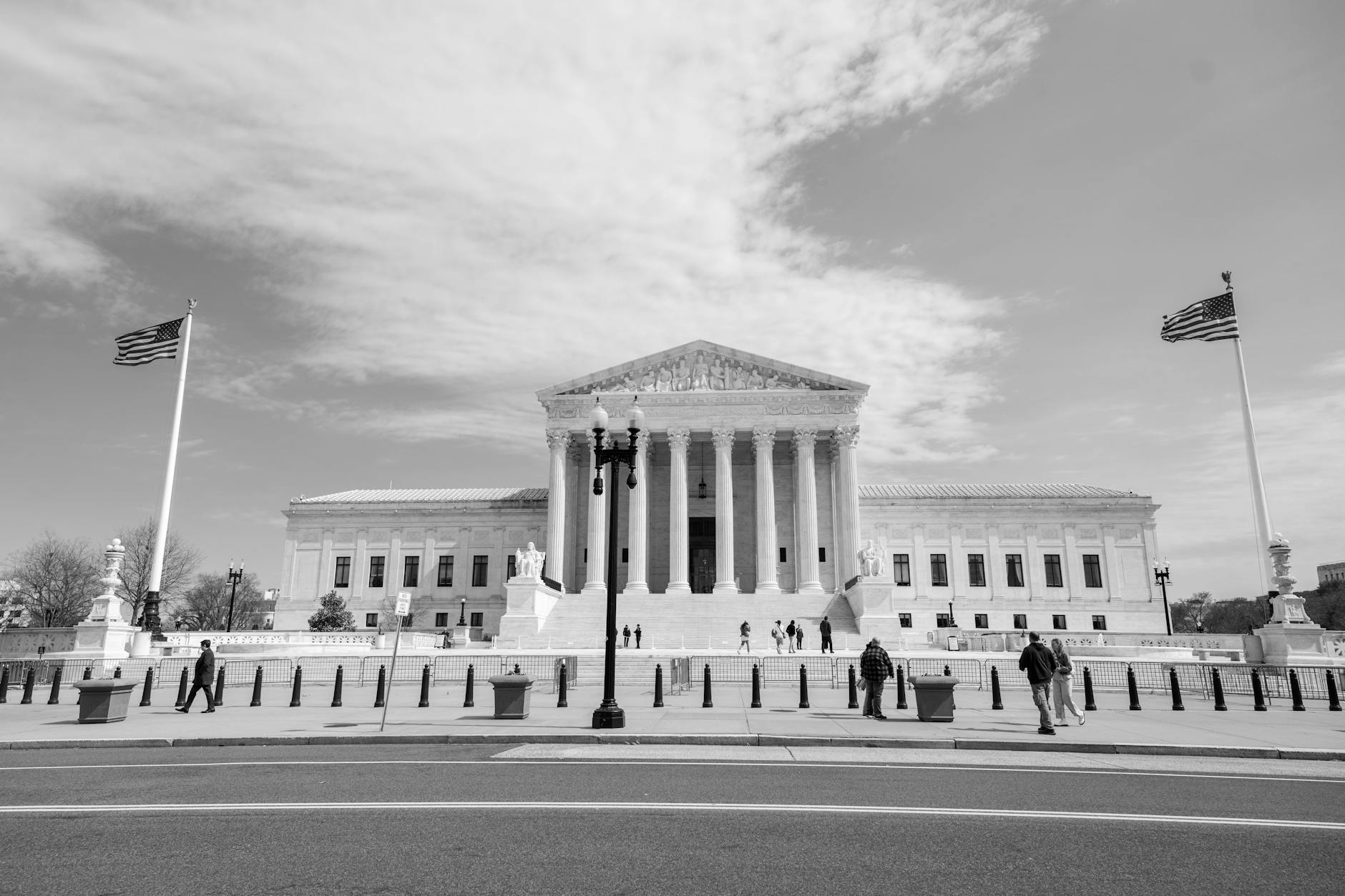
Canada's Supreme Court refused to hear a First Nation's appeal challenging a ban on declaring Aboriginal title over privately owned land, reinforcing the legal principle that Indigenous claims cannot override private property—even as a parallel case in British Columbia suggests otherwise.
The Wolastoqey Nation sought leave to appeal a New Brunswick Court of Appeal decision that stated Aboriginal title over private lands "would sound the death knell of reconciliation with the interests of non-Aboriginal Canadians." The Supreme Court rejected the bid on Thursday.
The federal government's Crown-Indigenous Relations Department said the ruling will inform arguments in other cases, particularly the Cowichan Tribes case in B.C., where a provincial court found the First Nation holds Aboriginal title over land including Crown, municipal, and private property on the Fraser River. That decision has sparked concerns among property owners and governments about the security of private ownership.
The B.C. government, federal government, and the City of Richmond are appealing the Cowichan ruling. A major private landowner in the area is separately seeking to reopen the case, claiming unfair exclusion from the original trial.
The contrasting outcomes highlight deepening uncertainty in Canadian law around Indigenous land rights and property claims. Ottawa maintains it will "protect private property" while "advancing reconciliation," but the two objectives increasingly collide in courts.
