U.S. Escalates Pressure on Canada's Defence Commitment
Pentagon official says Canada hasn't made "hard decisions" needed to be a credible military partner.
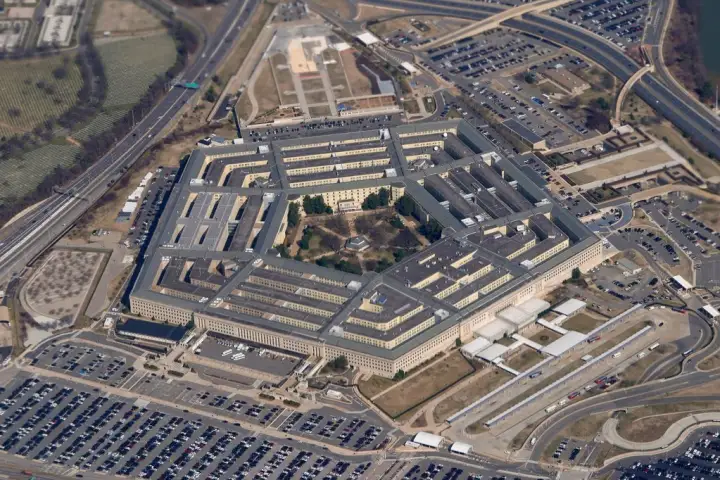
A U.S. Defense Department official escalated criticism of Canada's military spending Thursday, saying Canada has "yet to make the hard decisions and tradeoffs needed" to be a "credible" partner in continental defense. The blunt assessment signals growing frustration in Washington over stalled defence commitments and delayed procurement decisions.
The remarks came days after the Pentagon announced it was pausing the Permanent Joint Board on Defense — established in 1940 — "to reassess how this forum benefits shared North American defense." Prime Minister Mark Carney downplayed the move Tuesday, saying defence cooperation would continue through NORAD operations. But Thursday's Pentagon briefing revealed deeper concerns.
The primary target is Canada's delayed F-35 fighter jet review. Ordered by Carney last year, the review has missed its summer 2025 deadline and remains incomplete. The U.S. says the delay prioritizes politics over continental security, especially as Arctic threats from Russia and China intensify. "The Canadian government's delays and lack of transparency around its ongoing F-35 review are just one example of the prioritization of politics over our shared responsibility for North America's defense," the official said.
Canada has also failed to articulate a path to NATO's new 3.5 percent defence spending target by 2035. The country only reached NATO's 2 percent threshold this year after years of delay. The Pentagon said a "resourced plan" backed by concrete investments would be essential.
Canadian Defence Minister David McGuinty's office responded by listing recent investments: F-35 reviews aside, Canada has announced pay raises for armed forces personnel, military base upgrades, and plans to acquire new River-class destroyers, modernize NORAD, and purchase new submarines. But the Pentagon official said these announcements remain "rhetoric unless matched with resourced investments."
For Vancouver and the broader Pacific coast, the tensions matter: NORAD modernization and Arctic security directly shape continental defense posture and regional military presence. The U.S. is signaling that vague commitments won't cut it anymore.