Used bookstores across Canada wary of bulk orders suspected for AI training
Booksellers report mysterious requests for obscure titles as tech companies buy physical books to scan and destroy for language model datasets.
The day's top stories, food & events — every morning at 7. Unsubscribe anytime.
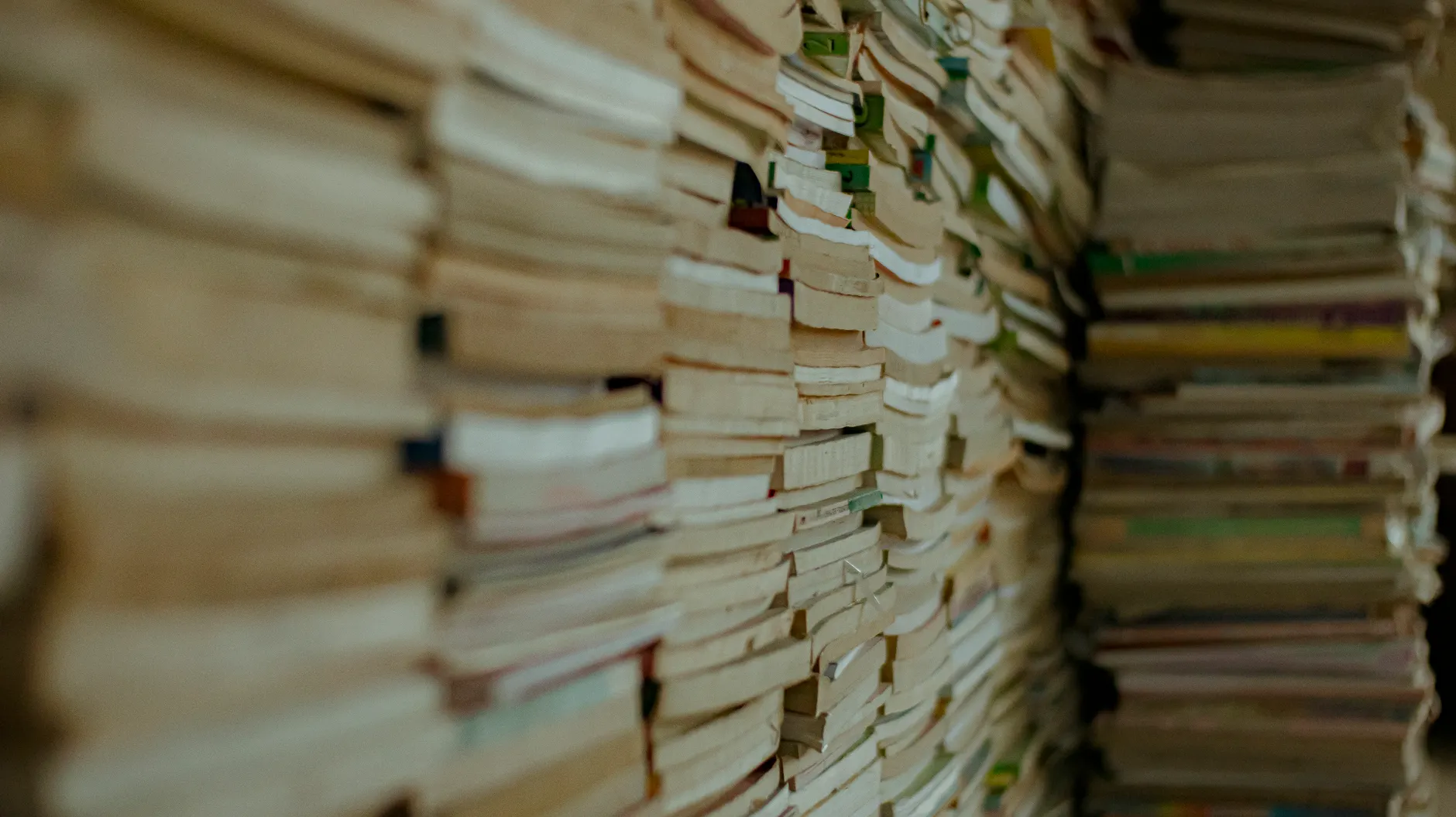
Canadian used bookstores are turning away mysterious bulk orders, alarmed by mounting evidence that tech companies are buying physical books to scan for artificial intelligence training — then discarding them.
The concern gained urgency after a U.S. lawsuit against AI company Anthropic revealed the firm spent millions on physical books, chopped off the spines to rapidly scan pages for its language model Claude, and threw away the remains. A separate investigation found large orders shipped to an Amazon facility in Las Vegas for "destructive scanning" to train language models, suggesting the practice has spread across the industry.
Peter Sellers, who runs Sellers & Newel bookstore in Toronto, said he began receiving "very suspicious" bulk requests around June for seemingly random book lists — a departure from the usual orders that come from film set designers with specific colour and size requirements. On June 10, a LinkedIn message arrived from someone claiming to represent data engineering company Innodata, saying they sought "large volumes of secondhand books." Sellers ignored it initially, but after reading about AI book scanning, the pattern clicked. "It's kind of tempting, because I can unload a lot of stuff that may otherwise be unsaleable," he said. "And then you start thinking about it — no, no no, there's something not right here."
Innodata, based in Ridgefield, New Jersey, describes itself as offering "data and domain expertise" for AI projects and claims to work with "seven of the world's largest tech companies." The company recently posted a senior book buyer job on LinkedIn. When CBC News requested comment, Innodata did not respond.
Other Canadian booksellers have reported similar requests in recent months, often targeting obscure educational titles that sat unsold for years. For struggling used bookstores, turning down bulk orders is difficult — the secondhand book business is not booming. Sellers' staff is now trained to refuse any bulk purchase unless it comes from a designer or organization they already know and trust. "If somebody wants stuff in bulk, the answer's no — unless you're a designer that we know or someone we've dealt with, or you've got some kind of legitimate credentials and you want these books for a legitimate reason," he said.
Physical books from before OpenAI launched ChatGPT in 2022 are particularly sought after. Industry experts say language models degrade when repeatedly trained on their own output, so developers need fresh content guaranteed to be free of AI-generated text. Some AI companies have also faced legal challenges using copyrighted digital content. Similar concerns are being raised by bookstore owners in Australia and elsewhere.
How many Canadian bookstores have received suspicious bulk orders since June 2026?
What specific titles or genres are being targeted, and why those over others?
Are there legal remedies available to booksellers if they knowingly sell books for destructive scanning?
We'll update this story as answers emerge.
By the numbers
When did Peter Sellers first receive a suspicious bulk book order?
Peter Sellers, owner of Sellers & Newel bookstore in Toronto, received a LinkedIn message on June 10 from someone claiming to represent Innodata seeking large volumes of secondhand books.
What did Anthropic do with the physical books it purchased?
According to a U.S. lawsuit, Anthropic spent millions on physical books, removed the spines to rapidly scan the pages for its language model Claude, and discarded the remains.
What types of books are AI companies targeting?
Physical books published before OpenAI launched ChatGPT in 2022 are particularly sought after, as are obscure educational titles that have sat unsold for years.
