Why Mosquitoes Bite Some People More Than Others
A Western University biologist explains what attracts mosquitoes and which common remedies actually work.
The day's top stories, food & events — every morning at 7. Unsubscribe anytime.
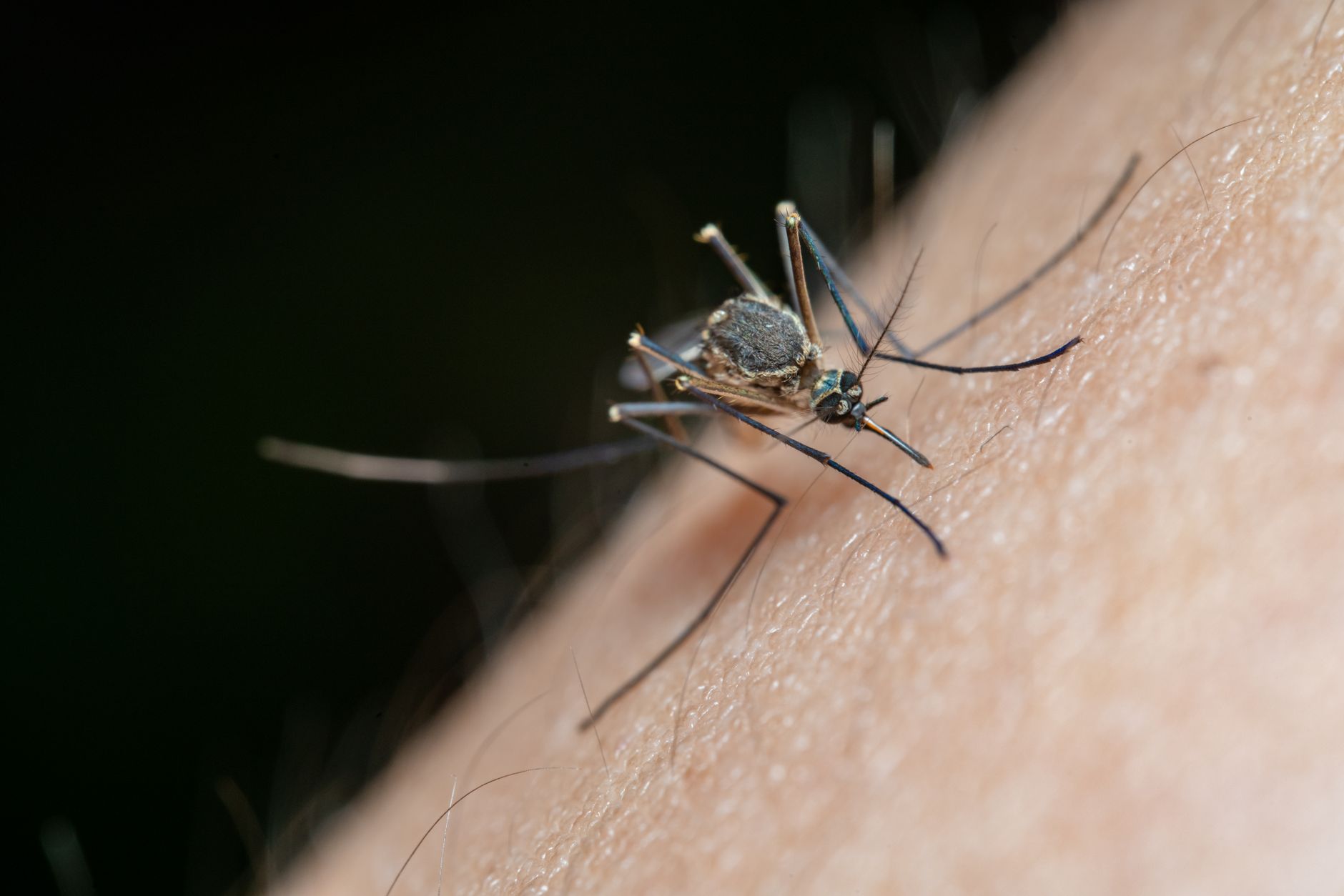
Female mosquitoes bite because they need blood meals to develop their eggs — and humans are an excellent source of food. But why do some people get bitten far more often than others?
Nusha Keyghobadi, a biology professor at Western University who studies mosquitoes, says the insects use multiple cues to find their meals. The biggest ones are body heat and carbon dioxide. Every breath releases carbon dioxide, which mosquitoes use to locate warm-blooded animals. Beyond that, they respond to chemicals the body produces — essentially your odour. Your smell is influenced by genetics, physiology, and potentially what you've eaten recently, making some people more attractive to mosquitoes than others.
Many common mosquito remedies don't hold up to scrutiny. While one study found bananas made some people more attractive to mosquitoes, the effect was weak and inconsistent — some people became more attractive, others less, and for some it made no difference. Garlic, frequently recommended as a mosquito deterrent, showed no significant effect in studies. Vitamin B, touted to reduce mosquito attraction, also lacks good evidence. Beer, however, does have some research behind it — a few studies show that after drinking beer, people can become more attractive to biting mosquitoes.
Physical protection works best. A screened porch or mesh shelter is probably the most effective option. Products that use heat to vaporize synthetic mosquito repellent can be effective, but citronella candles lack strong evidence of effectiveness. Insect repellent spray remains a reliable choice for field work and outdoor activities.
