The 519 at 50: How a building saved from demolition became a queer landmark
The Church Street community centre celebrates five decades of grassroots activism and has served as a cornerstone for 2SLGBTQIA+ organizing and support across Toronto and Canada.
The day's top stories, food & events — every morning at 7. Unsubscribe anytime.
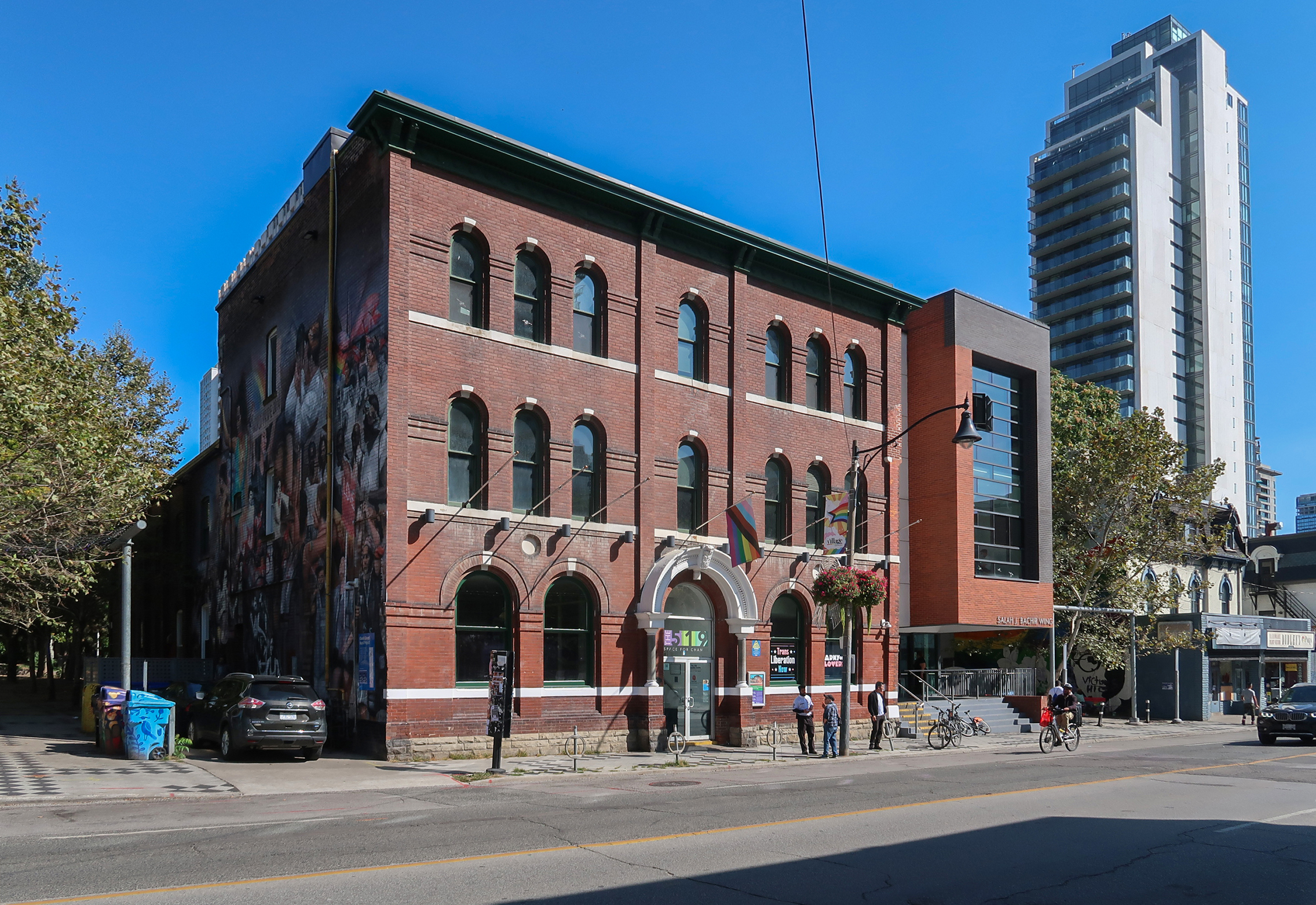
Before it became the heart of Toronto's Queer Village, The 519 was a building destined for demolition.
Fifty years later, the community centre is celebrating a milestone anniversary while reflecting on how a grassroots campaign to save one Church Street building helped shape generations of 2SLGBTQIA+ activism, advocacy and community in Canada.
The 519, located at 519 Church Street in the Church-Wellesley Village, officially opened as The 519 Church Street Community Centre in 1976, becoming Toronto's first community centre governed directly by community members through a volunteer board. The story begins in 1975 when the City of Toronto purchased a formerly condemned building after residents protested against its demolition. "The 519 really was sort of founded in an act of protest, so the building itself was slated for demolition in 1976," explains Roxanne Duncan, project coordinator for the 50th anniversary. "It was the local community that came together and convinced the city not to demo it, but actually to purchase it, and to return it to community use, and make it a community center."
From its earliest days, The 519 became a gathering place for grassroots organizing, social services, and community activism. In 1976, the centre approved space for a Gay youth group at a time when such support remained controversial, helping establish its role as a welcoming space for Toronto's growing LGBTQ+ communities.
Throughout the 1980s and 1990s, the centre was deeply involved in many of the defining moments of Toronto's Queer history. Following the 1981 bathhouse raids, advocacy groups and community organizers used The 519 as a hub for mobilization and resistance. The organization also supported the creation of initiatives such as the Hassle Free Clinic, programs for Black and Caribbean 2SLGBTQIA+ communities, AIDS activism, and campaigns for relationship recognition and equal rights.
Over the decades, The 519 has offered different programming for Queer communities. This includes settlement services for newcomers and refugees, trans-specific programming, support for older adults, anti-violence initiatives, recreation programs, and community leadership development. The centre welcomes about 15,000 unique visitors each year.
Fifty years after residents fought to save the building from demolition, The 519 continues to embody the spirit of grassroots activism that helped create it. While many of the issues facing Toronto's 2SLGBTQIA+ communities have evolved over the past five decades, The 519 remains both a service provider and a hub for community organizing where members come together to respond to contemporary challenges.
