'The biggest risk is playing it safe,' ted witzel on Queer art
Buddies in Bad Times artistic director argues that in an era of anti-Queer rhetoric, authentic art—not commercially softened work—is what 2SLGBTQ+ communities need.
The day's top stories, food & events — every morning at 7. Unsubscribe anytime.
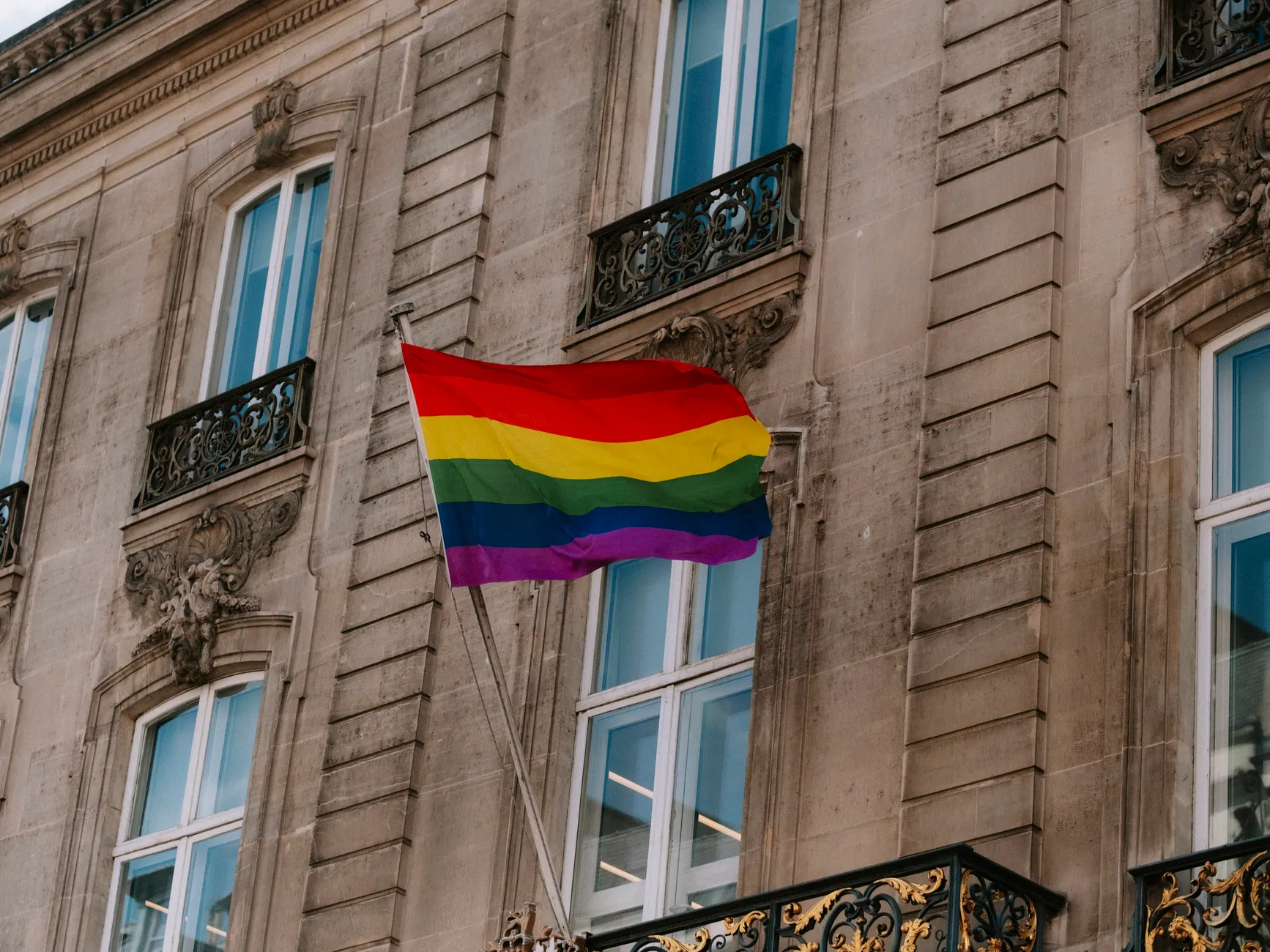
Every Pride Month brings the same familiar script: companies roll out rainbow logos, politicians issue supportive statements, cultural institutions celebrate. But this year feels different. Anti-Queer rhetoric is gaining traction. Transgender rights face renewed political attacks across North America. The conversation has shifted from visibility to survival.
So ted witzel, artistic director of Buddies in Bad Times Theatre—the largest and longest-running 2SLGBTQ+ theatre company in Canada—is asking a harder question: what is the role of Queer art when the stakes are rising?
Art as cultural language
Buddies in Bad Times was founded in 1979 as a nomadic company performing throughout Toronto before landing at its current home at 12 Alexander St. in the Village in 1994. Now, nearly 50 years later, witzel sees the organization's mission as something deeper than entertainment: Queer art, he argues, has always served as a form of cultural language—a way for 2SLGBTQ+ communities to connect, understand themselves, and process their lived experiences.
In a time when many arts organizations are responding to financial pressures by programming safer, more commercially friendly work, witzel believes the greatest risk for Queer artists right now is softening their art to appeal to mainstream audiences. That's the moment the work loses its power.
"The biggest risk is playing it safe," witzel says. "When you're under political pressure, the instinct is to make your work more palatable. But that's exactly when you need to lean in."
Resistance through experimentation
Witzel is encouraging creators to embrace experimentation, authenticity, and ambitious artistic expression. Not as defiance for its own sake, but as necessity. Queer art has always been about pushing boundaries—both aesthetic and political. That tradition matters now more than ever.
The irony isn't lost on him. Pride Month exists because Queer people fought for visibility. Now, in a moment when visibility is under attack, artists face a choice: make work that sells tickets and plays it safe, or make work that actually says something.
Buddies in Bad Times has survived and thrived for nearly half a century by choosing the latter. The theatre has been a space where Queer stories get told with complexity, nuance, and rage—where the community sees itself reflected not as palatable culture-war talking points, but as fully realized human beings.
That work is more important now, witzel argues, than it was during calmer times.
What happens next
As the political climate continues to harden, the pressure on arts institutions will only grow. Some organizations will retreat into safer programming. Some will try to balance commercial appeal with artistic integrity. A few will double down on the work that matters most—the work that speaks to their communities, even when the outside world isn't paying attention.
Witzel isn't interested in the middle ground. Buddies in Bad Times will keep making Queer art that pushes, questions, and refuses to apologize. Not because it's trendy or politically correct, but because it's what the community needs—and because, as witzel points out, playing it safe is the riskiest move of all.
In a moment of rising hostility, authenticity isn't a luxury. It's the foundation.
