Abandoned railway corridor becoming 51-km regional trail
The former Orangeville-Brampton Railway is being transformed into a multi-use trail connecting Mississauga, Brampton, Caledon, and Orangeville over multiple phases.
The day's top stories, food & events — every morning at 7. Unsubscribe anytime.
A long-abandoned railway corridor that once carried trains through Peel Region is getting a new lease on life as a 51-kilometre recreational trail connecting four Ontario communities.
The former Orangeville-Brampton Railway, decommissioned in late 2022, is being transformed into a multi-use trail stretching through Mississauga, Brampton, Caledon, and Orangeville. In 2022, the four municipalities jointly acquired the former corridor with plans to convert it into a public trail network.
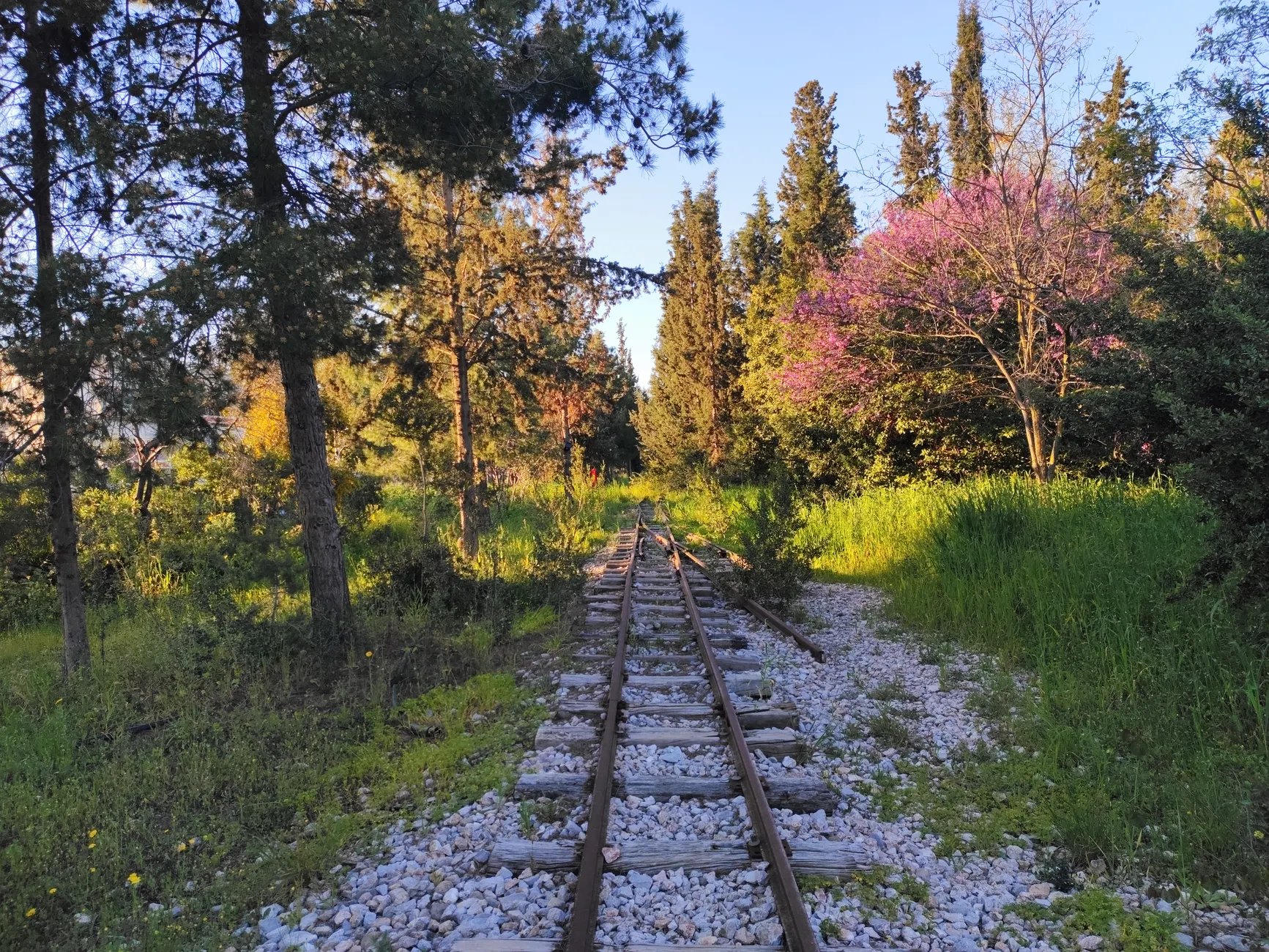
In Brampton alone, the future trail will stretch more than 14 kilometres along the former rail line, which the city purchased for $24.25 million. City officials say the project is designed to create more connected and sustainable public spaces while encouraging walking and biking—a welcome change from the abandoned railway track that currently sits unused.
Coordination between all regions will be key to the project's success. Brampton is currently in Phase 1, focusing on visioning and public outreach. Caledon is playing a major role, overseeing roughly 36 kilometres of the corridor within its boundaries—the largest portion among the municipalities involved. Officials say the project is intended to connect communities across the town and neighbouring areas while supporting tourism, economic development, and outdoor recreation.
The trail could eventually continue north beyond Orangeville toward Owen Sound, creating a larger regional recreation corridor. Caledon is currently in Phase 2, which includes preliminary design work, public consultation, and environmental and safety studies.
Mississauga is moving ahead with its portion, where a 1.15-kilometre section will run from Atwood Lane to the Brampton border across the Credit River. Construction on that section is expected to begin in fall 2026, with the trail planned to open in summer 2027. Once complete, the revitalized route is expected to connect with other trail systems across the region, including parts of the broader Credit Valley Trail network.
