Ontario modernizing e-bike rules to clarify which models need licensing
New classification system would distinguish pedal-assist bikes from mopeds, addressing enforcement gaps and safety concerns.
The day's top stories, food & events — every morning at 7. Unsubscribe anytime.
Ontario's proposed updates to e-bike regulations would create a clearer classification system to distinguish bikes that function like traditional bicycles from those operating more like motor vehicles — addressing years of ambiguity that has left enforcement nearly non-existent.
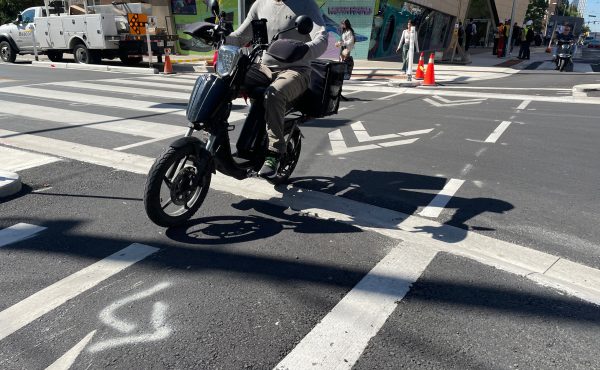
Under current Highway Traffic Act rules, the distinction between e-bikes exempt from motor vehicle regulations and those requiring licensing, insurance, and registration has become too blurred as the range of available models has expanded. Some retailers market anything with an electric motor and two wheels as an exempt e-bike, creating confusion.
The province's proposed framework would place moped- and motorcycle-style e-bikes clearly in the motor vehicle category, requiring licensing and registration. Other e-bikes limited to 32 km/h and 500 watts of motor capacity would fall into new Class 1 or 2 categories, remaining exempt from motor vehicle requirements — a structure similar to those in many U.S. and European jurisdictions.
Parents using cargo e-bikes would benefit from a proposed change allowing children under 16 to ride if the bike is designed for that purpose. Class 2 e-bikes would be permitted to use throttle-only operation, though this remains debated given the physical-exertion requirement traditionally associated with bicycles.
The proposed weight limit of 120 kilograms and 500-watt motor for Class 2 bikes exceeds current cargo e-bike limits, inviting adjustment during the public consultation period, which ends June 7. Food couriers relying on moped-style e-bikes will need careful assessment, with a one-year education and awareness phase-in period planned.
