Teen journalist says social media ban for under-16s won't work as intended
Wyatt Sharpe, 17, warns that many young people will bypass age restrictions using VPNs or false information. Canada's proposed bill mirrors Australia's December 2025 policy.
The day's top stories, food & events — every morning at 7. Unsubscribe anytime.
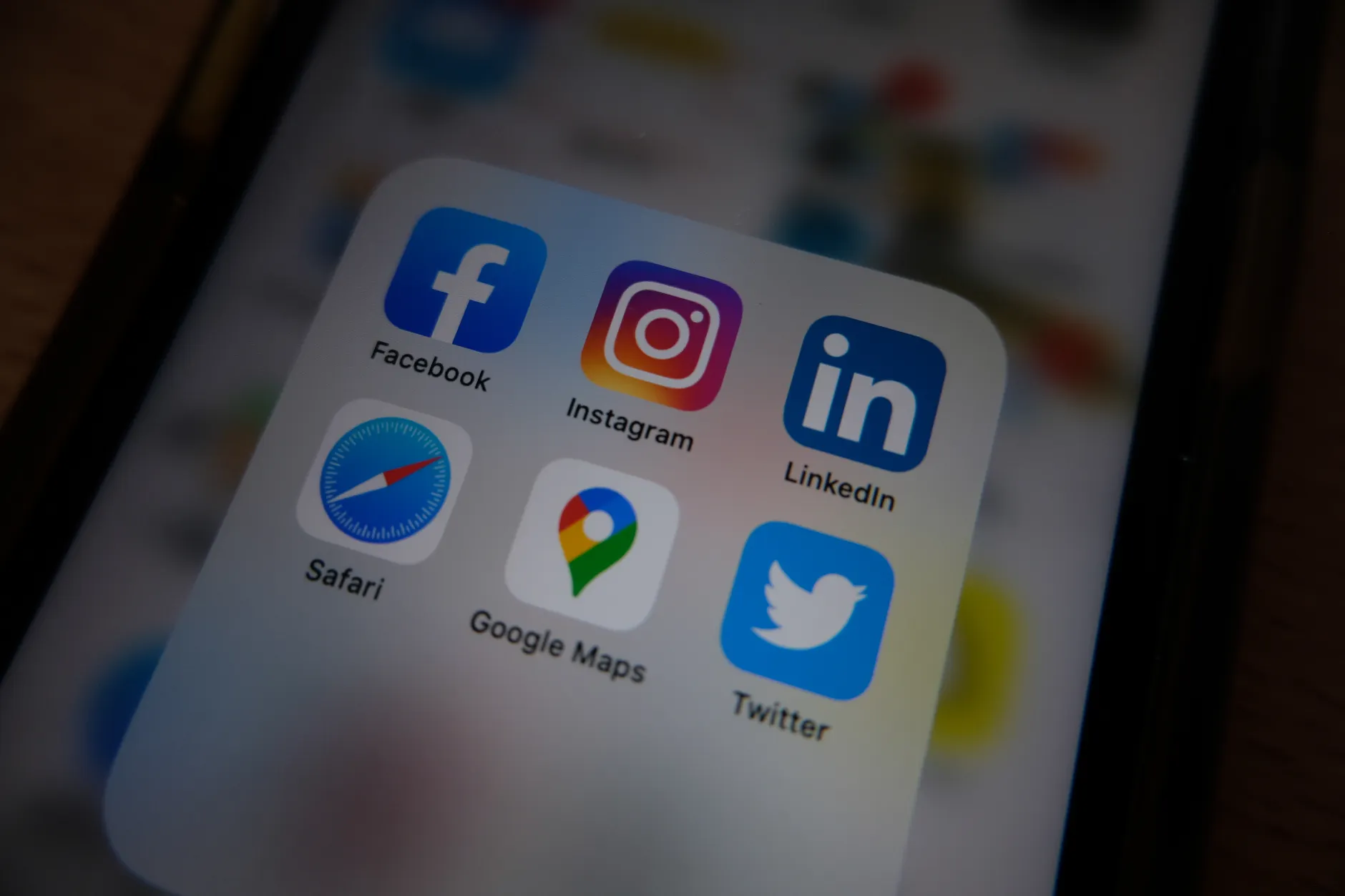
A 17-year-old Ontario journalist is raising concerns about Bill C-34, the Safe Social Media Act, arguing that a blanket ban on social media accounts for youth under 16 could push young people toward less-regulated online spaces.
Wyatt Sharpe, host of the digital program The Sharpe Exchange, says the federal government's proposed legislation — which would prevent anyone under 16 from creating accounts on TikTok, Instagram, X, Facebook, Snapchat, and similar platforms — won't achieve its stated goal of protecting youth.
"A lot of what the government is doing is trying to fill a checkbox, and they're trying to say that they have addressed this issue without doing it in perhaps the way that they should be doing, which is having regulation as opposed to a blanket ban," he said in an interview.
Sharpe supports stronger online safety measures but believes regulation and platform accountability would be more effective. He argues that banning those under 16 from using platforms isn't keeping them away, since many have already found loopholes — including using Virtual Private Networks (VPNs) or simply lying about their age.
Since Australia implemented a similar ban in December 2025, reports have suggested the ban hasn't been successful in keeping children offline, with some finding ways to stay connected.
Sharpe also warned that using VPNs to bypass the ban could push teens into unregulated social media platforms and online spaces, potentially exposing them to greater harm than the mainstream platforms they currently use. If teens set their location to another country via VPN, they then fall under that country's rules — which could be less protective.
He argues policymakers should consult young people before passing legislation that directly affects them.
