Toronto detects first West Nile-positive mosquito batch of 2026
Toronto Public Health confirmed one batch of mosquitoes tested positive for West Nile virus. The city places 22 traps weekly to monitor mosquito activity from mid-June through mid-September.
The day's top stories, food & events — every morning at 7. Unsubscribe anytime.
Update — July 30, 2026: Toronto Public Health has confirmed the first human case of West Nile virus in an adult resident in 2026, following the detection of the first West Nile-positive mosquito batch in July. West Nile is transmitted through bites from infected mosquitoes, with symptoms typically developing between two and 14 days after infection and including fever, headache, nausea, vomiting, body aches, skin rash, swollen lymph glands, and stiff neck.
Toronto has detected its first West Nile-positive mosquitoes of the year, prompting public health officials to remind residents to take precautions while spending time outdoors.
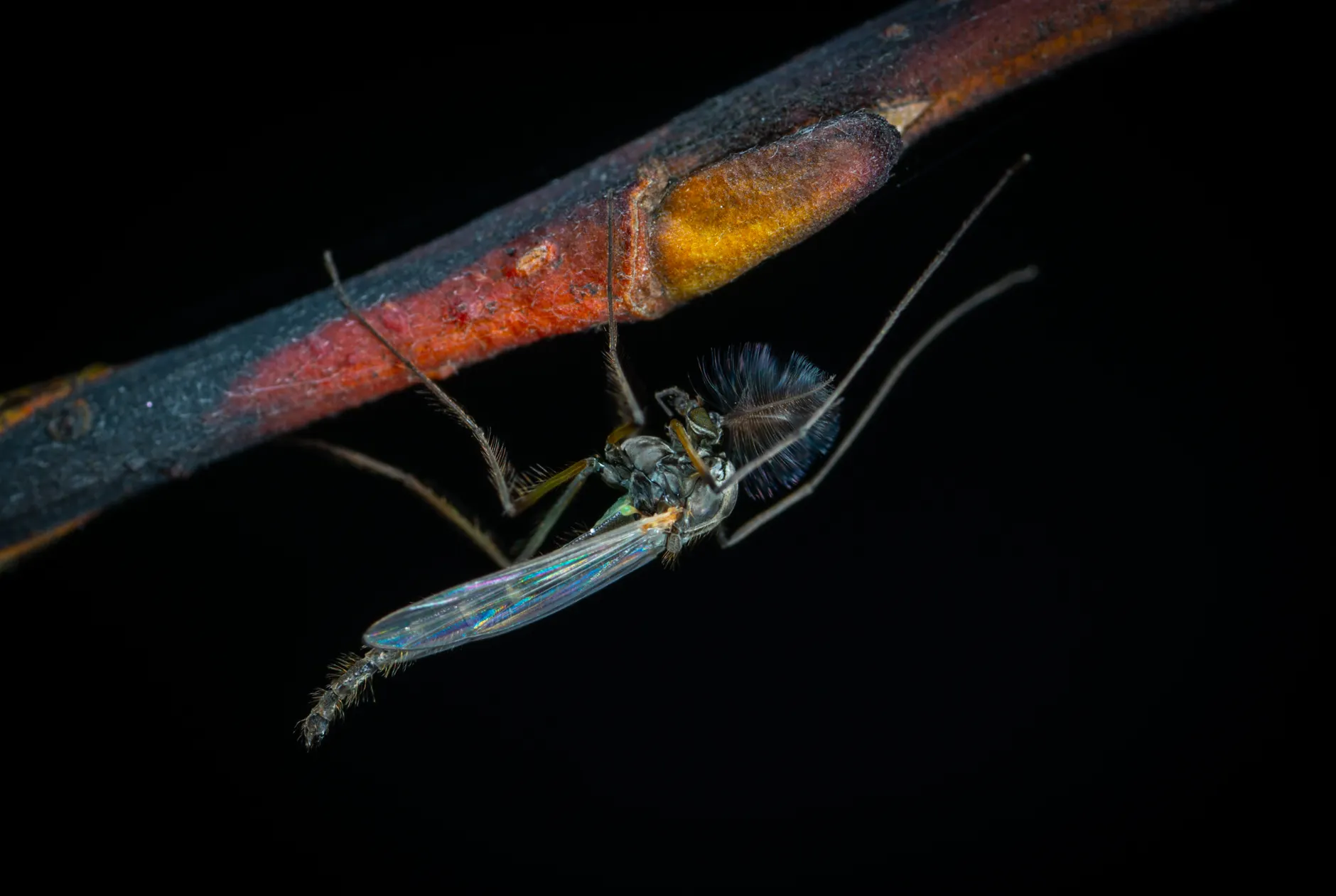
Toronto Public Health confirmed Friday that one batch of mosquitoes collected in the city tested positive for the virus. The finding involves mosquitoes and is not confirmation of a human case. The risk of becoming infected with West Nile virus in Toronto remains low. West Nile virus is mainly transmitted to people through the bite of an infected mosquito, and people are generally most at risk between mid-July and early September, when mosquitoes carrying the virus are most active.
Toronto Public Health conducts mosquito surveillance each year from mid-June until mid-September. Every week, public health officials place 22 mosquito traps across Toronto. The mosquitoes collected from those traps are sent to a laboratory for identification and West Nile virus testing. Toronto's second round of larviciding for 2026 began around the second week of July and is expected to continue until approximately mid-August, primarily targeting Culex mosquitoes, which are the most common carriers of West Nile virus in the Toronto area.
Most people infected with West Nile virus do not become sick. Approximately 70 to 80 per cent of infected people develop no symptoms. When symptoms do occur, they usually develop between two and 14 days after a bite and may include fever, headache, nausea, vomiting, body aches, a skin rash, and swollen lymph glands. Adults aged 50 and older, people with weakened immune systems, and those with certain chronic health conditions face a greater risk of severe illness. Fewer than one per cent of infected people develop serious symptoms affecting the brain or spinal cord. Toronto Public Health recommends wearing light-coloured, long-sleeved shirts and long pants outdoors, particularly around dawn and dusk when mosquitoes are most active, and using a Health Canada-approved insect repellent.
The facts
When did Toronto detect its first West Nile-positive mosquitoes in 2026?
Toronto Public Health confirmed on Friday, July 17, 2026 that one batch of mosquitoes collected in Toronto tested positive for West Nile virus.
How many mosquito traps does Toronto place weekly?
Toronto Public Health places 22 mosquito traps across Toronto each week as part of its annual mosquito surveillance program.
When is Toronto's peak risk period for West Nile virus?
People are generally most at risk of West Nile virus infection in Toronto between mid-July and early September, when mosquitoes carrying the virus are most active.
