Five Years After Kamloops Discovery, First Nations Lead Unmarked Graves Search
Globe investigation reveals how Tk'emlúps te Secwépemc is reclaiming control of investigation into 215 children's remains.
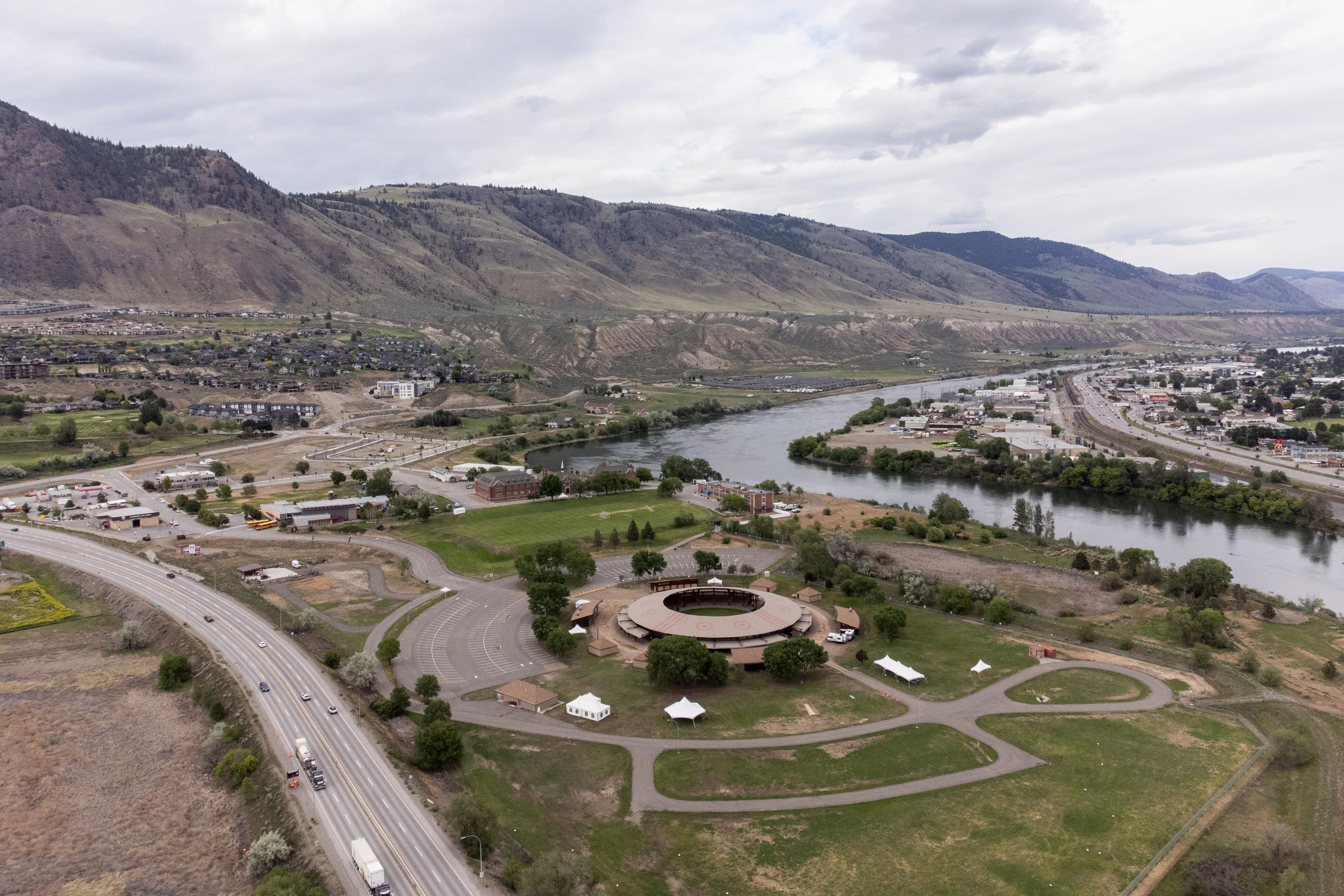
Five years after radar technology located the remains of 215 children at the former Kamloops Indian Residential School in British Columbia, the Tk'emlúps te Secwépemc First Nation is taking control of the search and investigation—a deliberate shift in power from government to community.
A new Globe and Mail investigation, reported by Indigenous Affairs correspondent Willow Fiddler, reveals that the initial 2021 discovery was actually a media leak by a community member posting on social media, not a coordinated public announcement. Tk'emlúps was unprepared for the global attention that followed—what one survivor described as "hell."
Now, the First Nation has established its own investigative team called Le Estcwicwéy̓ ("The Missing") and is following its own timeline and cultural protocols rather than government-imposed deadlines. The group plans to conduct full excavations by 2027, on their own terms.
For Calgary and other Canadian cities, the Kamloops work signals a broader truth: the authority to tell these stories—to investigate, to memorialize, to determine what happened—belongs with the First Nations themselves, not governments or media. Tk'emlúps's decision to slow down, to follow cultural protocols, and to resist external pressure is a model for how reconciliation actually works, even when it frustrates non-Indigenous Canadians expecting faster answers.
The Globe's reporting emphasizes a critical insight: trust isn't rebuilt through imposed timelines. It's rebuilt through autonomy and respect.