Garden Mulch Tips From the Soil Up
Spring is peak season for garden beds. Here's how to mulch properly without harming your plants or breaking your back.
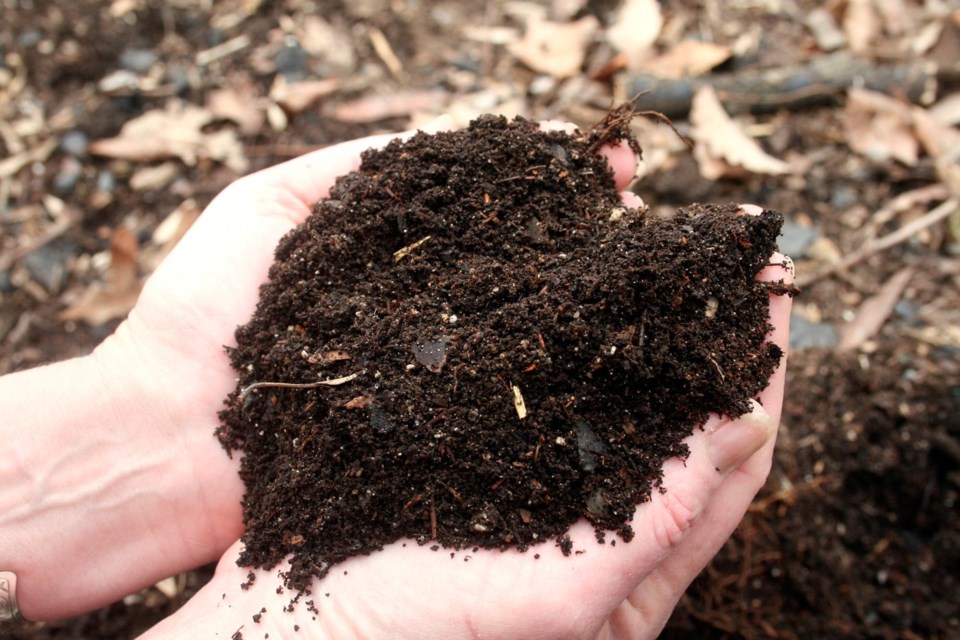
May is when gardeners shift from planning to execution, and mulching is one of those tasks that looks simple until you get it wrong. Proper mulch not only saves you from weeding all summer—it also regulates soil temperature, retains moisture, and gradually breaks down into nutrients. But thickness, material choice, and placement matter far more than most people realize.
The basic principle: mulch should protect the soil and feed it as it decomposes, not smother plants or create a moisture trap that invites rot. Aim for two to four inches of mulch around established plants, tapering to almost nothing near the stem. Too thick, and you risk root rot and pest habitat. Too thin, and you get the weeds you were trying to avoid.
Material choice is where most people make their first mistake. Colored mulch—the bright red or chocolate-brown stuff sold at big-box stores—often contains dyes and doesn't break down as cleanly. Arborist chips (free from tree services) or composted bark work better. You're looking for something that will actually decompose and feed the soil rather than just sit there looking neat for a season.
Compost made from green kitchen scraps and yard waste is ideal as a base layer, though some gardeners worry it'll introduce weeds. Done right, with finished compost (fully decomposed), that risk is minimal. Layer it under your mulch, and you'll see the difference in plant vigor by mid-July. Your bed will look neater now and will thank you come August when everyone else is watering constantly.