Facility dogs bring comfort to children's hospitals
A growing number of children's hospitals across North America are deploying specially trained facility dogs to ease patient anxiety, reduce pain, and provide emotional support during treatment.
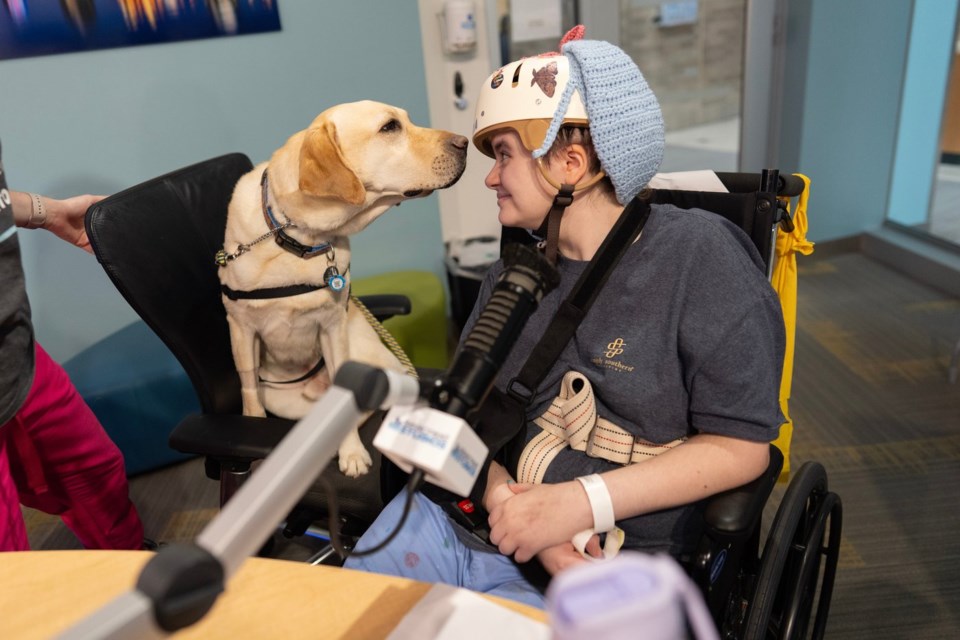
Five-year-old Calvin Owens stood near his wheelchair on a hospital patio for the first time in more than a month, tossing a ball to his canine friend Hadley. Despite being tethered to medical equipment with wires and tubes, he managed the effort repeatedly. When she fetched it back, caregivers cheered his small victory.
Hadley is no ordinary therapy dog. She's a full-time facility dog at Cincinnati Children's Hospital — specially trained to provide emotional support during stressful procedures, motivate kids to move, and make hospitals feel less frightening. Research shows even brief interactions with facility dogs improve children's overall well-being, decrease perceived pain, and reduce stress markers like cortisol levels and blood pressure.
Hospitals including Mount Sinai Kravis in New York, Norton Children's in Louisville, and St. Louis Children's have long deployed facility dogs. The trend is accelerating: attendance at the annual Facility Dog Summit nearly doubled from 2024 to 2025. In March, Johns Hopkins Children's Center in Maryland introduced its first two facility dogs. One large nonprofit, Canine Assistants in Georgia, has placed more than 80 dogs in children's hospitals nationally.
Hospitals typically source dogs from nonprofits like Canine Companions, which breed, raise, and train them before pairing them with staff members. While the organization retains ownership, hospitals cover food and veterinary care costs — expenses that can be substantial given most facility dogs are larger breeds like Labradors or golden retrievers. Many hospitals fundraise or seek grants to manage these costs.
The benefits extend beyond individual patients. Facility dogs become part of the hospital's culture — they appear on closed-circuit TV, receive trading cards from kids, and get mail replies in hospital mailboxes. For siblings visiting hospitalized family members and families managing long-term illness, the presence of a calm, affectionate animal provides grounding comfort that no protocol can replicate.