Last-Mile Robots Are Coming to Vancouver's Sidewalks
City approves delivery robot pilot; autonomous couriers could soon weave through pedestrians and patios across neighborhoods.
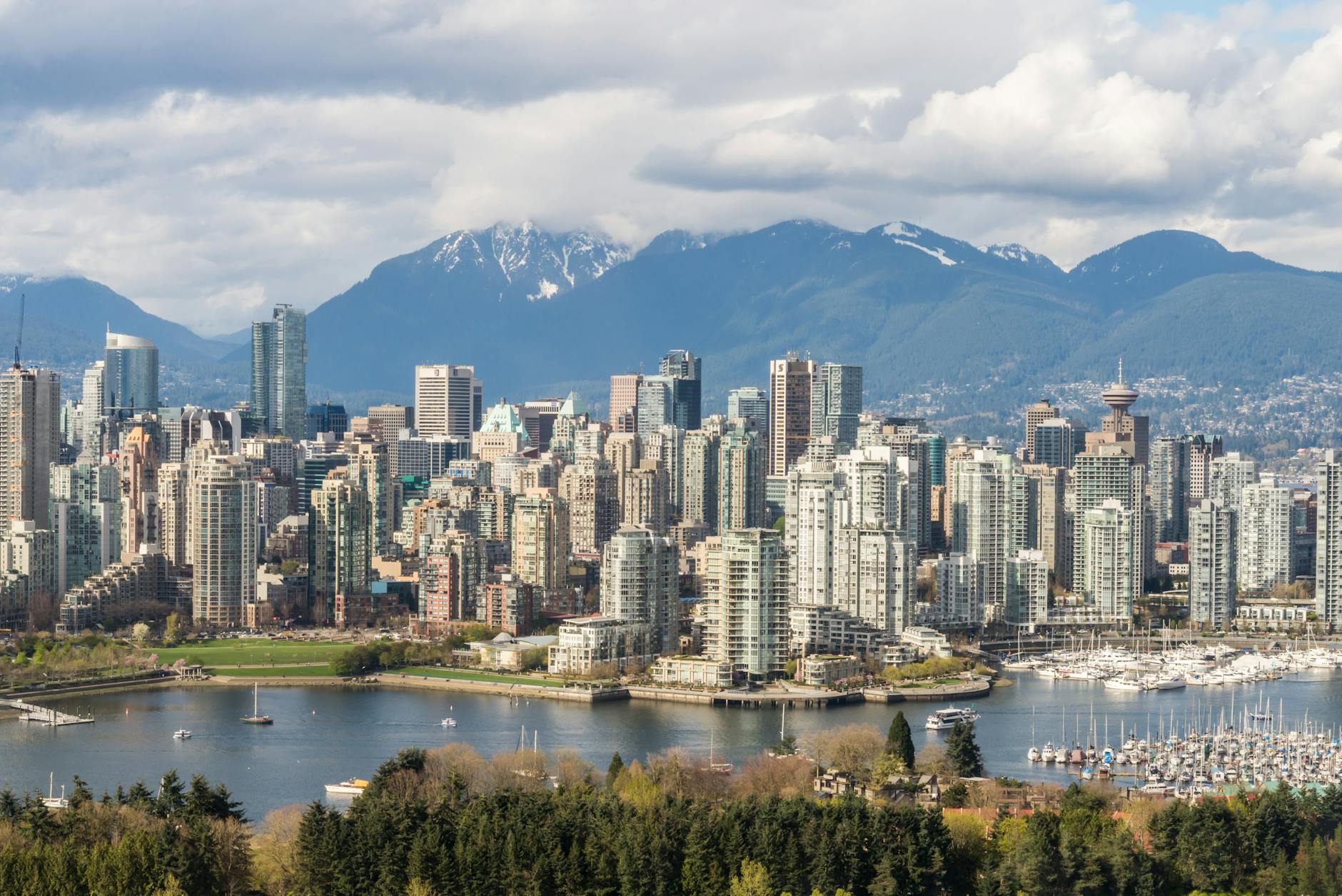
Picture this: a small cube-shaped robot carefully navigating a crowded sidewalk on a Tuesday afternoon, dodging patio tables at a neighborhood café, threading between cyclists, swerving around a parent pushing a stroller, and sidling past a utility pole. It sounds like a near-future scenario from a tech conference keynote, but Vancouver just took a step toward making it real.
City council has given approval for a pilot program involving autonomous delivery robots—those small, wheeled vehicles designed to carry packages over short distances. The logistics are being tested and refined by several companies trying to solve what industry people call "last-mile delivery," the notoriously expensive final leg of getting packages from warehouses to actual doorsteps.
These robots aren't drones. They're ground-based, human-scale (roughly knee-height), and designed to operate in mixed pedestrian environments. They'll have sensors, cameras, and navigation systems that (theoretically) allow them to avoid obstacles and respond to unexpected situations. The appeal is obvious: cheaper than human couriers, available 24/7, and able to operate in weather conditions that make traditional delivery challenging.
But there's real friction building. Pedestrians worry about congestion—what happens when three of these robots converge on a busy corner? Accessibility advocates raise questions: how do blind or visually impaired pedestrians navigate around them? Business owners question whether the robots will damage storefronts or knock over merchandise outside shops. The pilot will attempt to answer some of these questions through real-world testing, but the fundamental tension remains: adding more actors to already-crowded public space requires careful choreography.
Vancouver's enthusiasm for the pilot reflects the city's startup-friendly reputation and its orientation toward tech solutions. But it also reflects a broader bet that cities can and should absorb new technologies, that we'll figure out the social and accessibility implications along the way. The robots start small—specific neighborhoods, specific routes, specific hours. But pilots have a way of expanding. In six months, if the program seems to work, there'll be pressure to expand to other neighborhoods, longer hours, more robots. That's when the real negotiation about urban space begins.
For now, watch for these little couriers appearing in pilot zones. They're coming whether we're ready or not, and Vancouver's decided to welcome them in. Whether the rest of the city agrees is another question entirely.