Spring Allergies Worsening as Pollen Levels Surge Across Canada
Experts warn that rising pollen counts are making seasonal allergies worse for millions of Canadians; climate change is a likely culprit.
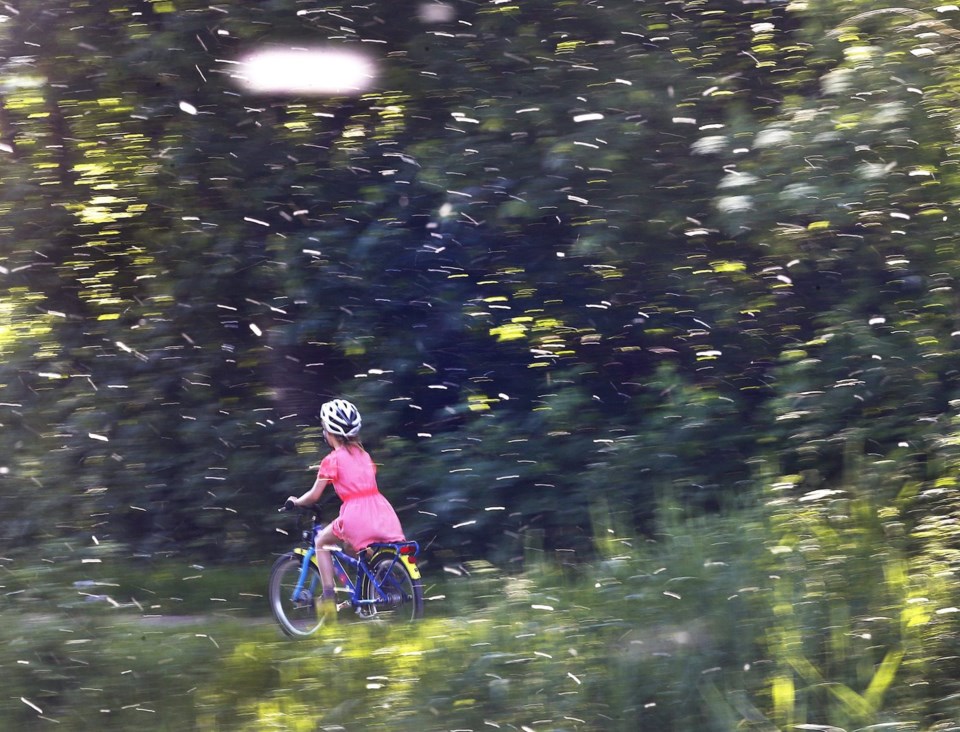
If your sinuses have been working overtime this spring, you're not alone. Canadian researchers have documented a significant increase in pollen levels across the country in recent years, and the trend shows no signs of slowing down. The result is longer allergy seasons and more intense symptoms for people who suffer from hay fever, hives, and other pollen-related allergies.
The rise in pollen isn't random. Scientists point to climate change as a primary driver—warmer temperatures extend growing seasons, allow plants to produce more pollen, and shift the timing of allergen release. Trees that once released pollen in April now start in March. Ragweed, a major culprit for fall allergies, is thriving in conditions that would have stressed it a decade ago.
For Vancouver residents, the implications are immediate. The Lower Mainland's temperate climate and wet springs create ideal conditions for mold spores and tree pollen. People with existing allergies are reporting longer symptom periods and needing stronger medications. Those who've never had significant allergies are developing them.
Experts recommend starting allergy medication before symptoms begin, using air filters in homes, and checking daily pollen forecasts before outdoor activities. If you've noticed your allergies getting worse year over year, the science confirms you're not imagining it. The world's pollen count is rising, and managing seasonal allergies is becoming a bigger part of spring for most people.