Industrial past hidden beneath Carburn Park's tranquil riverside pathways
The 130-hectare green space along the Bow River was once part of Senator Patrick Burns' sprawling ranch and later a gravel pit before becoming a haven for birdwatchers and nature seekers.
The day's top stories, food & events — every morning at 7. Unsubscribe anytime.
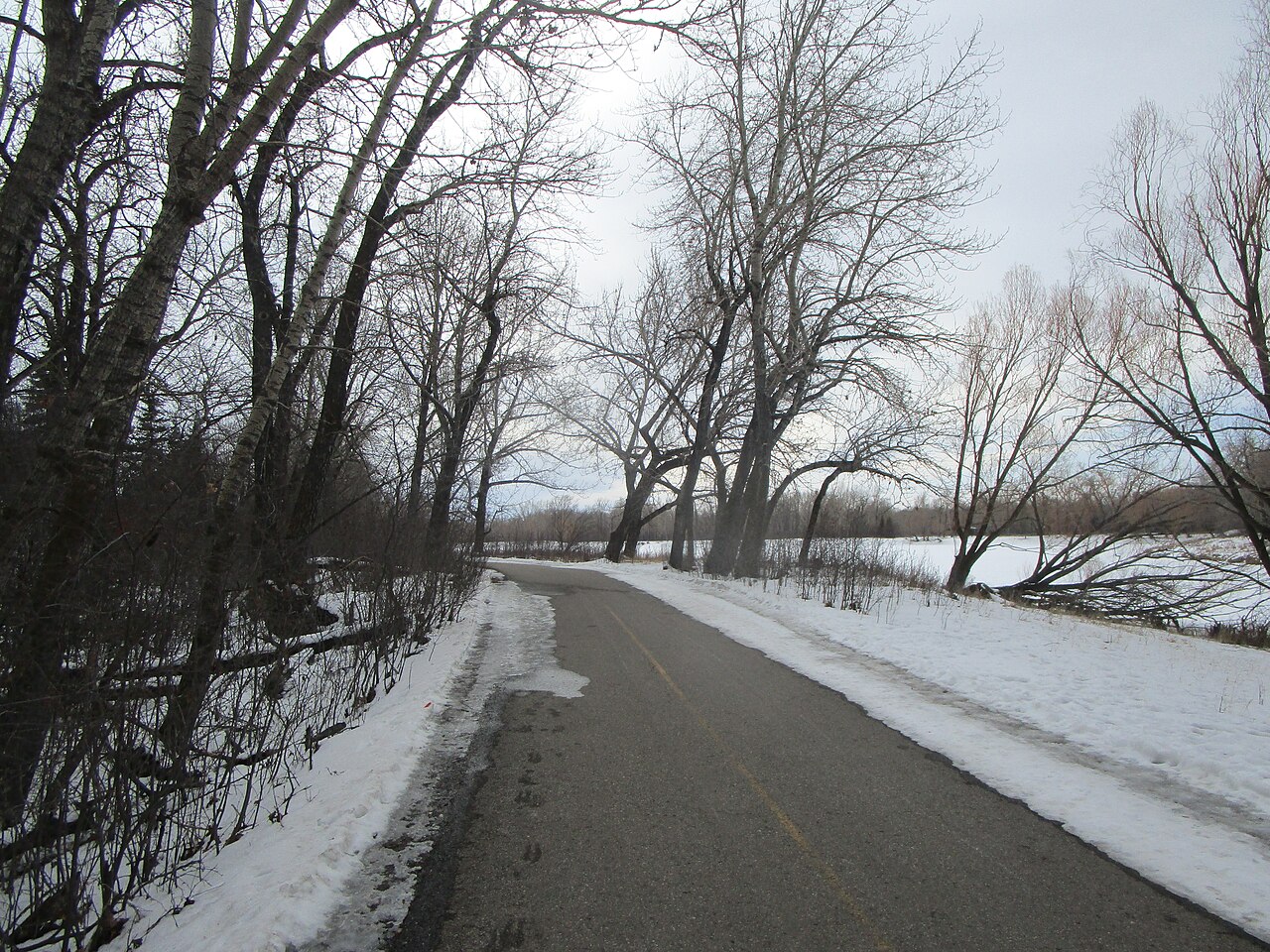
While Carburn Park is now known for its quiet ponds, riverside pathways, and wildlife, the 130-hectare green space carries a surprising industrial past.
The land was originally part of Senator Patrick Burns' vast ranching empire. Burns was an influential figure in Calgary's history, building one of western Canada's largest cattle operations and meatpacking companies and becoming a prominent senator. He was one of the iconic "Big Four" ranchers who helped launch the Calgary Stampede in 1912. What is now the park was just a small portion of his property across Alberta.
Over time, the area took on new uses. It was even proposed as the site for a railway line meant to connect Calgary and Montana, though the railway was never constructed. After Burns died in 1937, the land sat largely unused for decades.
The transformation into parkland came in the 1970s, thanks to Carburn Aggregates, a company that mined gravel from the area. The mining operation left behind a series of pits that later became the defining feature of the modern park: peaceful ponds that now attract birdwatchers and visitors seeking quiet outdoor space. Today, the park spans more than 130 hectares along the Bow River, offering wetlands, picnic areas, and habitat for diverse wildlife.
Carburn Park isn't alone among Calgary's green spaces in bearing ranching heritage. Riley Park was once part of the Cochrane Ranch, which sprawled across more than 100,000 acres. These parks remind visitors of the region's cattle-ranching roots now hidden beneath urban development and recreation.
At a glance
What was Carburn Park before it became a park?
Carburn Park was originally part of Senator Patrick Burns' ranching empire, and later became a gravel mining site operated by Carburn Aggregates in the 1970s. The mining pits left behind were converted into the ponds that define the modern park.
Who was Patrick Burns?
Patrick Burns was a senator and one of Calgary's most influential figures, building one of western Canada's largest cattle operations and meatpacking companies. He was one of the iconic "Big Four" ranchers who helped launch the Calgary Stampede in 1912.
