Blackfoot filmmaker Trevor Solway's documentary debuts on National Film Board
Siksikakowan: The Blackfoot Man spent four years in production and won a Directors Guild of Canada award at Hot Docs.
The day's top stories, food & events — every morning at 7. Unsubscribe anytime.
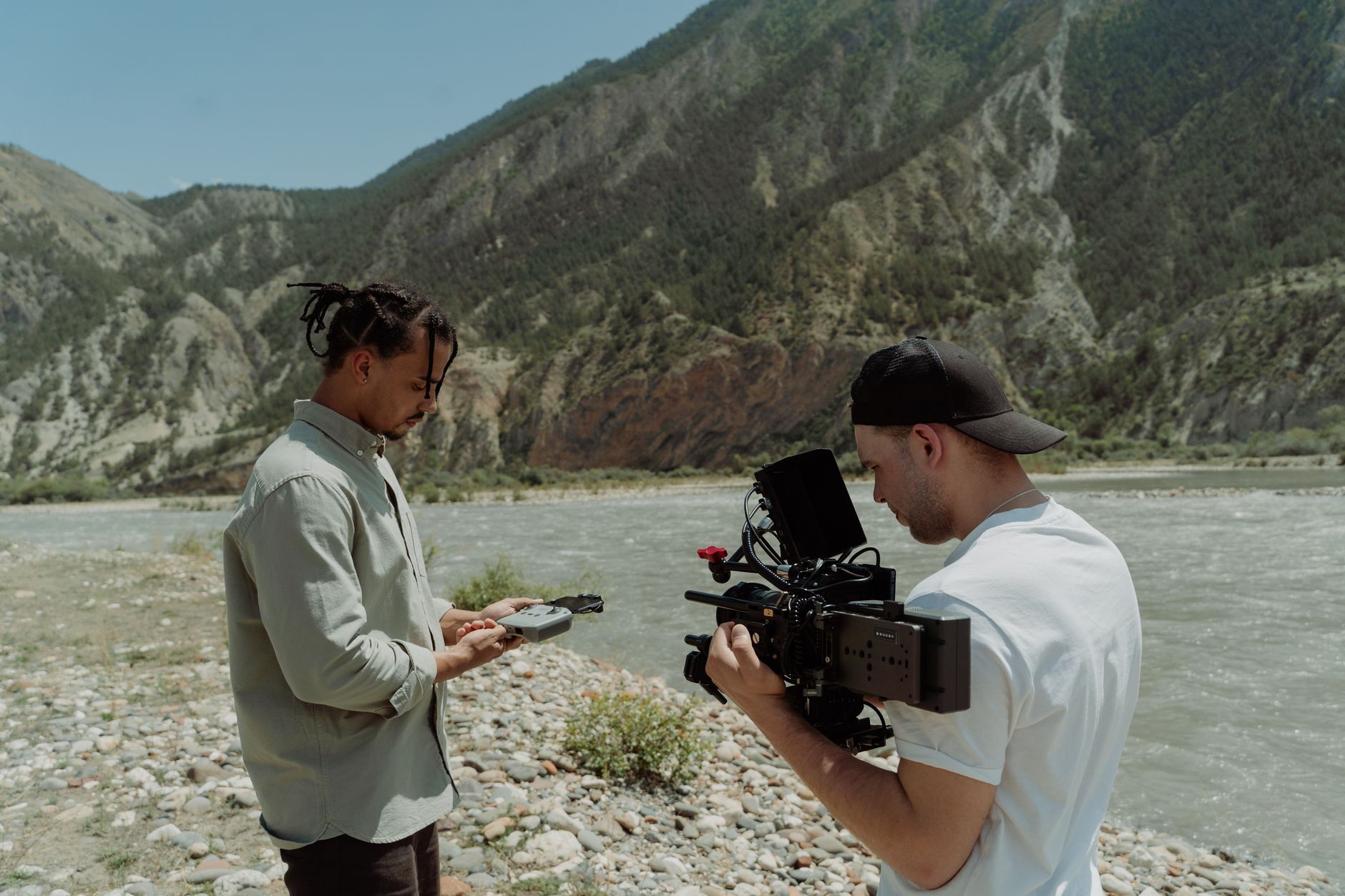
Trevor Solway spent four years with a camera in the trunk of his car, visiting his home community of Siksika to film the everyday lives of men and boys on the nation, just an hour's drive east of Calgary.
The result is Siksikakowan: The Blackfoot Man, a cinema-verite documentary that avoids talking-head interviews and voice-over narration in favour of unscripted observation. Solway, who is Blackfoot, was often a fly on the wall—director, cinematographer, and sound recordist all at once. His familiarity with the community meant subjects occasionally acknowledged his presence. In one scene, his nephew stops filming to ask for help with frog CPR.
"I wanted it to feel like you are a part of the community and you are a part of that inner circle," Solway said. The documentary premiered at Hot Docs Canadian International Film Festival in Toronto in 2025 and earned him the Jean-Marc Vallee DGC Discovery Award from the Directors Guild of Canada. It's now available free on the National Film Board's platforms.
More than 20 men and boys appear in the film—rodeo riders, hockey players, boxers, young fathers, powwow dancers, DJs, hip-hop artists, two-spirited community members, mentors, and coaches. Scenes range from mini dirt bike races to elders teaching boys to tame horses.
Solway deliberately avoided projecting a "hero's arc" or single lesson. "When you try to distil a real-life person or event down to one lesson or character arc, it does a real disservice to who they are as a human being," he said. "When you just show human beings having a human experience, that's when compassion is allowed to grow."
The film travelled beyond Canada, screening at the Maoriland Film Festival in New Zealand and the Skabmagovat Indigenous Peoples' Film Festival in Finland. Audiences were moved—the Sami people asked Solway to make a similar film about their community. In North Battleford, a shy boy thanked him for representing Indigenous people on the big screen.
