Calgary issues fire advisory as unseasonably warm, dry November leaves Alberta vegetation primed to burn
City of Calgary advisory issued Nov. 10 alongside Stage Four water restrictions; Edmonton has received 58 per cent of its normal fall precipitation, Calgary 67 per cent.
The day's top stories, food & events — every morning at 7. Unsubscribe anytime.
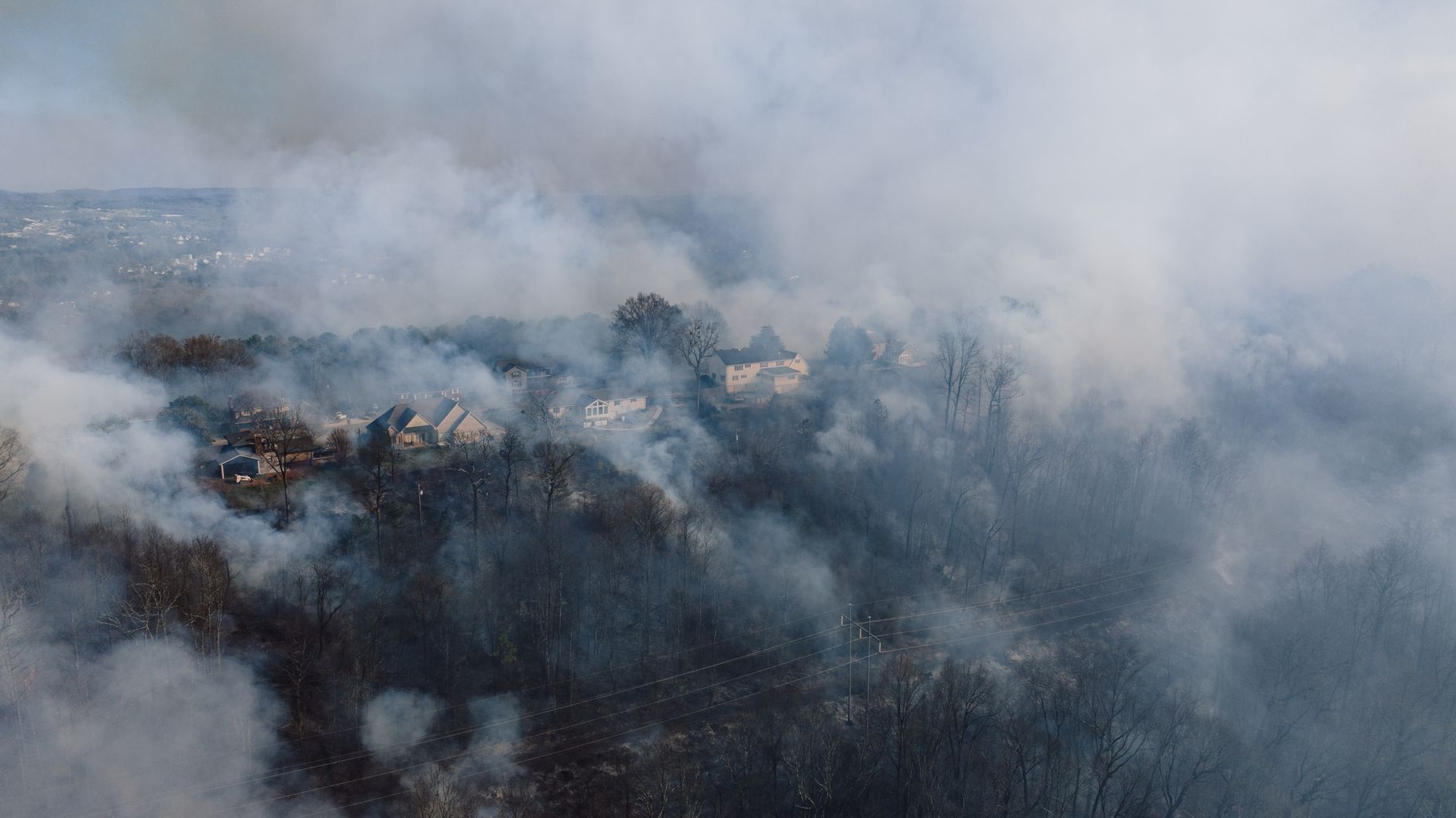
The City of Calgary issued a fire advisory Nov. 10, alongside Stage Four water restrictions. An advisory signals moderate risk and asks residents to take extra precautions, such as postponing campfires or barbecues; no additional fire restrictions or bans accompanied it.
Edmonton has received 58 per cent of its normal fall precipitation and Calgary 67 per cent. Grande Prairie had significant moisture in early October and little since. Alberta Wildfire rated wildfire danger in the Calgary Forest Area as moderate in its Nov. 12, 2025 bulletin, saying mild temperatures and dry conditions kept danger elevated, especially where recent moisture has been absent.
Alex Kwan, a public information officer with the Calgary Fire Department, said improperly discarded smoking material is a common cause of grass fires. "As we look at the dry conditions, a common cause of grass fires is improper disposal of smoking material," Kwan said. "So that's where people are smoking in their vehicles and throw a cigarette butt out their window, that blows into the grass. The conditions are unfortunately very prime for that type of fire to spread."
For backyard fires, Kwan said residents should keep a hose or bucket of water within reach and fully extinguish the fire, as they would in summer, with no smouldering embers left behind. "Having that hose that's readily available, bucket of water, something that's going to completely extinguish it," Kwan said.
The World Meteorological Organization says an El Niño event was firmly established by Sept. 3, 2026, with near-certainty of persisting through February 2027, and is expected to intensify toward the end of 2026. The WMO says El Niño is a natural phenomenon and not caused by climate change. Tiffany Lizee, a Global News meteorologist, noted the last Super El Niño, in the winter of 2015/2016, was followed by the Fort McMurray wildfire in May 2016. Super El Niño winters typically bring a dry, warm winter to Alberta.
Is the Calgary fire advisory still in effect, or has it been lifted?
What is the wildfire count or area burned so far this season across Alberta?
We'll update this story as answers emerge.
