Canada's Journalism Program Closes Amid Education Shift
Vancouver's Langara College ends hands-on two-year journalism program, marking another milestone in changing media education.
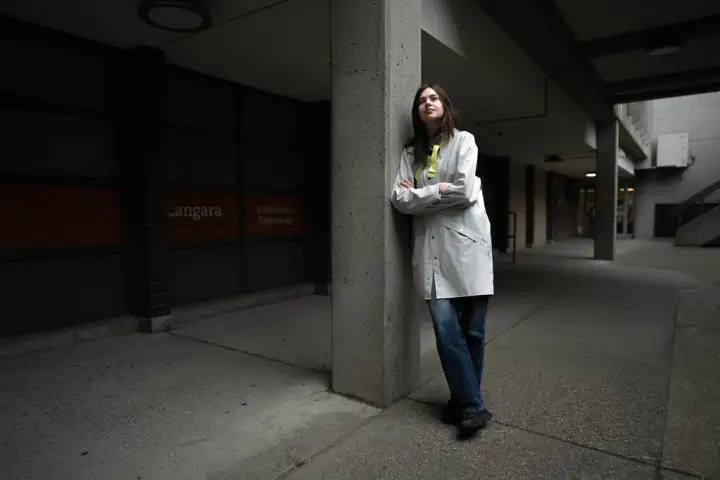
Vancouver's Langara College is closing its two-year journalism program, and the decision sends ripples across Canadian media education. For students like Oksana Shtohryn, who chose the program specifically for its hands-on approach and quicker path than traditional four-year degrees, the closure represents a broader reckoning about how journalism training fits into a changing industry.
The program was known for moving students quickly from classroom to newsroom, emphasizing practical skills over theory. That model appealed to career-changers and those ready to enter the field without a four-year investment. But declining enrollment and shifting industry demands have made smaller, specialized programs harder to sustain.
Across Canada, journalism education has contracted significantly over the past decade. University programs have consolidated, enrollment has dropped, and the question of how to fund hands-on training in an industry struggling with its own economics has become unsolvable for many institutions.
Langara's closure is one data point in a larger pattern: Canadian journalism is producing fewer trained entry-level reporters. That shortage eventually creates capacity problems for newsrooms trying to cover their cities and regions. The long-term effect isn't yet visible, but the pipeline is thinning.
For prospective students, it's a reminder that media education is increasingly concentrated in major university centers, leaving fewer accessible pathways into the profession.