Hollywood's #MeToo Reckoning Lost Momentum, Blanchett Says
At Cannes, acclaimed actor Cate Blanchett reflected on how quickly the industry movement stalled and what it cost the broader conversation.
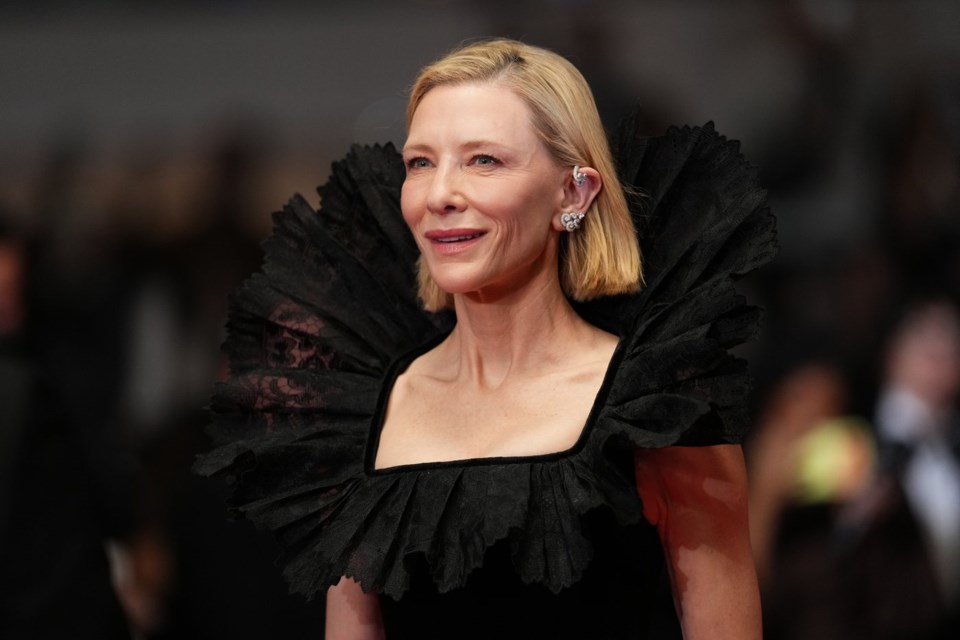
Cate Blanchett, speaking at the Cannes Film Festival this weekend, didn't mince words about the #MeToo movement's trajectory in Hollywood: it got killed very quickly. The Australian actor was reflecting on how a moment of reckoning that felt seismic in 2017 and 2018 lost its momentum and faded into institutional amnesia within a few years.
Blanchett's observation lands in a specific context. By 2026, several high-profile cases have resolved, some offenders have disappeared from public view, and the broader industry has largely moved on. The structural changes that activists hoped would reshape power dynamics in film—better reporting mechanisms, more women in leadership, genuine accountability—have been piecemeal and incomplete. Some studios have made gestures. Progress exists. But the urgency evaporated.
What Blanchett is pointing to is a pattern visible across industries and countries, including Canada: movements that start with collective moral clarity can lose force when they collide with institutional inertia and media fatigue. The story stopped being front-page news, which meant it stopped being something studios had to visibly address. Survivors' accounts became less urgent. Perpetrators became less visible, but not necessarily less powerful.
For filmmakers and audiences, the question is whether another reckoning moment is coming—or whether the industry has successfully absorbed just enough change to feel progressive without fundamentally shifting.