Death exhibition at Royal Alberta Museum sparks intergenerational conversations
"Death: Life's Greatest Mystery" invites visitors to explore how cultures commemorate the dead, transforming a somber topic into a space for family dialogue.
The day's top stories, food & events — every morning at 7. Unsubscribe anytime.
In a corner of the Royal Alberta Museum, two chalkboards capture raw thoughts on death—some whimsical, some reverent, all revealing how a community grapples with mortality.
One scribbler wants to come back as a grilled cheese sandwich. Several hope the Edmonton Oilers win the Stanley Cup before they breathe their last. Others want to reunite with beloved dead dogs and cats or haunt their loved ones. The exhibit "Death: Life's Greatest Mystery" tells that story: death is rarely as taboo as we think.
Meaghan Patterson, the museum's executive director, witnessed the shift firsthand. "There's been lots of intergenerational conversations that we happen upon when we come into the exhibit room," Patterson said. "Kids are asking questions of their parents or grandparents. Friends or family members are reflecting, asking each other those questions and getting a deeper understanding of each other."
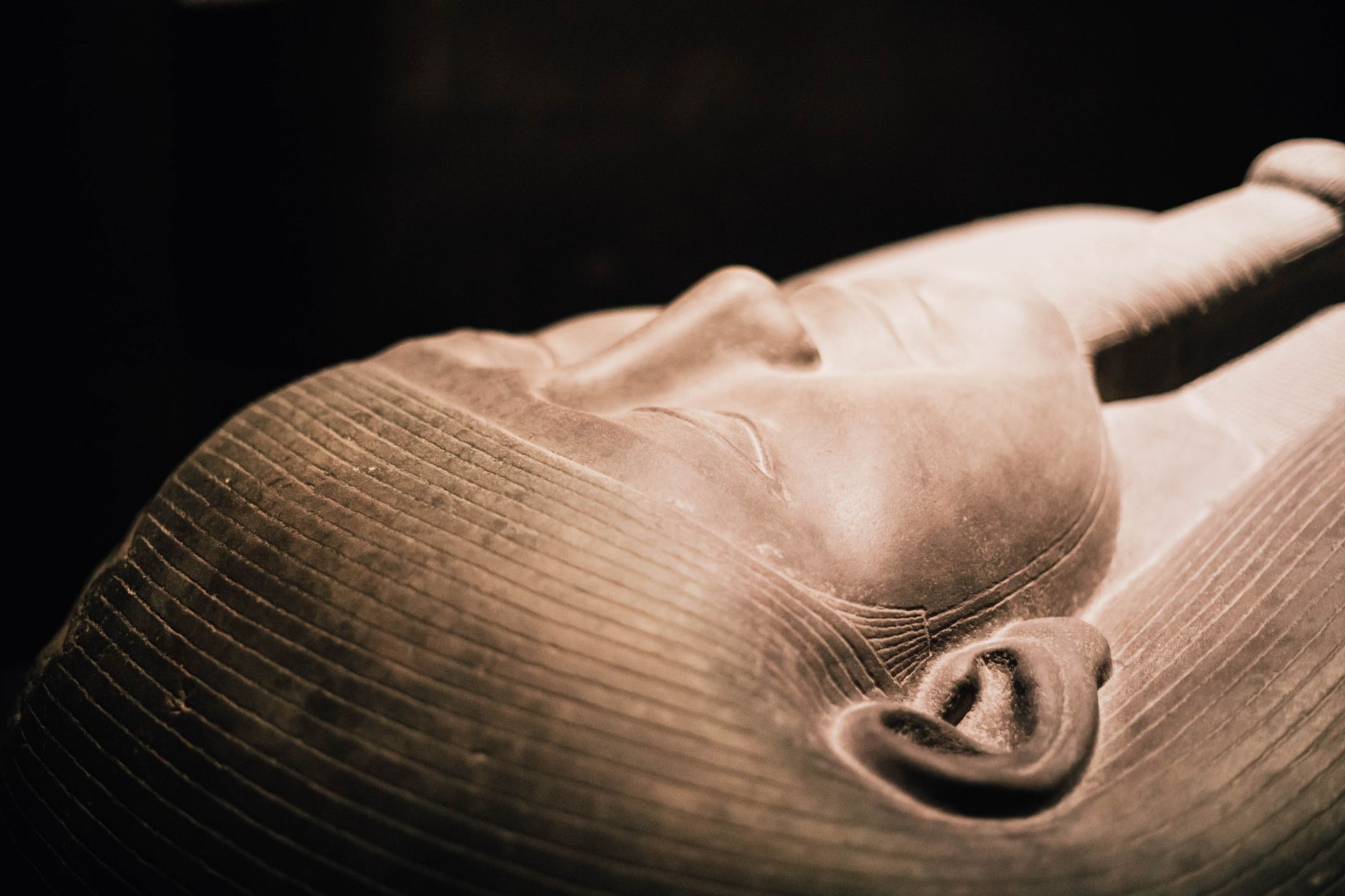
The exhibit begins in a darkened room with black walls and sombre instrumental music. Ravens hang from the ceiling, and "Death is everywhere" appears in Gothic font. Displays describe how the Wataita tribe in Kenya placed goat skulls in shrines for relatives enslaved and taken from their homes. The Inca sacrificed children to bring balance to the universe. But as visitors move deeper, black ravens turn white, walls lighten, and bulbs brighten.
Displays explain how the death of a whale gives life to entire ecosystems—other species feed on the mammal's carcass for years. Different cultures' rituals are showcased: Muslims prepare feasts for loved ones of the deceased; in Judaism, burial societies are highly respected for serving those who have passed. In Ghana, coffins are decorated to reflect people's identities. Mexicans display intricate shrines at home. A nearby banner reads: "Death has nothing to do with going away. The sun sets and the moon sets, but they're not gone."
One display notes that even animals grieve: elephants place tree branches and plants on carcasses they encounter; gorillas become visibly upset after losing a fellow primate. Another reveals that immortal Roman gods and goddesses viewed their inability to die as a curse.
Jaap Hoogstraten, head of exhibits at Chicago's Field Museum—where this exhibit originated—developed the concept a decade ago. "It started with witnessing my father's passing, being in the room, thinking, 'What is death?'" Hoogstraten said. "Then I had to think what to do with his remains because he was an atheist and did not want ceremony."
The central challenge was making death accessible to children—a goal Hoogstraten believes the exhibit achieves.
