Fort Sask celebrates Asian Heritage Month with art, food, dialogue
The Fort Saskatchewan Multicultural Association hosted four events in May, drawing over 150 residents to learn about Asian Canadian history and culture.
The day's top stories, food & events — every morning at 7. Unsubscribe anytime.
Fort Saskatchewan residents gathered across May for a series of cultural events exploring Asian Canadian heritage and history. The Fort Saskatchewan Multicultural Association (FSMA) organized four occasions — the first time the organization has offered this scale of programming.
The month opened May 9 with a community roundtable on multiculturalism, racism, and belonging in Canada, led by Parita Desai at West Rivers Edge. The discussion gave residents space to reflect on systemic barriers and lived experiences shaping Asian Canadian communities today.
On May 15, an evening of art at Dow Centennial Centre's Lions Pride Room drew nearly 35 participants. Artist Willie Wong led attendees through foundational drawing and painting techniques while discussing the cultural significance of Asian art traditions. The hands-on session created what organizers called "an inspiring and welcoming environment where creativity and cultural expression came together."
May 29 brought a culinary and cultural learning session at Fort Alliance Church focused on South Asian traditions. Participants learned to prepare Paneer, grounding cultural understanding in food — a tactic that resonated with the community.
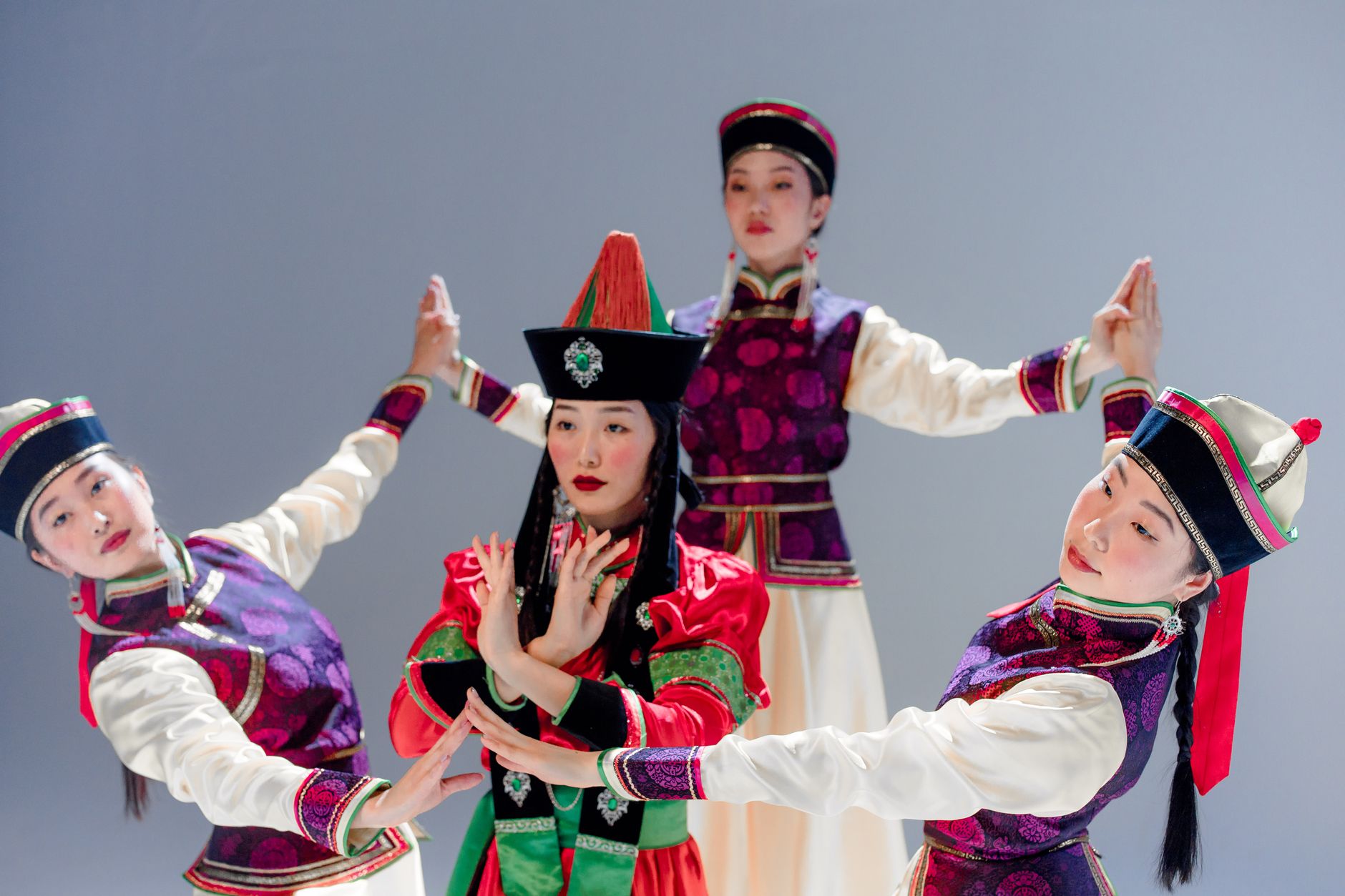
The month concluded May 31 with a closing ceremony at the Normandy Room that drew over 150 people from diverse backgrounds, despite rain. Performances showcased Asian cultural richness; a keynote speaker shared lived experiences of Asian Canadians; and organizers presented insights into Asian history in Canada.
FSMA Executive Director Lana Santana called the turnout "a tremendous success" and "meaningful progress toward building a more inclusive and welcoming society." This year's theme — "Honouring Asian Canadians: Stories that Built Canada" — highlighted contributions often made while facing exclusion and systemic barriers.
