WILDNorth warns against rescuing baby animals this season
The rehabilitation centre receives four times more animals than a decade ago. Most arrive because well-meaning people separate them from parents.
The day's top stories, food & events — every morning at 7. Unsubscribe anytime.
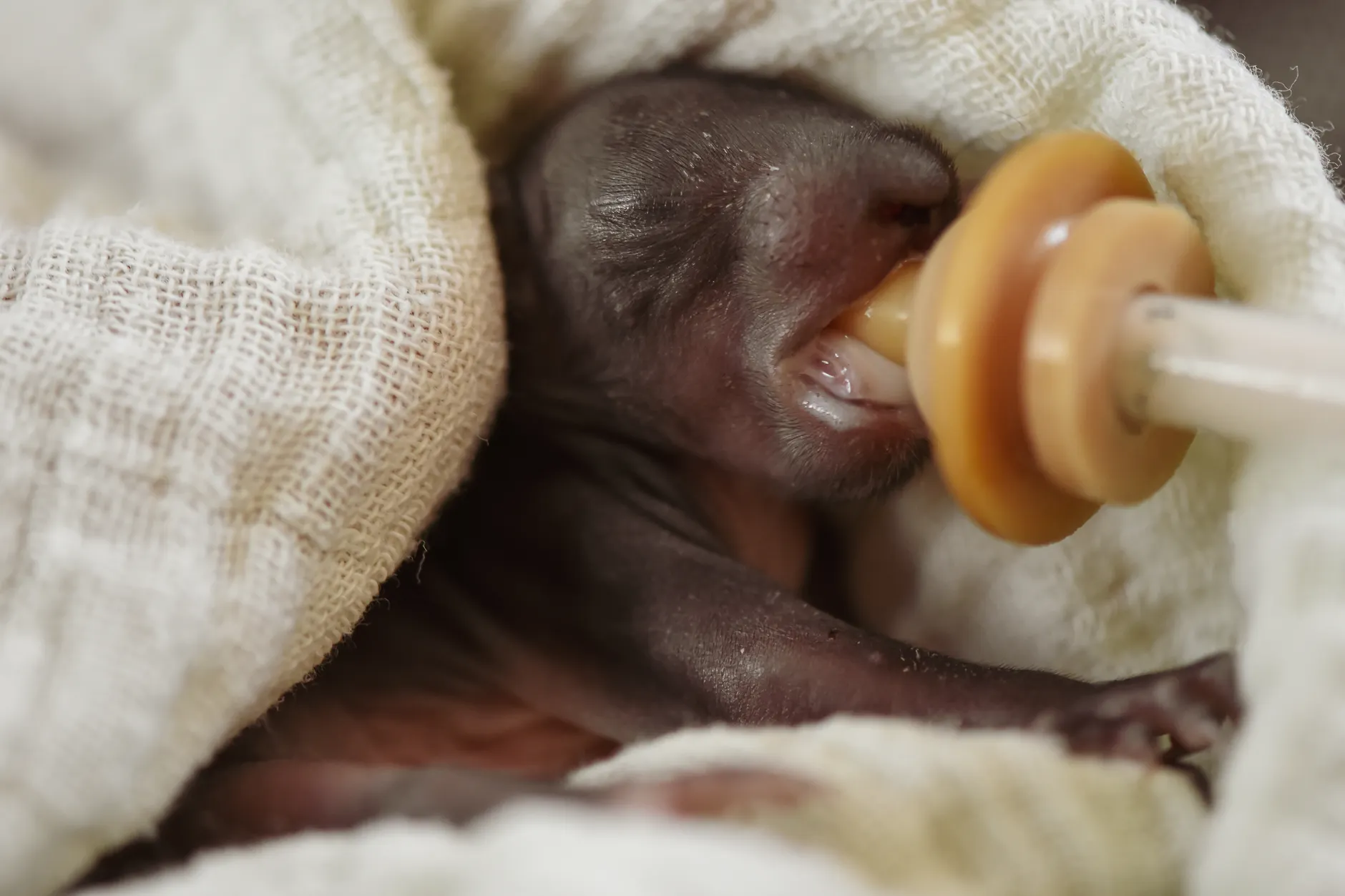
WILDNorth is in baby animal season, with orphaned skunks, ducklings, hares, and fledglings arriving daily — many inadvertently separated from parents by concerned residents trying to help.
The rehabilitation centre west of Edmonton near Spruce Grove takes in more than 4,000 orphaned, abandoned, or injured animals every year — more than double the 1,500 admitted a decade ago. WILDNorth executive director Dale Gienow said 95 per cent of those animals have been negatively impacted by people in some fashion.
Common scenarios create accidental kidnappings. Skunks are regularly trapped by homeowners worried about their presence, then relocated — orphaning the babies still in dens. Ducklings are left behind when mothers move broods to water. A porcupette arrived at the centre this season. Most young animals in care are about six to seven weeks old and require intensive care — some birds need feeding every hour.
Gienow stressed the importance of pausing before acting. "The biggest thing to consider when you see baby animals is to ask before you act," he said. WILDNorth's website includes a FAQ section detailing what to do in common scenarios. Ducklings are particularly vulnerable: unlike geese, other duck families won't accept orphaned babies, so if you find an orphaned duckling, bring it to WILDNorth.
If you find what appears to be an injured, orphaned, or contaminated animal, call the WILDNorth hotline at 780-914-4118 before approaching it. The centre fields about 14,000 calls annually from concerned citizens seeking advice on living in harmony with wildlife.
