Forest tent caterpillars blanket Alberta
Millions of the black-and-blue critters are feasting on leaves across the province, including Edmonton's river valley, in a natural cycle that returns roughly every decade.
The day's top stories, food & events — every morning at 7. Unsubscribe anytime.
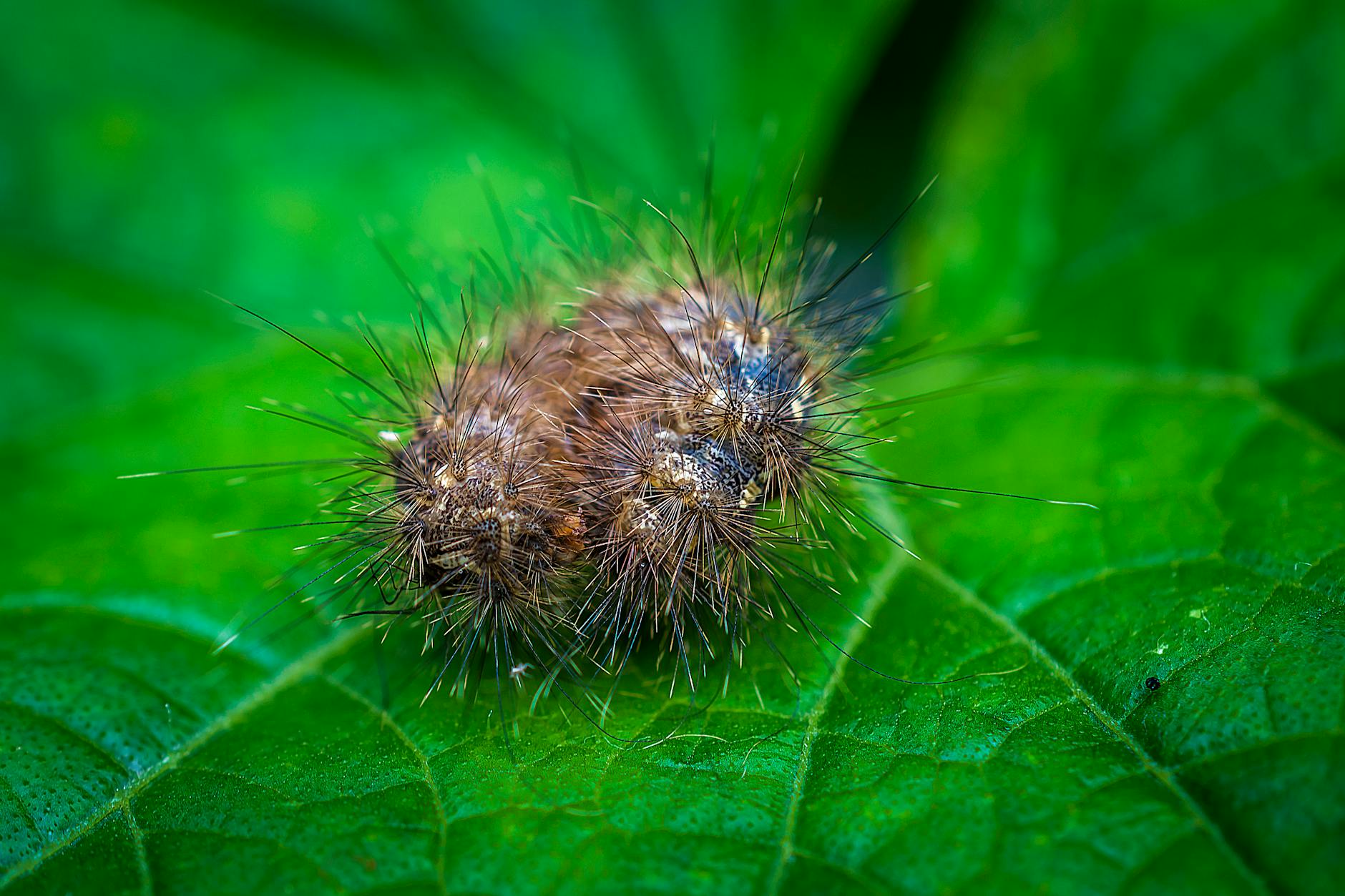
Millions of forest tent caterpillars are moving across Alberta's trees right now, and Edmonton's river valley is in their path.
The outbreak happens roughly every decade in northern prairie regions with boreal forest. The caterpillars—black with vibrant blue-and-yellow markings—are native to Alberta and typically appear in smaller numbers, but their populations cycle dramatically based on the health of the caterpillars themselves, their natural predators, and factors like temperature and moisture.
Ken Fry, an instructor at Olds College of Agriculture & Technology, said the phenomenon is natural and temporary. "An unsavoury aspect of it is what goes in must come out," Fry explained. "If you are under a nice aspen tree on a picnic table and all of a sudden you think, 'Hey, where's all these droplets coming from?' it's not very nice. But that's good fertilizer."
A moth can lay between 100 and 300 eggs on a tree's canopy ahead of winter. The eggs survive the cold, hatch in spring, and begin feeding on leaves for four to five weeks before spinning silken cocoons to pupate—often on trees, fences, or garage walls.
The caterpillars' small hairs may cause skin irritation or mild allergic reactions in some people if handled, particularly those with sensitivities. Roads running through forested areas may also become slippery when caterpillars crawl across them.
Red Deer and Olds have said they're not conducting large-scale pesticide treatment, instead letting the natural cycle play out. The creature's bad reputation belies its ecological role—what seems like destruction is feeding the cycle that sustains the forest.
