Teen canoeists retrace Treaty 6 route, discover themselves along the way
Thirty Lloydminster students paddled 350 kilometres down the North Saskatchewan River to mark 150 years since Treaty 6, and left changed.
The day's top stories, food & events — every morning at 7. Unsubscribe anytime.
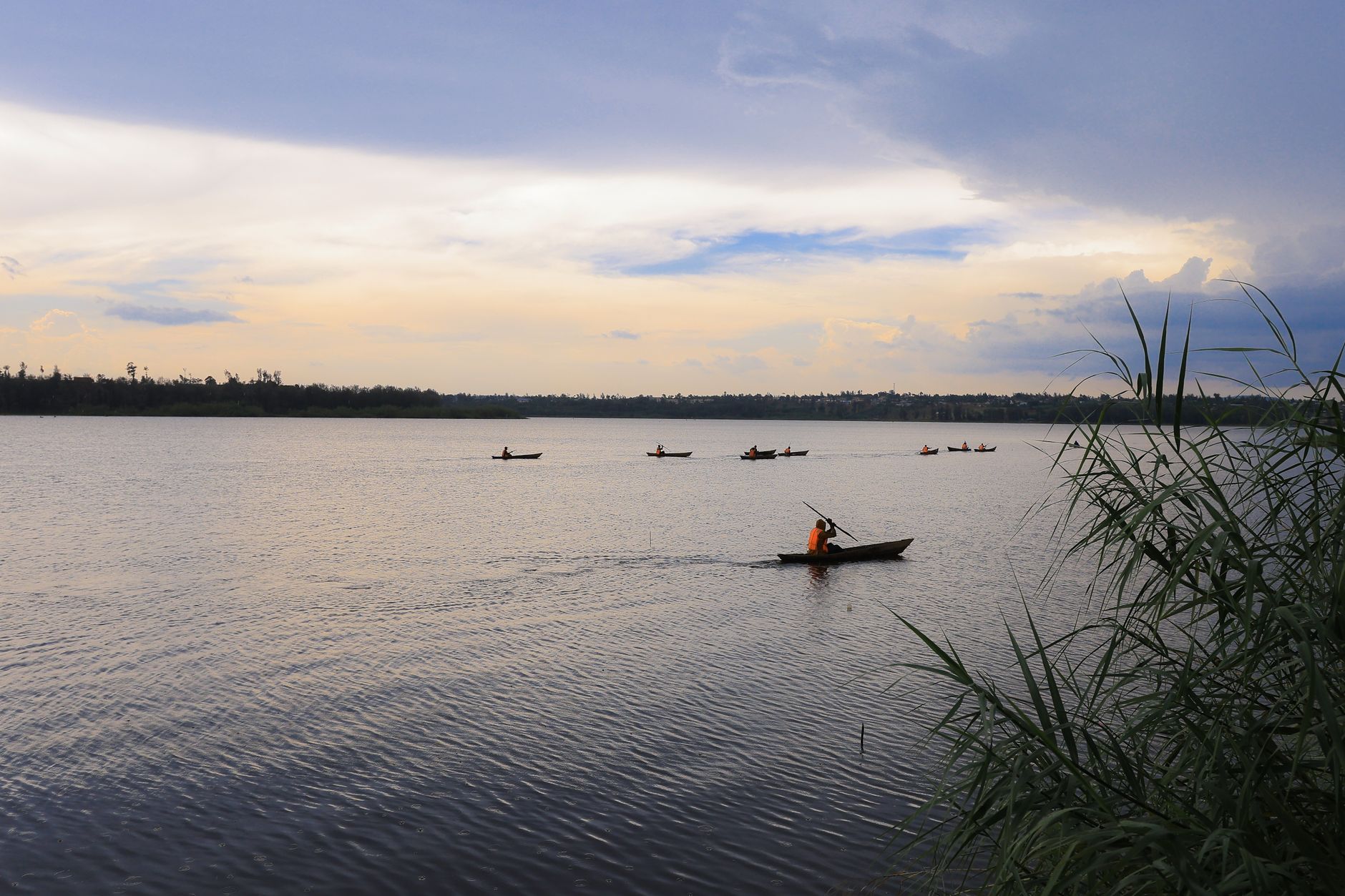
Some thirty high school students embarked on the trip of a lifetime this spring, paddling the same waters that carried First Nations and Crown representatives during the Treaty 6 negotiations 150 years ago.
The journey was a 350-kilometre canoe trip down the North Saskatchewan River from Fort Pitt — 15 kilometres east of the Alberta/Saskatchewan border — to Fort Carlton in central Saskatchewan. For eight days, three rotating crews of students from five Lloydminster schools tackled the voyage in legs, each paddling for three days and camping along the bank for two nights.
"The first hour was pretty sore," said 17-year-old Creedence St. Germaine of Avery Outreach School. "I got used to the soreness in the shoulders and stuff and just kept paddling."
Allie Hillis, a Grade 8 student at E.S. Laird Middle School, said the physical challenge revealed something deeper. "I learned that I'm stronger than I thought I was when we had to paddle against the wind."
The route they traced commemorates the 150th anniversary of Treaty 6, one of the 11 numbered treaties signed between First Nations, the Creator, and the Canadian Crown. Treaty 6 territory spans central Alberta and Saskatchewan — a sacred agreement outlining how First Nations and settlers would share land, plants, air, and animals.
Clint Chocan, a First Nation, Métis and Inuit education consultant for the Lloydminster Public School Division and one of the trip's organizers, carried a familial connection to the history they were retracing. "My great-great-great grandfather happened to be Seekaskootch who signed Treaty 6 for our Nation," Chocan, a member of Onion Lake Cree Nation, said. "It's something that I'm deeply connected to and deeply rooted with."
E.S. Laird principal Luke Maw, an avid paddler, was thrilled to share the rich history along the North Saskatchewan River with students. He believed the physical challenge would be transformational. "I've seen it time and time again where canoe trips change people," Maw said. "The challenge back to our students now is — how will people know that you're changed?"
For eighteen-year-old Libby Sherbinin, a graduating Lloydminster Comprehensive High School student and part of the first crew, the trip was more than a physical test. "It was really great to learn that I can make friends with people and work really well with people that I haven't known before and that come from different backgrounds than me," she said. "I think that's exactly what a treaty is — it's building relationships, coming to an agreement and respecting that agreement, despite differing perspectives on it."
Battling strong headwinds one day and temperatures over 30 Celsius the next gave Sherbinin a new appreciation for the original voyage. "I don't think we would have been able to make it going upstream like they had to," she reflected.
The students faced genuine hardship — wind, water, exhaustion — but the challenge forged something lasting. "Every artist needs a place to call home," as one student might say about community support. These teens found that place on the river, paddling through history and discovering their own strength along the way.
