Montreal's 1976 Olympic Games left a lasting legacy 50 years later, leaders say
Despite early controversy around the 'Big Owe' stadium and its ballooning costs, the Games proved profitable and positioned Canada as a major host for international sporting events.
The day's top stories, food & events — every morning at 7. Unsubscribe anytime.
Fifty years after the 1976 Montreal Olympics, international sporting leaders say the Games left a lasting and largely positive impact on Canada's ability to host world-class events, despite early controversy surrounding the Olympic Stadium's soaring construction costs.
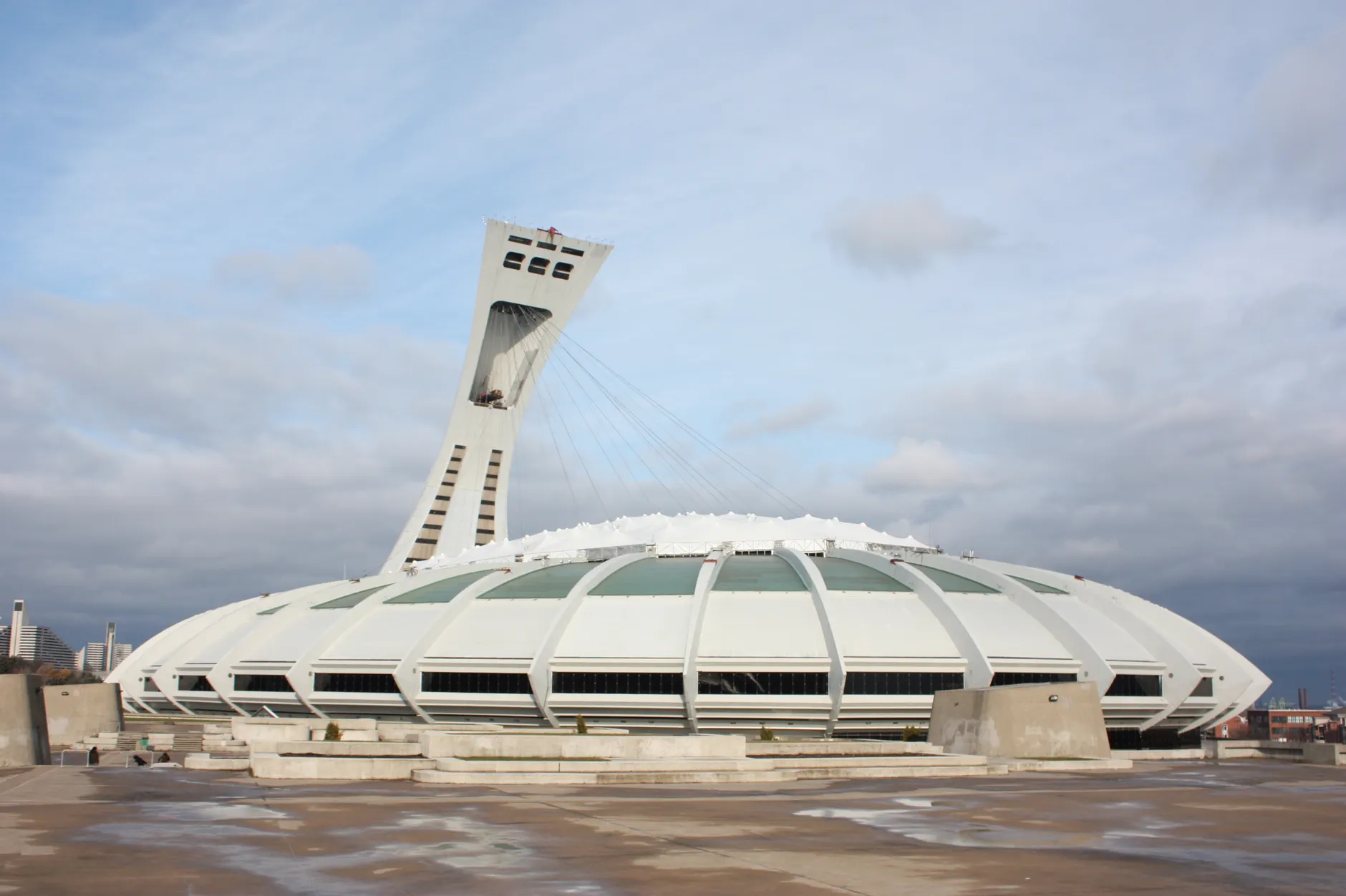
The Olympic Stadium, nicknamed the "Big Owe" for its ballooning expenses and problem-plagued construction, dominated headlines at the time. The venue's concrete began falling, its retractable roof proved faulty, and the $1-billion price tag took Montrealers three decades to pay off.
Yet Thomas Bach, honorary president of the International Olympic Committee and a 1976 gold medallist in team foil fencing, said the Games proved transformative. "These Games left a great legacy," Bach said by video from Lausanne, Switzerland in June. "Having visited Montreal afterwards, seeing the Olympic Park, the Olympic Village and the stadium, in seeing that Montreal and Canada have since become premier hosts for international sporting events — like the Road World Cycling Championships you're welcoming this year — all of this is because of these first Games. Canada put itself on the world map as a major organizer of sporting events."
Eric Myles, chief sport officer at the Canadian Olympic Committee, said the Montreal Games were the first Olympics to be profitable in terms of operating expenses — a fact that often surprises people. "It's crazy when you say that; people look at you and don't believe you," Myles said. "They were incredibly well organized."
The Games also spurred construction of major venues still in use today, including the Claude-Robillard Sports Complex, the Olympic Basin, and the stadium itself, which is currently getting a new roof.
Claude Mailhot, a sports broadcaster who covered 21 Olympic Games, said the Montreal Games' success made it possible for other Canadian cities to host. "The Montreal Games worked so well, despite the costs for the stadium and the criticism that then-Montreal Mayor Jean Drapeau received, that if Montreal hadn't done a good job, Calgary and Vancouver would have never got to host Olympic Games," he said.
Tricia Smith, president of the Canadian Olympic Committee and a four-time Olympian, said the Games led to the creation of a number of provincial sports federations. In recent years, some 40 per cent of Canada's Olympic team has been comprised of Quebec athletes, which may reflect part of the Montreal legacy.
The facts
How much did the Montreal Olympic Stadium cost to build?
$1 billion. The venue's construction proved problem-plagued, with concrete falling and a faulty retractable roof, and Montrealers took three decades to pay off the debt.
Were the 1976 Montreal Olympics profitable?
Yes. The Montreal Games were the first Olympics to be profitable in terms of operating expenses, according to the Canadian Olympic Committee.
