Ottawa Bagelshop's Montreal-style bagels set the local standard, and New York's sit a different way
Hand-rolled, honey-boiled and wood-fired since 1984, the Wellington Street shop gives Ottawa a bagel that reads very differently from New York's.
The day's top stories, food & events — every morning at 7. Unsubscribe anytime.
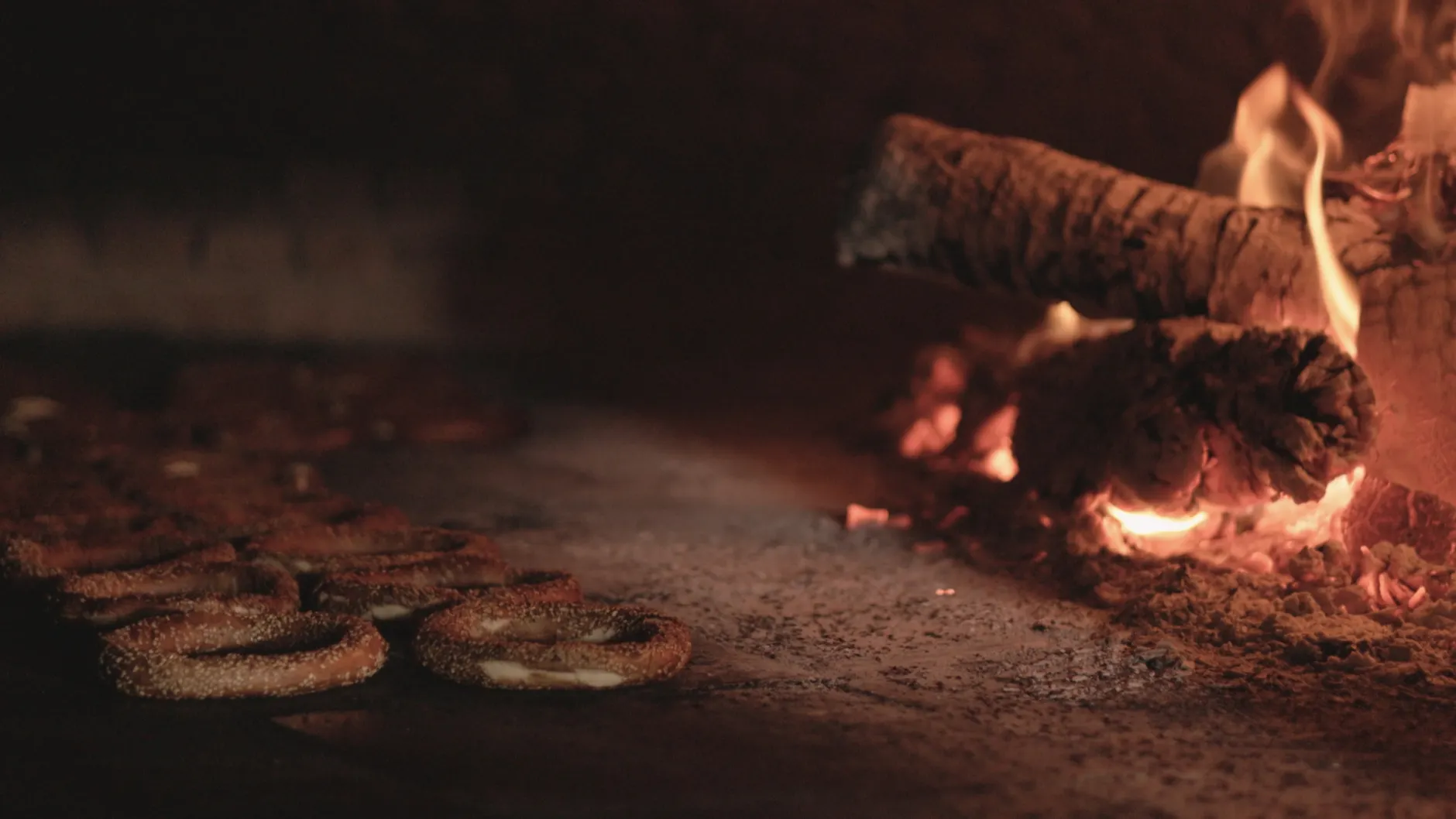
You can smell the wood smoke before you find the door at Ottawa Bagelshop and Deli on Wellington Street, and the line usually runs down the block. Vincenzo Piazza opened the shop in 1984 with the method he brought to Ottawa: bagels rolled by hand, boiled in honey water and baked in a wood-burning oven.
The shop is at 1321 Wellington St. W. It's open Monday to Saturday from 7 a.m. to 5 p.m. and Sunday from 7 a.m. to 4 p.m., and it's closed December 25 and 26 and January 1 and 2. The phone number is 613-722-8753 and the website is ottawabagelshop.com.
If you've lived here a while, you already know the Montreal-versus-New York argument, and most people here have picked a side. The bagel is about the size of your palm, with a slender body and a generous centre hole. The outside is lightly crisp and the inside is chewy, almost creamy. Montreal-style bagels contain malt and egg and no salt, and the honey-sweetened boil gives them a subtle sweetness. Compared with New York bagels, they're smaller, thinner, sweeter and denser, with a larger hole. The onion in the everything seasoning chars in the wood-fired oven and leaves a slight bitterness. The cream cheese is smooth and fresh with a hint of sweet garlic, but it works as an accent rather than the main event. The bagel is the point.
Lineups down the block when the shop opened in 1984. Bagel rollers train for more than three months to reach 40 bagels every three minutes.
New York is a different experience. Shops stack bagels in many varieties behind the counter, flavoured cream cheese sits in piled display mounds, and the rainbow bagel went viral in 2016. Many people credit New York's water for its bagels, and soft water does affect dough development, though water is only one part of the process.
