A possible waterspout spotted in Sainte-Clotilde as tornadoes increase across Quebec
A funnel-shaped cloud was sighted Tuesday evening in the Montérégie. Experts say waterspouts cause less damage than traditional tornadoes.
The day's top stories, food & events — every morning at 7. Unsubscribe anytime.
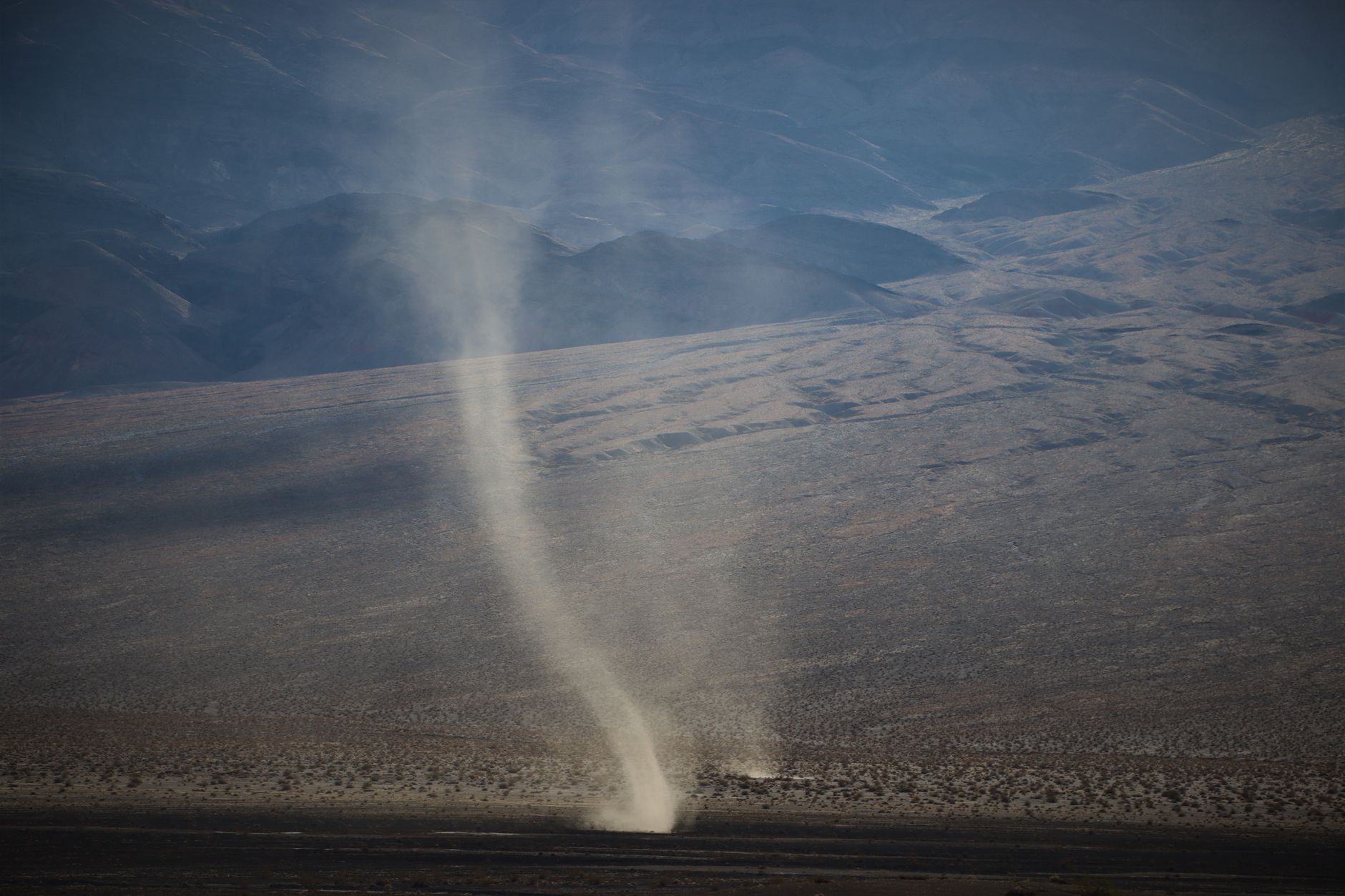
A possible waterspout was spotted Tuesday evening in Sainte-Clotilde, in Quebec's Montérégie region, prompting attention from residents as video of the funnel-shaped cloud circulated on social media.
Experts say the phenomenon may have been a waterspout—a small, low-intensity tornado that forms near the ground and is not linked to the deep rotation of a thunderstorm. Unlike a traditional tornado, which develops from a powerful rotating storm system, waterspouts are generally weaker and cause less damage. No damage was reported in the area following the sighting.
The event comes just days after two tornadoes were confirmed in Quebec by the Northern Tornadoes Project. Those tornadoes touched down last Tuesday in Harrington, in the Laurentians, and near Lake Beauchamp in Saint-Donat, in Lanaudière, following severe thunderstorms that brought down trees and damaged some infrastructure. No injuries were reported in either case.
By the numbers
Where was a possible waterspout spotted on July 29, 2026?
A possible waterspout was spotted in Sainte-Clotilde, in Quebec's Montérégie region.
How many tornadoes were confirmed in Quebec recently?
Two tornadoes were confirmed in Quebec by the Northern Tornadoes Project, touching down on July 22, 2026—one in Harrington in the Laurentians and one near Lake Beauchamp in Saint-Donat in Lanaudière.
How do waterspouts compare to traditional tornadoes?
Waterspouts are small, low-intensity tornadoes that form near the ground and are not linked to deep storm rotation, making them generally weaker and causing less damage than traditional tornadoes.
