Tornadoes across Alberta surge 53% this year as weather conditions align for more
Alberta has recorded 23 tornadoes so far in 2026, up from 15 last year, with researchers warning the season could bring record numbers.
The day's top stories, food & events — every morning at 7. Unsubscribe anytime.
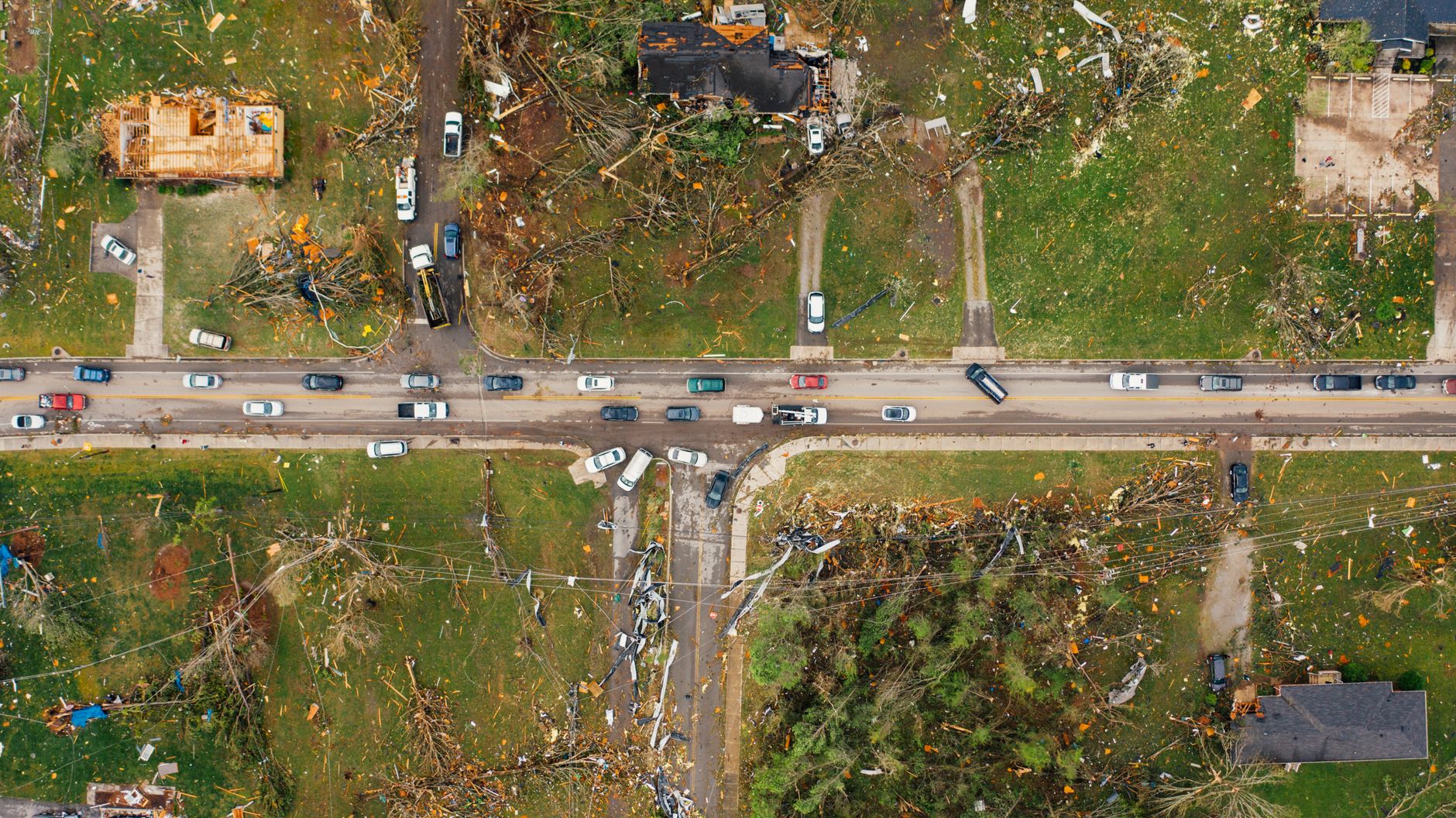
Alberta has already recorded 23 tornadoes in 2026—up from 15 in 2025—and researchers warn the season could bring the highest tornado count across the Prairies since the 1980s if the current pace continues.
Environment Canada meteorologist Brian Proctor said there have been 48 tornadoes across Alberta, Manitoba, and Saskatchewan so far this year. The most recent were two tornadoes on Thursday that injured three people when they swept through a campground at Dillberry Lake Provincial Park in eastern Alberta.
Proctor said six weeks of tornado season remain, with more tornadoes still possible in the near term. "It's been a very active year," he said.
David Sills, director of the Northern Tornadoes Project at Western University, noted this year has seen the most tornadoes in the Prairies since the 1980s. "Sometimes a lot of things happen at the beginning of the season and then not much happens at the end," Sills said. "But if this pace keeps up through June, July, August, we could be looking at some record numbers of tornadoes here for the Prairies."
The exact cause of the increase is difficult to pin down, but Proctor believes it is linked to recent weather patterns. The contrast between Edmonton's heavy rainfall and high fire weather activity in the Northwest Territories has created a consistent flow pattern. "So what really happened across the Prairie provinces is a very consistent sort of flow pattern, very consistent storm track and an atmosphere that's been preconditioned to produce thunderstorms," Proctor said.
Thunderstorms typically do not create enough wind shear to spin into tornadoes, but this year the atmospheric conditions have aligned to produce them. Sills' team is investigating the Dillberry Lake tornado damage, which stretches from Killarney Lake in Alberta to Long Lake in Saskatchewan. Findings should be posted on their Facebook page this weekend.
