Alberta wetland drainage rules spark conservation concerns as farmland exemption expands
Landowners can now drain temporary and seasonal wetlands without provincial approval, overturning protections conservationists say were crucial.
The day's top stories, food & events — every morning at 7. Unsubscribe anytime.
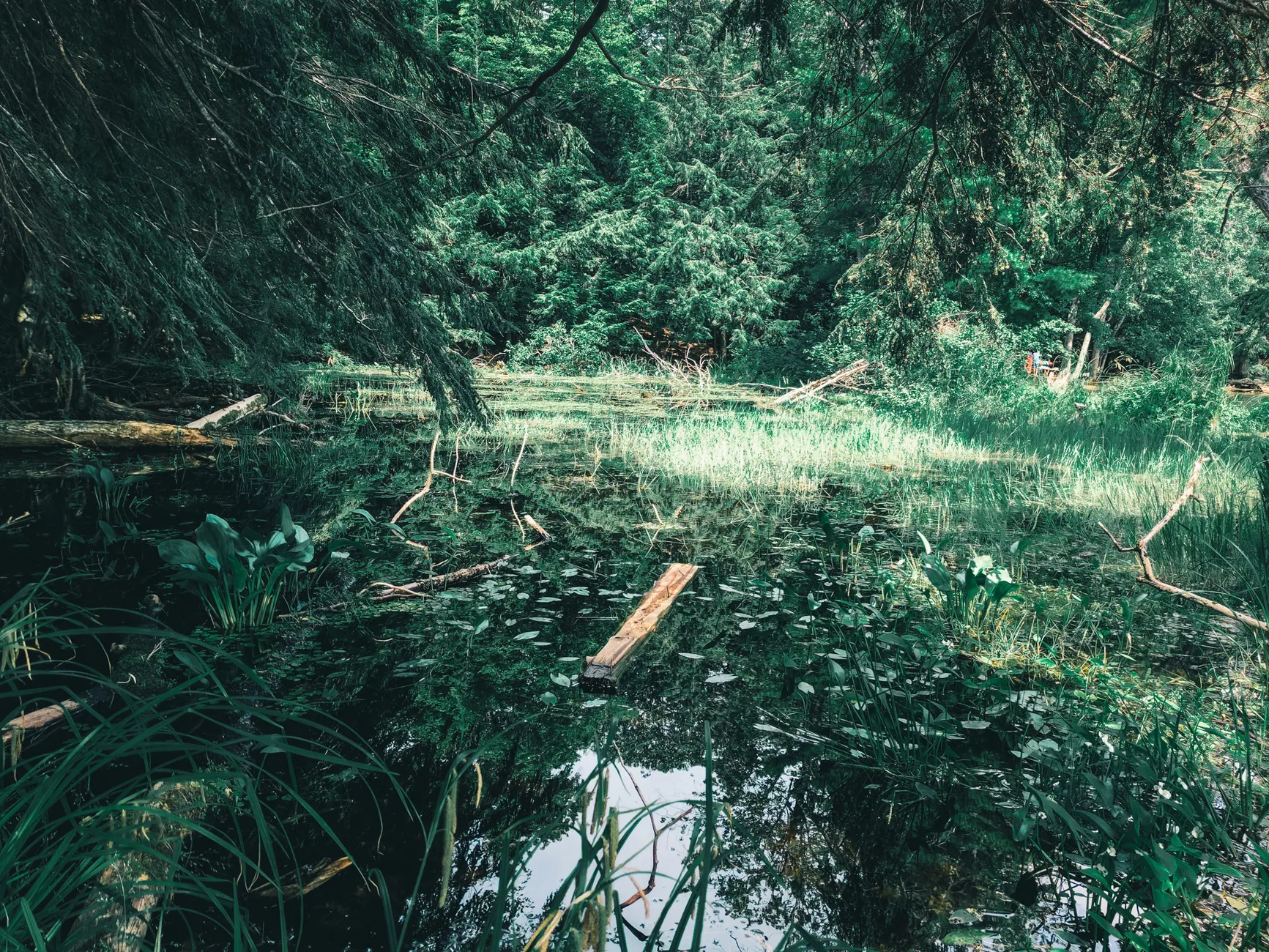
Alberta announced in late August that landowners no longer need approval under the Water Act to conduct routine agricultural activities involving temporary and seasonal wetlands on private property — a significant expansion of exemptions that has alarmed conservation specialists.
The province classifies temporary wetlands as areas covered in water for only a few weeks in spring or after heavy rain, while seasonal wetlands hold water for most of the growing season before drying out by summer's end. Under the newest amendments, farmers can drain both types without needing provincial approval.
"Farmers should not have to spend thousands of dollars, hire consultants, and wait for government approval to manage temporary water on land they own and farm," the office of Environment Minister Grant Hunter said in a statement. "Alberta's government is removing those unnecessary barriers and restoring farmers' ability to make routine decisions about their own property."
But conservation specialists warn the move undermines decades of wetland policy rooted in ecological science. Temporary and seasonal wetlands provide critical habitat for birds, amphibians and insects precisely because they don't hold water year-round, meaning animals there face fewer permanent predators. Alberta's wetlands support about 400 different species of plants, some listed as threatened or endangered.
Wetlands also play a larger hydrological role: they mitigate floods and droughts by storing water, slowing runoff into rivers, and allowing water to seep slowly into the ground to keep surrounding soils productive. They protect water quality and human health by preventing nutrient runoff, which can trigger toxic algal blooms.
"We're concerned because we think that there's a reason that we have these assessments in place," said Ruiping Luo, conservation specialist with the Alberta Wilderness Association. "There's a reason that we've been trying to encourage wetland conservation for so long, and we're still losing wetlands in a lot of the province through a lot of different developments."
Alberta has already lost an estimated 60 to 70 per cent of wetlands in settled parts of the province. Tracy Scott, who recently retired after a career in wetlands conservation and was involved in developing the province's wetland policy, said the move contradicts the evidence. "Now it seems like we're going back on that and we're not considering these temporary and seasonal wetlands, even though they do have important roles in hydrology, in biodiversity, in maintaining our lands," Scott said.
How many hectares of temporary and seasonal wetlands on private land in Alberta will be affected by the drainage exemption?
When did Alberta lose the 60 to 70 per cent of its settled-area wetlands, and how much additional loss has occurred since?
We'll update this story as answers emerge.
By the numbers
What types of wetlands can Alberta landowners now drain without provincial approval?
Landowners can drain temporary wetlands (areas covered in water for only a few weeks in spring or after heavy rain) and seasonal wetlands (which hold water for most of the growing season before drying out by summer's end) without needing provincial approval under the Water Act.
How much of Alberta's wetlands have already been lost in settled areas?
Alberta has lost an estimated 60 to 70 per cent of wetlands in settled parts of the province.
