Health Canada approves SpayVac-Equid vaccine testing on Alberta wild horses
Alberta received research authorization in late August to test a new birth control vaccine on free-roaming horses. The latest survey found 2,072 wild horses—the highest count ever recorded.
The day's top stories, food & events — every morning at 7. Unsubscribe anytime.
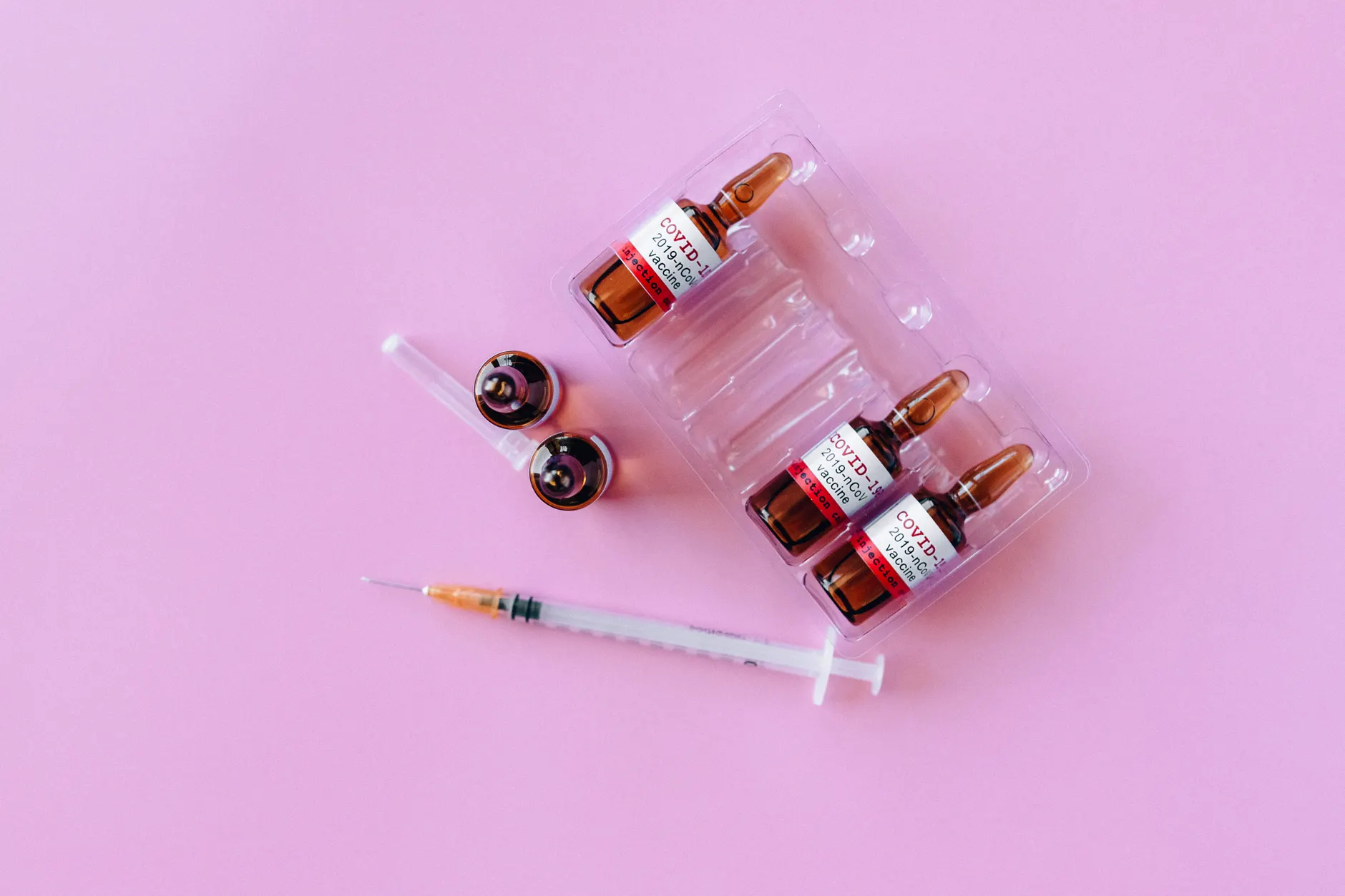
Health Canada approved research authorization for the SpayVac-Equid contraceptive vaccine to be tested on free-roaming horses in Alberta in late August, the Alberta government confirmed this week.
The vaccine represents a new approach to managing wild horse populations the province says have reached "unacceptable" levels. Alberta's latest feral horse survey found 2,072 wild horses across six equine management zones—the highest number ever counted. Population levels in the Sundre, Ghost River, Elbow, and Clearwater zones are assessed as "not ecologically sustainable."
A Health Canada spokesperson said: "This research authorization allows the product to be studied in feral horses; it does not constitute approval for general use."
Alberta's feral horse management framework, developed in 2023, lists contraception, removal from wild, and adoption as population control strategies. The province considers horses stray animals rather than wildlife. A previous 2014-2017 contraception pilot project using ZonaStat-H vaccinated 87 mares initially, with 17 receiving a booster shot and 5 receiving a third dose. Of the 17 mares actively monitored, only one confirmed pregnancy occurred. That pilot found contraception costs approximately $1,180 per dose but faced challenges tracking horses across rough terrain to administer booster shots.
Research cited by the province indicates 45 to 84 per cent of the entire female horse population would need birth control for noticeable population reduction.
Jack Nichol, president of the Wild Horses of Alberta Society, outlined the new plan: capture horses, administer the vaccine by hand, release them back into the wild, and mark vaccinated horses for tracking. Nichol said SpayVac-Equid has an 85 to 95 per cent success rate, prevents conception for three to four years, does not alter herd dynamics, and requires no booster shots.
The Alberta Department of Forestry and Parks said in a statement: "Alberta's government is continuing to work with stakeholders and advisory committee members to implement management actions in a safe, humane and science-based manner. Currently, these actions are limited to continuing data gathering and adoption."
What timeline has Health Canada set for the research authorization, and how many horses will be included in the initial test?
How will the province fund SpayVac-Equid treatment if pilot data shows 45-84 per cent of the female population would need vaccination for effective population control?
We'll update this story as answers emerge.
By the numbers
How many wild horses were found in Alberta's latest survey?
Alberta's latest feral horse survey counted 2,072 wild horses across six equine management zones—the highest number ever recorded.
How long does SpayVac-Equid prevent conception?
SpayVac-Equid prevents conception for three to four years and requires no booster shots, according to Jack Nichol, president of the Wild Horses of Alberta Society.
What was the success rate of the previous ZonaStat-H contraception pilot?
The 2014–2017 pilot project using ZonaStat-H vaccinated 87 mares initially; of the 17 mares actively monitored, only one confirmed pregnancy occurred.
