Tick-borne anaplasmosis rising in eastern Canada as doctors urge screening awareness
A new medical report warns physicians to consider anaplasmosis—a lesser-known tick illness—in patients with unexplained fever, as cases surge in Ontario and Quebec.
The day's top stories, food & events — every morning at 7. Unsubscribe anytime.
Doctors across eastern Canada are warning about a rising tick-borne illness that mirrors Lyme disease symptoms but often goes undiagnosed: anaplasmosis.
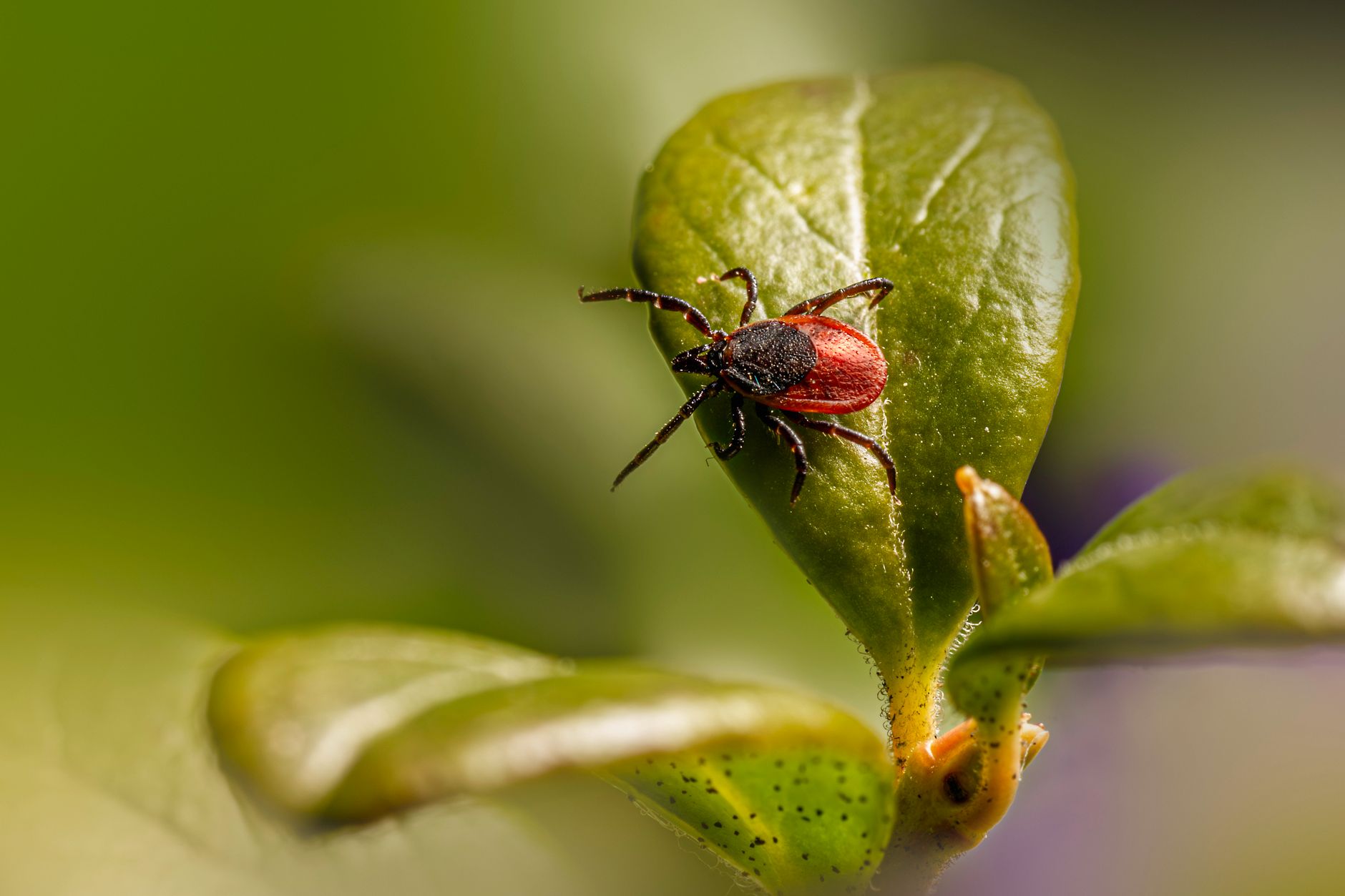
A new paper published Monday in the Canadian Medical Association Journal urges physicians to consider anaplasmosis as a possible diagnosis for patients with unexplained fever, chills, fatigue, or gastrointestinal issues. The bacteria is carried by the same blacklegged tick—also called a deer tick—that spreads Lyme disease.
"It's really important to be talking about this infection because we're observing it more and more in clinical practice, and it's new," said Dr. Michael Quon, an internal medicine specialist at The Ottawa Hospital and the paper's senior author. "This is not an infection that we encountered even five years ago in the hospital."
The paper describes a 79-year-old rural eastern Ontario man who developed fever, weakness, and complications including heart inflammation. Doctors treated him with doxycycline—the first-line antibiotic for both Lyme disease and anaplasmosis—and he recovered fully. Lab results later confirmed anaplasmosis.
Quon's main message to physicians is to start doxycycline immediately if anaplasmosis is clinically possible, rather than waiting for lab confirmation. Left untreated, the infection can cause serious complications including brain inflammation, acute respiratory distress, and kidney failure.
Among ticks collected for examination in 2024, six per cent tested positive for the bacteria that causes anaplasmosis, up from three per cent in 2022, according to Jules Koffi, a senior epidemiologist with the Public Health Agency of Canada. The prevalence of blacklegged ticks has been rising from Manitoba eastward, but especially in Ontario, Quebec, and Nova Scotia.
By the numbers
What percentage of blacklegged ticks carried anaplasmosis bacteria in 2024?
Six per cent of blacklegged ticks collected for examination in 2024 tested positive for the bacteria that causes anaplasmosis, according to Jules Koffi, a senior epidemiologist with the Public Health Agency of Canada.
How much did anaplasmosis prevalence in ticks increase between 2022 and 2024?
The prevalence of anaplasmosis-carrying ticks doubled from three per cent in 2022 to six per cent in 2024.
Which Canadian regions are seeing the biggest rise in blacklegged ticks?
Blacklegged tick prevalence has been rising from Manitoba eastward, but especially in Ontario, Quebec, and Nova Scotia.
