Build Canada Homes falls behind on affordable housing goal after year as Crown corporation
Only 2,000 of 19,000 promised affordable units are under construction one year after the federal initiative became a Crown corporation, raising questions about pace in a deepening crisis.
The day's top stories, food & events — every morning at 7. Unsubscribe anytime.
Build Canada Homes, the federal initiative launched to tackle Canada's housing crisis and speed construction, is falling behind its own targets. One year after becoming a Crown corporation, only about 2,000 of the 19,000 affordable units it committed to supporting are currently being built.
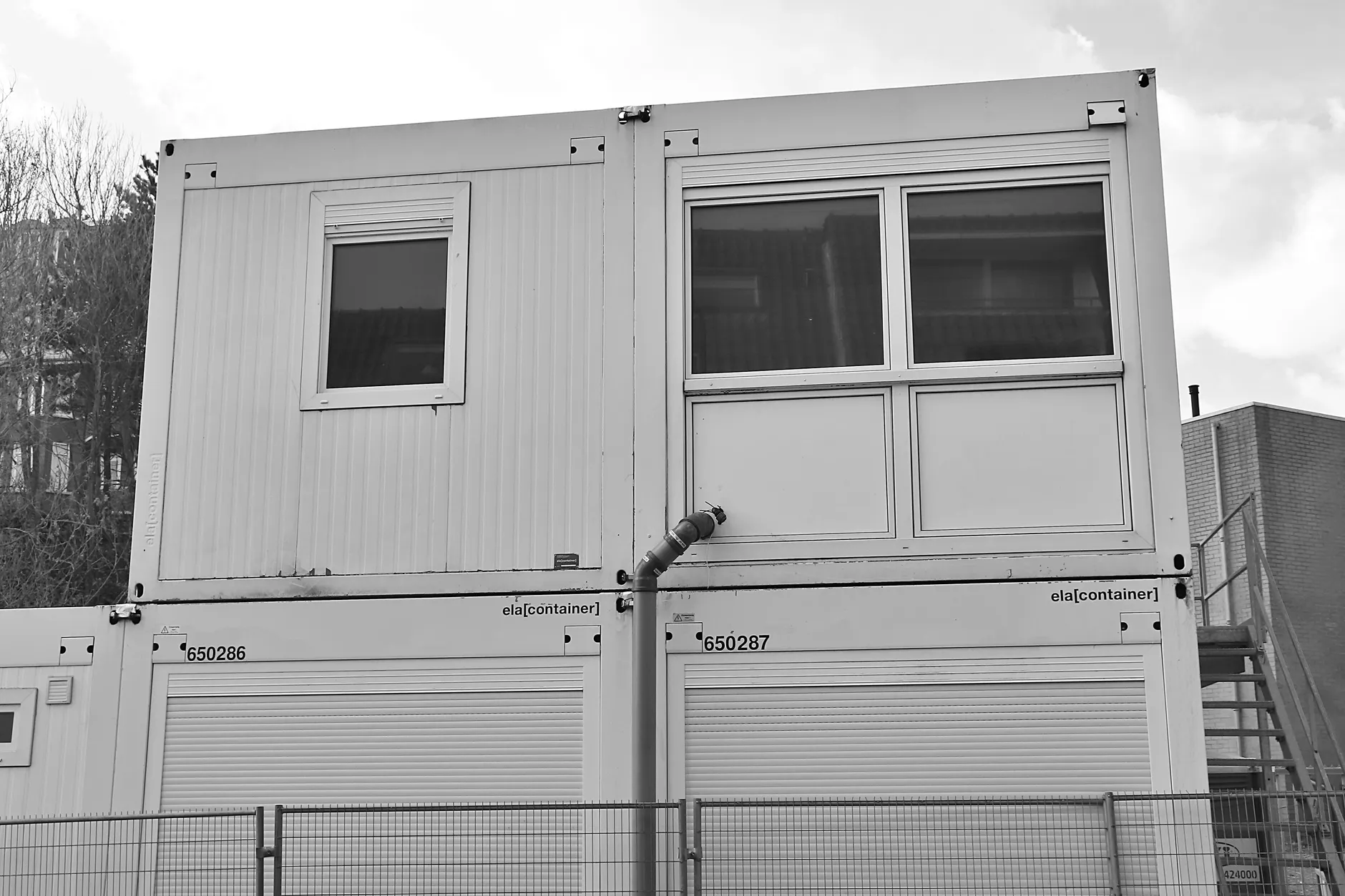
Prime Minister Mark Carney announced Build Canada Homes in Ottawa in front of partly constructed prefabricated houses, positioning it as a rapid-deployment solution to the affordability crunch. The organization received royal assent for its enabling legislation before July 2026, when it formally became a Crown corporation. Much of the past year went to clearing bureaucratic hurdles, securing land transfers, and signing intergovernmental deals.
The program focuses on non-market housing—where rents are typically linked to income rather than market rates—and partners with developers to build affordable homes for Canada's middle class. Joshua Coke, a Build Canada Homes spokesperson, said in an emailed response: "This is just the beginning. Canada's housing sector is under unprecedented pressure, with demand for affordable homes far exceeding current supply. Combatting this housing affordability challenge requires more homes to be built, more quickly, and at greater scale."
But the pace concerns industry observers. Dave Wilkes, president and CEO of the Building Industry and Land Development Association, said in an interview: "I think we can always go faster." Wilkes added: "I like to say I work for an industry that measures patience in terms of seconds."
The delay reflects a deeper historical pattern. The Canadian government under both Conservatives and Liberals effectively stopped funding and building new affordable housing for roughly three decades. In the late 1980s and early 1990s, when home prices skyrocketed and the central bank raised interest rates to combat inflation, mortgages reached 14 per cent and defaults surged. Ottawa reduced spending on housing initiatives, cut the federal co-operative housing program, and stopped building any new affordable units altogether.
Kevin Fettig, president of CMI Financial who worked on monetary policy for the Bank of Canada during that period, reflected on the cost: "They basically decided to not finance that area anymore. There hasn't really been a focus on affordability. It sort of crept up on us." Now, with demand far outpacing supply across the country, Build Canada Homes faces pressure to accelerate. Whether it can overcome the institutional inertia of three decades remains uncertain.
What is the breakdown of the 2,000 units under construction by province or region?
Which intergovernmental deals are still pending, and which have already been signed?
We'll update this story as answers emerge.
