Homebuyers want single-family houses but housing policy keeps pushing condos
A new C.D. Howe analysis shows apartments now represent 73 percent of new housing in the Greater Toronto area, despite 75-80 percent of buyers preferring ground-level homes.
Sources · C.D. Howe Institute
The day's top stories, food & events — every morning at 7. Unsubscribe anytime.
Housing policy in Ontario is fueling a dangerous mismatch between what homebuyers actually want and what is being built, according to a new analysis from the C.D. Howe Institute.
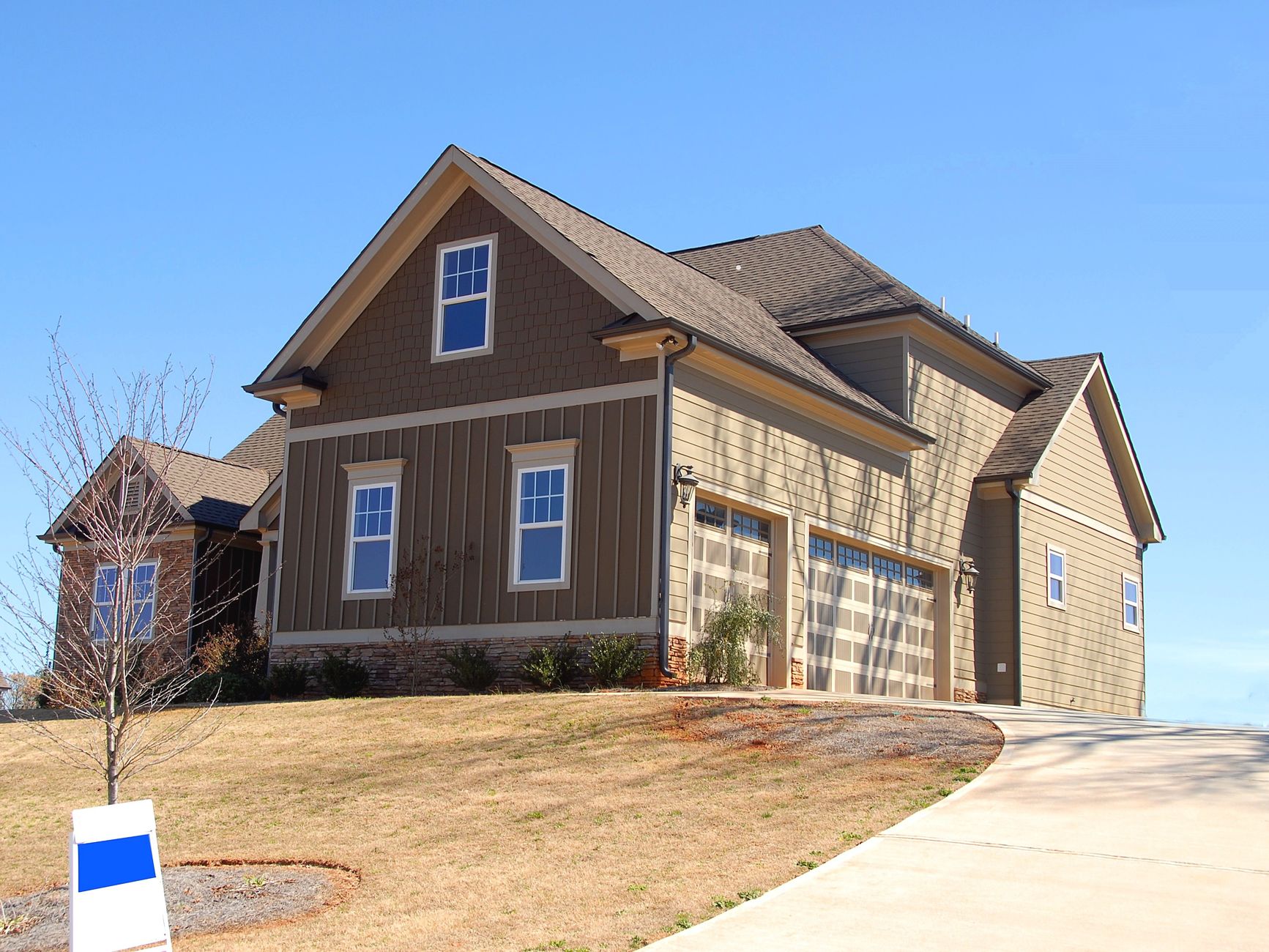
Surveys by Ipsos and Environics show that 75 to 80 percent of likely homebuyers in the Greater Toronto and Hamilton Area intend to purchase a non-apartment home, with most first-time buyers also choosing something other than a condo apartment. Homebuyers consistently prioritize single-detached houses, more living space, private outdoor space and parking.
Yet land-use policies have increasingly mandated denser apartment developments in built-up areas rather than making room for ground-level housing. The result has been a pronounced shift in housing types built. According to Canada Mortgage and Housing Corporation data, in 2001, single-detached houses made up 44 percent of housing starts in the GTHA, followed by apartments at 30 percent. By 2024, apartments had become the dominant type at 73 percent of starts, while single-detached houses fell to just 13 percent.
This mismatch drives up the cost of single-detached homes and undermines affordability in urban areas. Move-up buyers remain in their existing homes rather than purchasing newly built housing, reducing the supply of resale homes. Households move farther from employment centres searching for affordability, while renters remain in rental accommodation longer, reducing turnover in the rental market. These trends exacerbate wealth inequality by making home ownership less attainable.
The C.D. Howe Institute argues that a land-use planning system supporting a larger supply of ground-accessed housing would improve affordability. While provincial housing policies have tilted toward encouraging a mix of housing types, municipal targets focus on total units regardless of type. "High-rise apartment buildings with predominantly small units are not a substitute for single-detached houses for many homebuyers," the analysis states. Constructing more housing in built-up areas should be encouraged, but it should offer realistic alternatives to suburban ground-related homes by providing ground-level entrances, private outdoor space and parking.
By the numbers
What percentage of new housing starts in the Greater Toronto and Hamilton Area are apartments as of 2024?
Apartments represent 73 percent of housing starts in the Greater Toronto and Hamilton Area as of 2024, according to Canada Mortgage and Housing Corporation data.
What share of likely homebuyers in the Greater Toronto and Hamilton Area prefer non-apartment homes?
Between 75 and 80 percent of likely homebuyers in the Greater Toronto and Hamilton Area intend to purchase a non-apartment home, according to surveys by Ipsos and Environics.
How did the share of single-detached houses in housing starts change in the Greater Toronto and Hamilton Area from 2001 to 2024?
Single-detached houses dropped from 44 percent of housing starts in the Greater Toronto and Hamilton Area in 2001 to just 13 percent by 2024, according to Canada Mortgage and Housing Corporation data.
