LNG Canada's flare system spewing more toxic gases than disclosed, researchers claim
Environmental researchers using optical imaging photographed massive plumes of unburned gases from the Kitimat facility's flare stacks. The company disputes the findings.
The day's top stories, food & events — every morning at 7. Unsubscribe anytime.
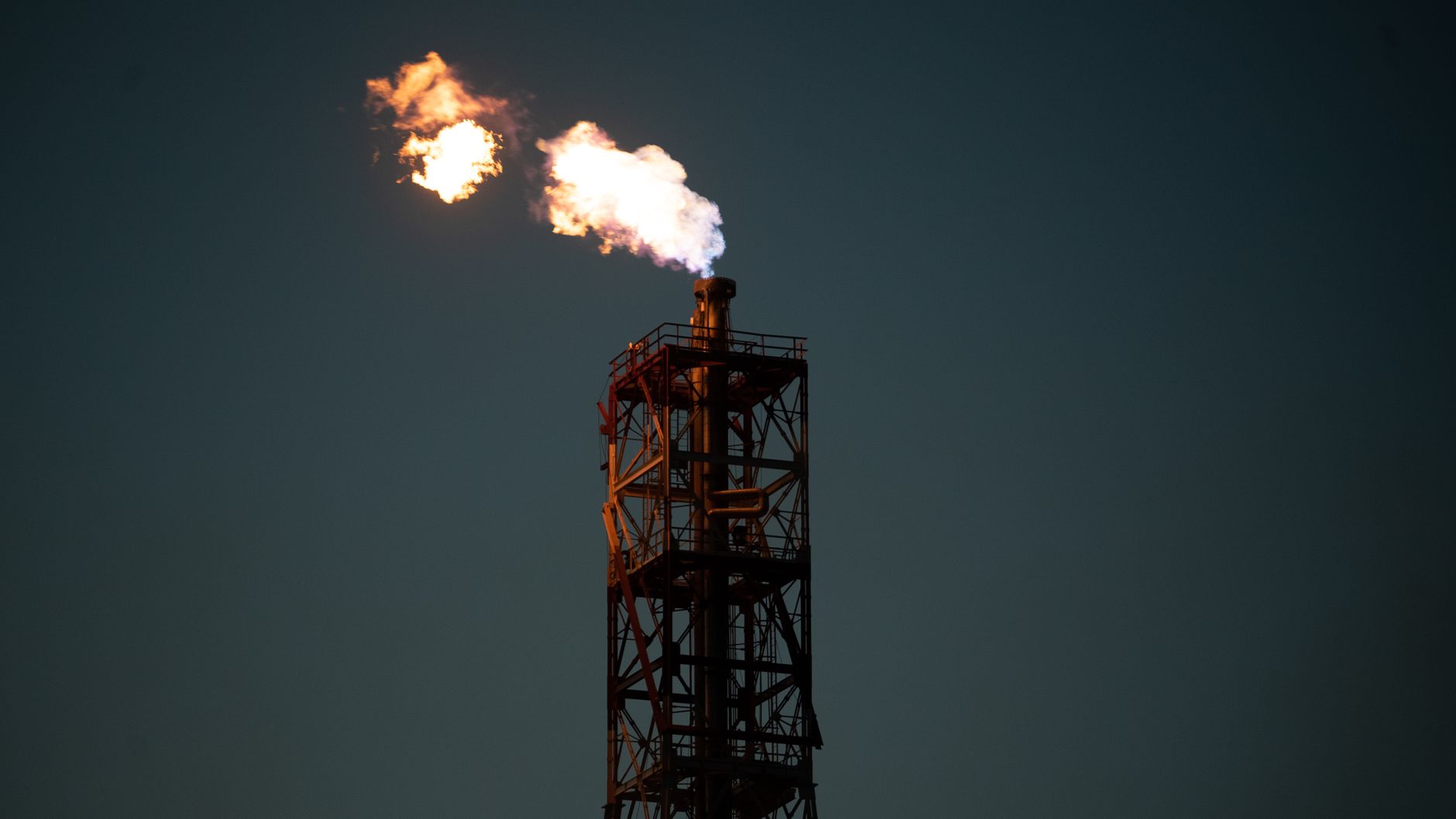
Environmental researchers say LNG Canada's broken flare system at Kitimat is releasing more toxic gases into the atmosphere than the company has disclosed, presenting optical imaging evidence Wednesday, June 24.
Tim Doty, a Texas-based researcher who worked nearly 30 years at that state's oil and gas regulator, used optical gas imaging to photograph a plume of unburned gases from the flare stacks. The plume could contain methane and volatile organic compounds such as benzene and butane. LNG Canada disputes the findings, saying the facility operates safely. The company said optical gas imaging "can be a useful screening tool" but "imagery alone cannot determine whether a plume contains benzene, how much of any substance is present, or whether it results in harmful exposure in the community."
The facility has had repeated flare-system problems. The tip of one flare—the warm/wet flare—cracked, forcing the company to pump more gas through other flares to keep flames higher up and prevent fires from spreading into pipes. Faulty valves have also caused excess gas to be pumped to all flares. According to documents obtained through a Freedom of Information request, all three flares exceeded permitted levels in April by a wide margin. The spare flare burned about 18 times its permitted amount; the other two operated at about twice and five times their limits.
The BC Energy Regulator issued a public order in April for non-compliance related to black smoke emissions. LNG Canada has applied for a tenfold increase in the amount of gas it is allowed to flare—essentially to authorize continuing its current operations—and plans to conduct updated emissions modelling and health impact assessments.
