Air traffic controller shortage persists as staffing-linked delays fall 85%
Nav Canada says it is about 170 air traffic controllers short ahead of the holidays, but staffing-linked delays fell 85 per cent this summer.
The day's top stories, food & events — every morning at 7. Unsubscribe anytime.
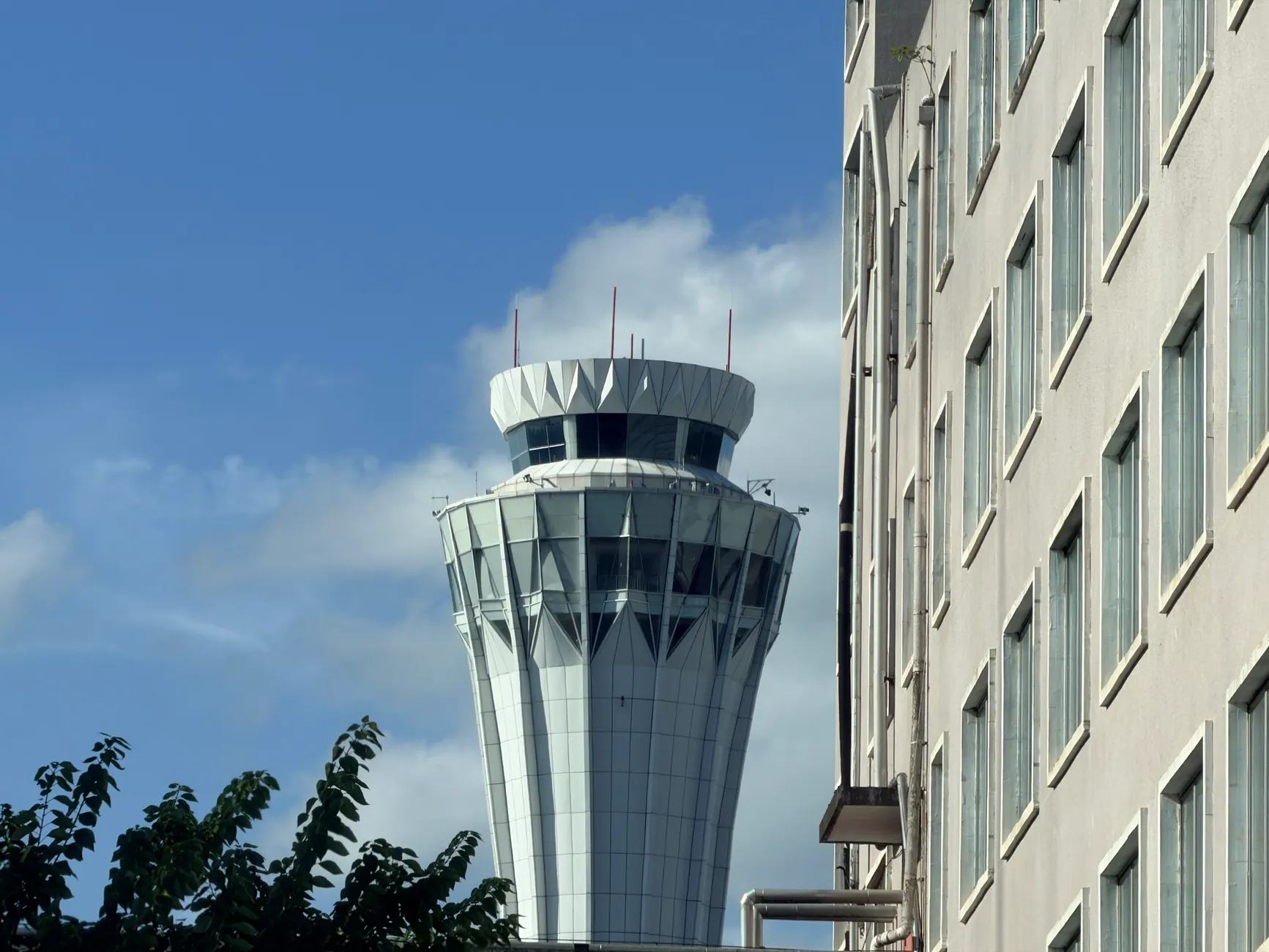
Nav Canada still has too few air traffic controllers heading into the holiday travel season, but the delays that come from that gap are down sharply, the company's chief executive said. Mark Cooper, Nav Canada's chief executive, made the comments published Nov. 26.
Nav Canada is the private, not-for-profit company that runs Canada's civil air navigation system. It has more than 2,100 air traffic controllers on staff, and Cooper says that is about 170 short of target levels. The company's own figures show the gap was about 200 in the spring and about 170 as of Aug. 31. Cooper calls the shortage a global problem. A May company backgrounder says air navigation providers across North America and Europe report staffing about 25 per cent below optimal, and that the U.S. needs an estimated 1,500 more controllers.
Training is where Nav Canada is putting its effort. Cooper says training is at record levels. The company runs seven training schools at record capacity, and a partnership with CAE adds room for 500 more students through 2028.
Delays attributable to air traffic dropped 85 per cent this past summer compared with mid-2025, Cooper says. Nav Canada's Sept. 28 news release gives more detail. From May 1 to Aug. 31, the share of scheduled flights hit by delays where its staffing or equipment was a factor fell from 1.54 per cent in 2025 to 0.24 per cent in 2026, at Toronto Pearson, Montréal-Trudeau, Calgary and Vancouver airports. Those four airports handled slightly more flights than in 2025, so the company says the change was not caused by quieter skies. Edmonton International Airport is not one of the four airports in that count.
Cooper also described the company's work with the U.S. Federal Aviation Administration. Co-operation with the U.S.
If your flight is delayed, the Canadian Transportation Agency says airlines sort delays into three groups: within the airline's control, within its control but required for safety, and outside its control. Food, drinks and a hotel can be owed if you were told less than 12 hours before departure and waited at the airport for two hours or more after your original departure time. Compensation applies only to delays within the airline's control. If you are not satisfied with the answer, or get no reply within 30 days, you can complain to the agency.
For the fall and winter, Nav Canada says its plan focuses on peak-period coverage at the busiest facilities and daily coordination with airlines, airports and the FAA. The company also plans to launch trajectory-based operations at Edmonton Centre in 2031, which it says will let aircraft follow optimized paths with less controller involvement.
