How fado music became Toronto's secret weapon for reclaiming Portuguese pride
Sold-out venues across the GTA and a first-ever International Fado Festival show how a 70-year-old immigrant tradition is breaking into the mainstream.
The day's top stories, food & events — every morning at 7. Unsubscribe anytime.
The International Fado Festival's sold-out venues across Toronto and Mississauga tell a story that isn't really about Portuguese folk music. It's about reclamation.
José Eustáquio, organizer and executive president of the Alliance of Portuguese Clubs and Associations of Ontario, remembers a different city. He arrived in the early 1970s as a kid and felt the weight of stigma. "When I arrived in the early '70s, it wasn't cool to be a Portuguese kid. We were all treated like we were fresh off the boat. We all grew up with this idealism, this desire to be accepted."
That was then. Last month, the GTA hosted the first-ever International Fado Festival — a three-weekend event running from September 25 to October 11 in Toronto and Mississauga community venues, each night sold out. "Each night, we invited iconic singers from Portugal," Eustáquio said. "The public had a massive desire to see them. It's a celebration of who we are as a people and our origins."
Fado arrived in Toronto in 1956, when the first fado house opened in Kensington Market. That space eventually became Lisboa à Noite — a place where Portuguese immigrants fleeing poverty and dictatorship in the 1950s could share traditional meals and sing about home. For many, fado was a way to express saudade, an untranslatable Portuguese word meaning an intense nostalgia for things to be as they were or for someone to return.
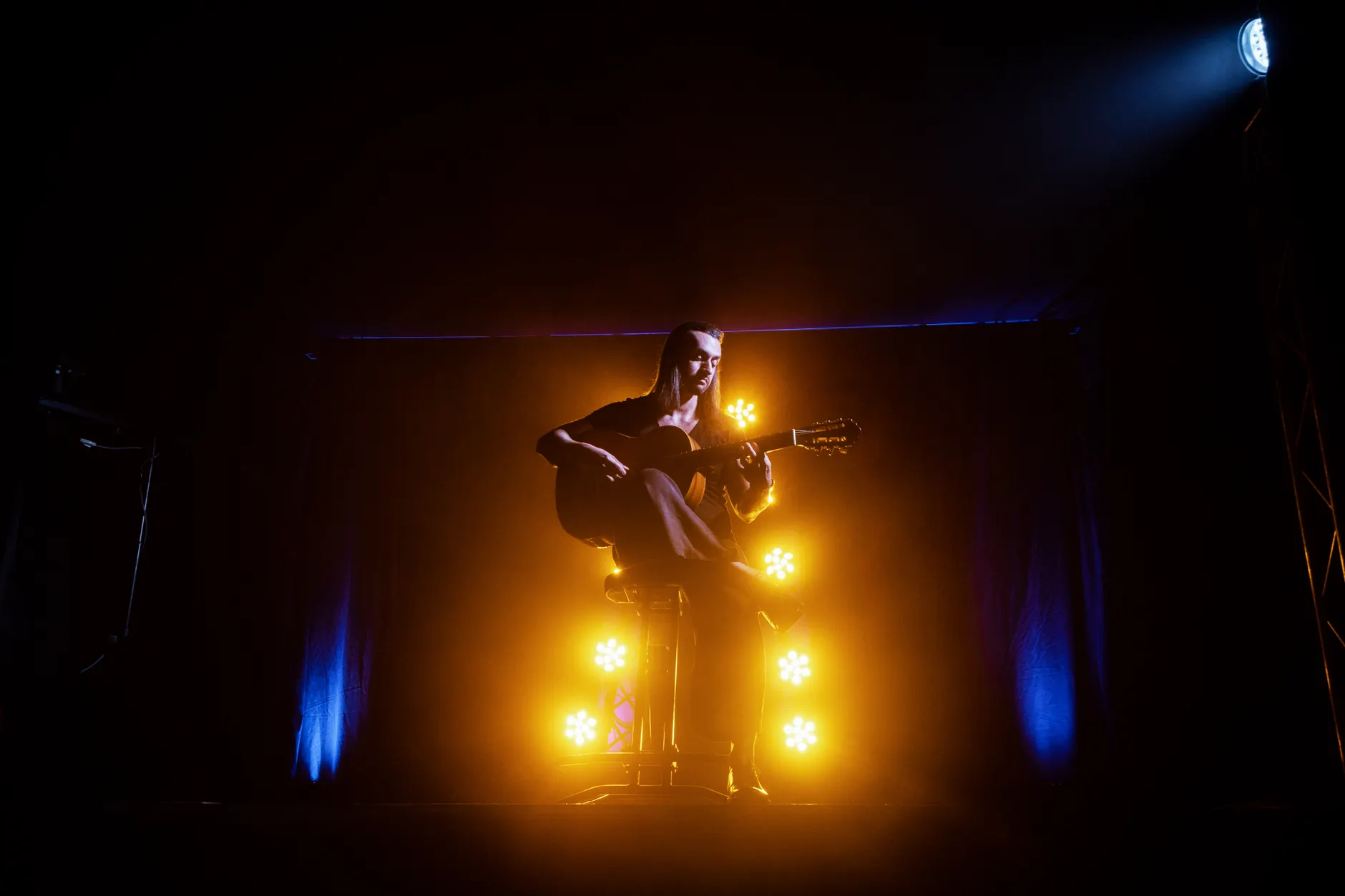
Simon Arruda, a Toronto fado guitarist who performed in the festival, put it this way: "There's this sadness of the men going away, with a very high probability of never coming back. Fado became our song to express saudade — an intense nostalgia for things to be as they were, or for someone to return."
But for kids growing up in 1990s Toronto, fado wasn't something to celebrate. Fadista Jennifer Bettencourt wanted to assimilate at all costs. "At school, I wanted to blend in at all costs to avoid being bullied, but as soon as I crossed the threshold of my house, boom, I was in Portugal," she said. Her mother teased her for listening only to mainstream pop, so Bettencourt learned a fado song — and something shifted. "It awoke a flame. Fado became my gateway to loving my culture and being proud to be Luso-Canadian. I discovered fado wasn't just sad nostalgia, but incredible storytelling that resonated with me."
That reclamation is now visible across the city. A black-and-white mural of Amália Rodrigues — the "Queen of Fado" — sits on Dundas Street West in Little Portugal. The festival drew hundreds to community venues that would have been invisible to mainstream Toronto a decade ago.
The festival runs through October 11.
The details
When does the International Fado Festival run?
The festival runs from September 25 to October 11, 2026, across Toronto and Mississauga community venues.
Are tickets still available for the festival?
No. Each night of the International Fado Festival is sold out.
Who organized the International Fado Festival?
José Eustáquio, organizer and executive president of the Alliance of Portuguese Clubs and Associations of Ontario, organized the festival.
