Warhol's Factory architect Gerard Malanga brought pop history to Toronto
The 83-year-old collaborator held sold-out events last week, sharing stories from inside Andy Warhol's iconic studio and teaching silkscreening.
The day's top stories, food & events — every morning at 7. Unsubscribe anytime.
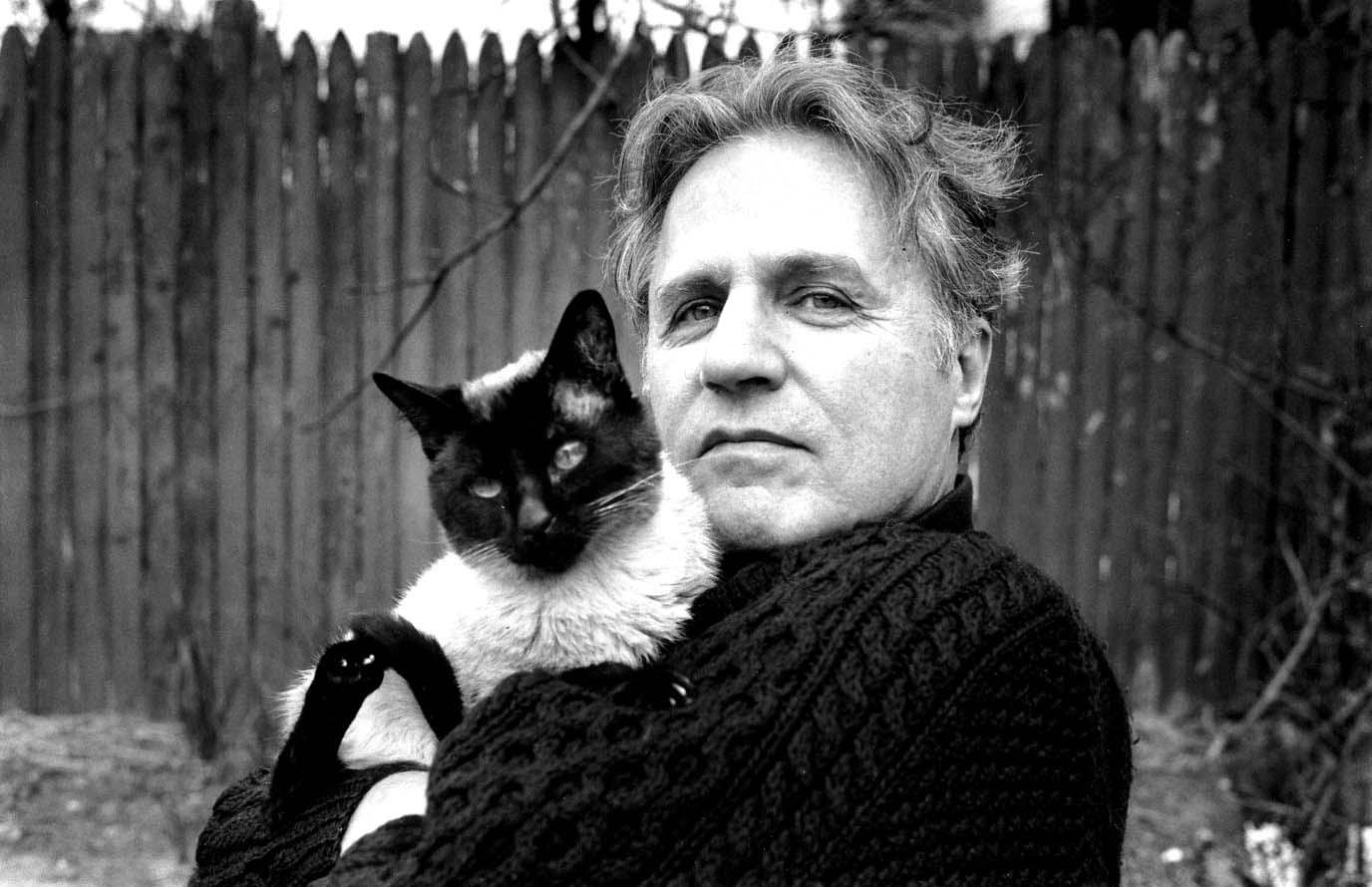
Gerard Malanga, the 83-year-old who shaped the visual language of Pop Art alongside Andy Warhol from 1963 to 1970, spent last week in Toronto sharing the Factory's untold stories.
Malanga worked with Warhol on iconic silkscreen series including Flowers, Campbell's Soup Cans, Marilyn Monroe, and the Death and Disaster works. He was also a key performer in Warhol's multimedia Exploding Plastic Inevitable shows with The Velvet Underground, helping define the visual spectacle.
His Toronto visit began June 24 at Paradise Theatre with a screening of his 1964 experimental film, Andy Warhol: Portrait of the Artist as a Young Man, followed by poetry reading, Q&A, and book signing, presented by promoter Gary Topp. On Thursday evening, June 26, Malanga did another Q&A at Peach Berserk, hosted by silkscreen entrepreneur and fashion designer Kingi Carpenter, which included a silkscreen workshop and 60s-style dinner.
Carpenter's connection to Malanga's world runs deep. In 1983, she picked up a copy of Edie—the book about Warhol muse Edie Sedgwick—which opened a window to the New York arts scene. "I became obsessed," she said. That obsession drove her to art school to learn silkscreening. She eventually dropped out and launched fashion business Peach Berserk, building it entirely on principles she absorbed from Warhol and Malanga's work. "Without Andy and Gerard, it never would have happened," she said.
The workshop, "A Creative Life with Gerard Malanga," was limited to 45 guests in Carpenter's artistic space, packed with mismatched chairs and every inch of wall space covered in framed art. Two giant silkscreened Cherry Blossom boxes—the discontinued Canadian candy from the 1980s—flanked Malanga as he answered questions from Carpenter and the audience.
In 2024, recognizing his global influence, the French Ministry of Culture elected Malanga as a Chevalier of the Ordre des Arts et des Lettres for his contribution to the arts and literature. His visit to Toronto underscored his enduring role in shaping how a generation of artists—Carpenter included—understood creativity itself.
