Dead Reckoning: How an Estate Executor Bankrupted a Legacy
An art-filled Toronto home, a trust betrayed, and decades of savings vanished. The story of Sami and June, and the man they asked to protect their life's work.
The day's top stories, food & events — every morning at 7. Unsubscribe anytime.
As a boy, Sami Suomalainen walked the beaches of Helsinki and imagined the Baltic stretching to Africa, Asia, and the Americas. He dreamed of crossing oceans to meet other children with their hands in the same sea. Stuck in post-war Finland with two brothers, a nurse mother, and a copywriter father, he painted the fantastical worlds he hoped to one day see.
At 15, he set down his brushes and left for adventure. The Finnish Navy came first, then years hauling cargo on merchant vessels working ports between Miami and Montreal. When he returned to land, he chose Toronto—a city that reminded him of Helsinki. Yorkville's bohemian scene was roaring. Sami fit right in: art classes, gallery openings, parties at European clubs where he met a feisty Englishwoman named June.
June was a midwife from industrial Manchester who'd fled as soon as she could, working hospitals in Fort Worth, Philadelphia, and Toronto. She researched Finland at the library to impress Sami on their dates. He drove nine hours in his jalopy to visit her in Chicago when she took a contract there. They married in 1966 and never stopped exploring—Brussels, Buenos Aires, London, Helsinki, Cuba, Algonquin.
Toronto became their home base. In 1975, they bought a brick semi near Yonge and Eglinton and filled it with cats that Sami would plop into the pockets of his painter's smock. He became a commercial artist—editorial cartoons, furniture drawings for ads, canoe designs. In 1979, he illustrated Robert Munsch's first children's book, "Mud Puddle," and his career took off. Galleries across Toronto exhibited his dreamy canopies and seaside scenes. Sami painted every day, even in his 70s, biking down to his favorite coffee shop in Kensington Market. June worked as a nurse at St. Michael's Hospital until she was 73, hosting brunches and dinner parties for artists, health care workers, professors, tennis players, and a former Swiss Guard.
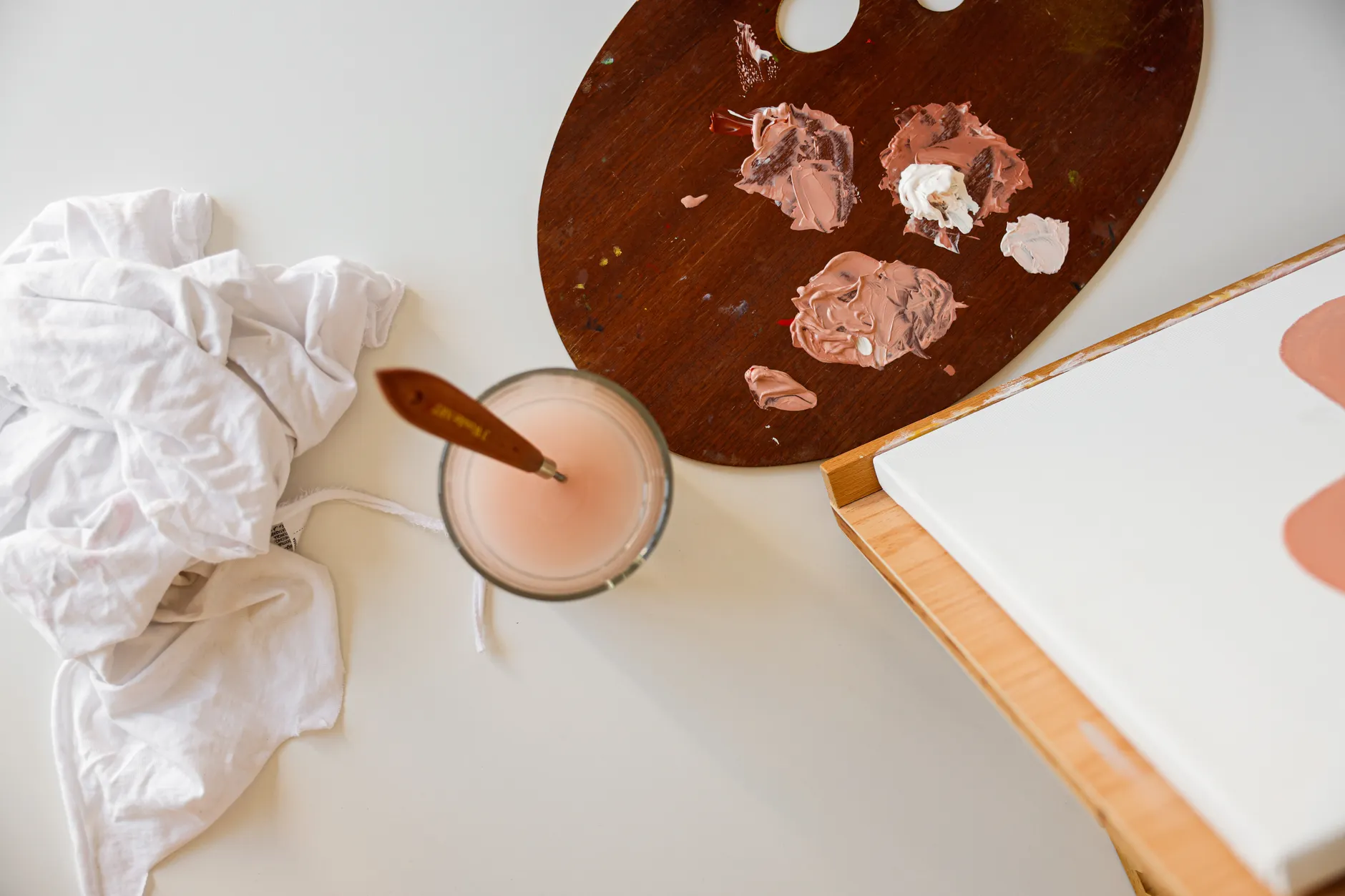
The basement of their home held hundreds of paintings, drawings, frames, ceramics, sculptures, glassworks, and wood carvings. A second-floor bedroom served as Sami's atelier, packed with pigments, palettes, and canvases. When June first suggested making a will, Sami resisted. He was a private person. But eventually they agreed: their estate would be divided among friends and family.
What neither of them anticipated was that the executor they chose—a man they trusted to shepherd their life's work—would oversee its systematic dissolution. Art would vanish. Savings would evaporate. The legacy of fifty years of marriage and creative output would be reduced to legal paperwork and regret.
This is the story of how a trust was broken, and how the people left behind are still searching for answers.
