Greenbelt now refuge for 70% more species at risk
Ontario's protected zone has become a critical safe haven for 121 vulnerable species, a sharp increase from two decades ago.
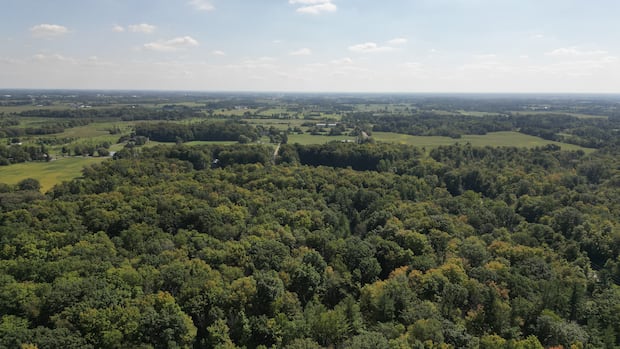
The Greenbelt has quietly become something more vital than a preservation of farmland and forest — it's now a refuge for species with nowhere else to go. A new report from Ontario Nature shows the protected zone is now home to 121 species at risk, a nearly 70 percent jump from two decades ago.
That shift reflects both the Greenbelt's success as a conservation tool and the mounting pressure on wildlife across the province. As development sprawls and habitat fragments, the Greenbelt has become a kind of last stand for vulnerable species that can't adapt to the urban and suburban landscape creeping around it.
The finding underscores why the Greenbelt's protection matters beyond the usual preservation arguments. It's not just about saving a pastoral landscape — it's about maintaining the only large-scale habitat many species have left in the Greater Toronto Area. The expansion of at-risk species using the zone suggests that without it, those populations would have nowhere to survive.
Critics and conservation advocates are now pressing the government to accelerate a long-delayed review of the Greenbelt's boundaries and protections. The report is framed as both a success story and an urgent call: the Greenbelt is working, but only as long as it remains intact.
The math is stark — lose the Greenbelt, and you lose the refuge for over a hundred vulnerable species.