Climate expert: Toronto must redesign neighborhoods to handle extreme heat
As the city faces its second heat wave, urban planner Dorsa Jalalian says cooling-focused design—from tree canopy to green roofs—is urgent. Lower-income areas need priority.
The day's top stories, food & events — every morning at 7. Unsubscribe anytime.
As Toronto endures its second heat wave of the summer, urban design experts are warning the city must fundamentally rethink how neighborhoods are built to survive rising temperatures.
Dorsa Jalalian, principal and urban designer at DIALOG, points to practical changes that can cool streets and public spaces: lighter-coloured paving to reflect rather than absorb solar radiation, green roofs and cool roofs on buildings, expanded tree canopy in areas with little existing shade, and permeable ground surfaces that reduce heat buildup.
Last year, the City of Toronto partnered with DIALOG to develop the Thermal Comfort Guidelines—the first comprehensive heat-resilience framework of its kind in North America. The guidelines provide evidence-based strategies for making public spaces more comfortable during both extreme heat and cold.
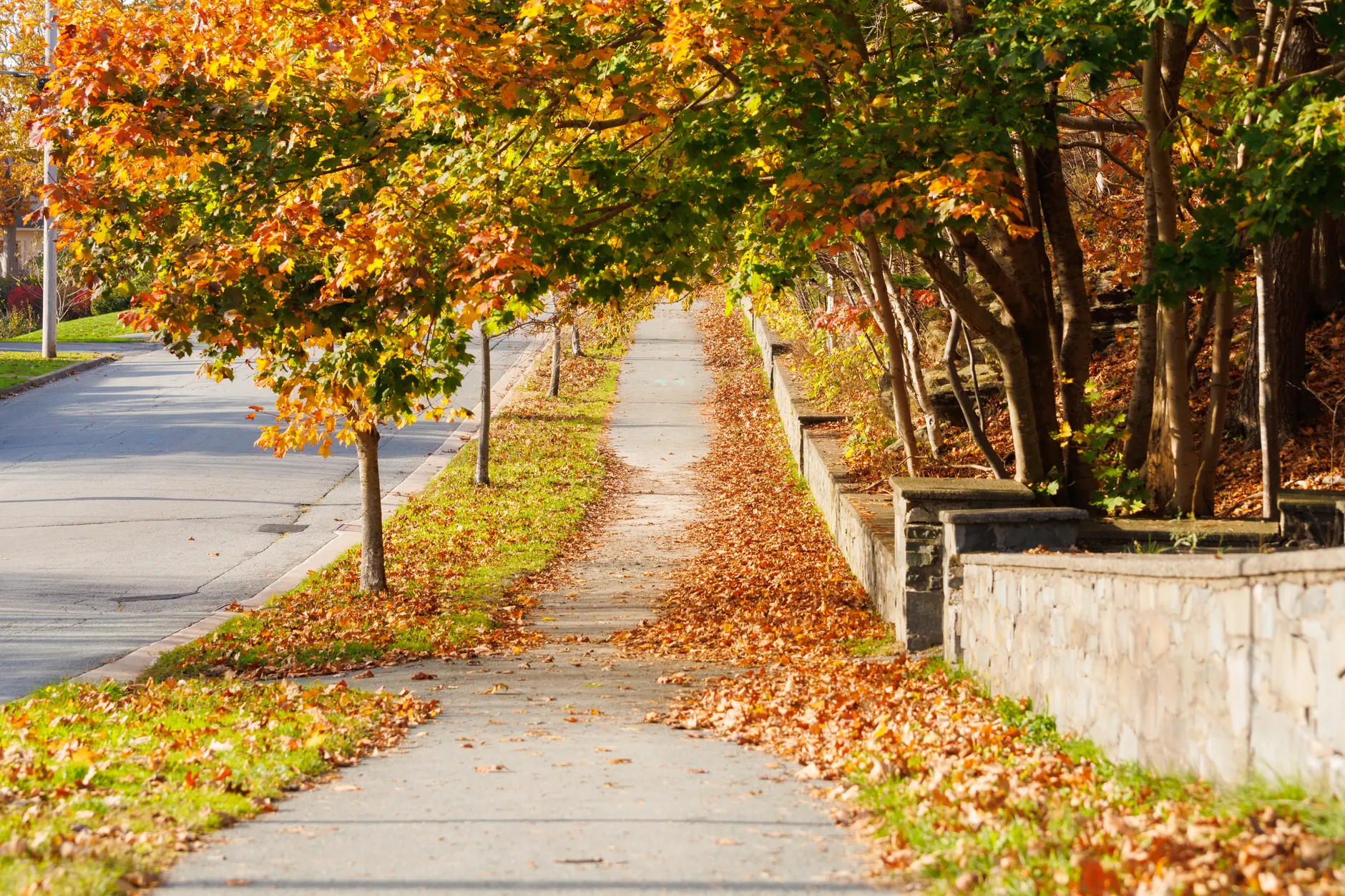
Deciduous trees offer a simple solution, Jalalian said: they provide summer shade when needed most and let winter sunlight through. Parks and public spaces can offer both sunny and shaded areas so residents choose what feels comfortable by season.
But cooling the city is also an equity issue. Lower-income neighbourhoods often have fewer trees, less green space, and fewer places to escape heat than wealthier areas. When overlaying Toronto's tree canopy with socioeconomic data, the disparity is stark: vulnerable neighbourhoods have less shade access and fewer mature tree canopies.
The facts
What is the Thermal Comfort Guidelines?
The Thermal Comfort Guidelines is a heat-resilience framework developed in partnership between the City of Toronto and DIALOG. It is the first comprehensive framework of its kind in North America and provides evidence-based strategies for making public spaces more comfortable during extreme heat and cold.
What cooling design changes does the expert recommend?
Dorsa Jalalian recommends lighter-coloured paving to reflect solar radiation, green roofs and cool roofs on buildings, expanded tree canopy in shaded areas, and permeable ground surfaces that reduce heat buildup.
Which Toronto neighborhoods need priority for cooling design?
Lower-income neighbourhoods in Toronto need priority because they typically have fewer trees, less green space, and fewer places to escape heat compared to wealthier areas.
