Governor General Louise Arbour says Canada's public disagreements are healthy democracy
Governor General Louise Arbour says Canada's public disagreements are healthy democracy, and 74.95 per cent of Albertans voted to remain in Canada in Octob
The day's top stories, food & events — every morning at 7. Unsubscribe anytime.
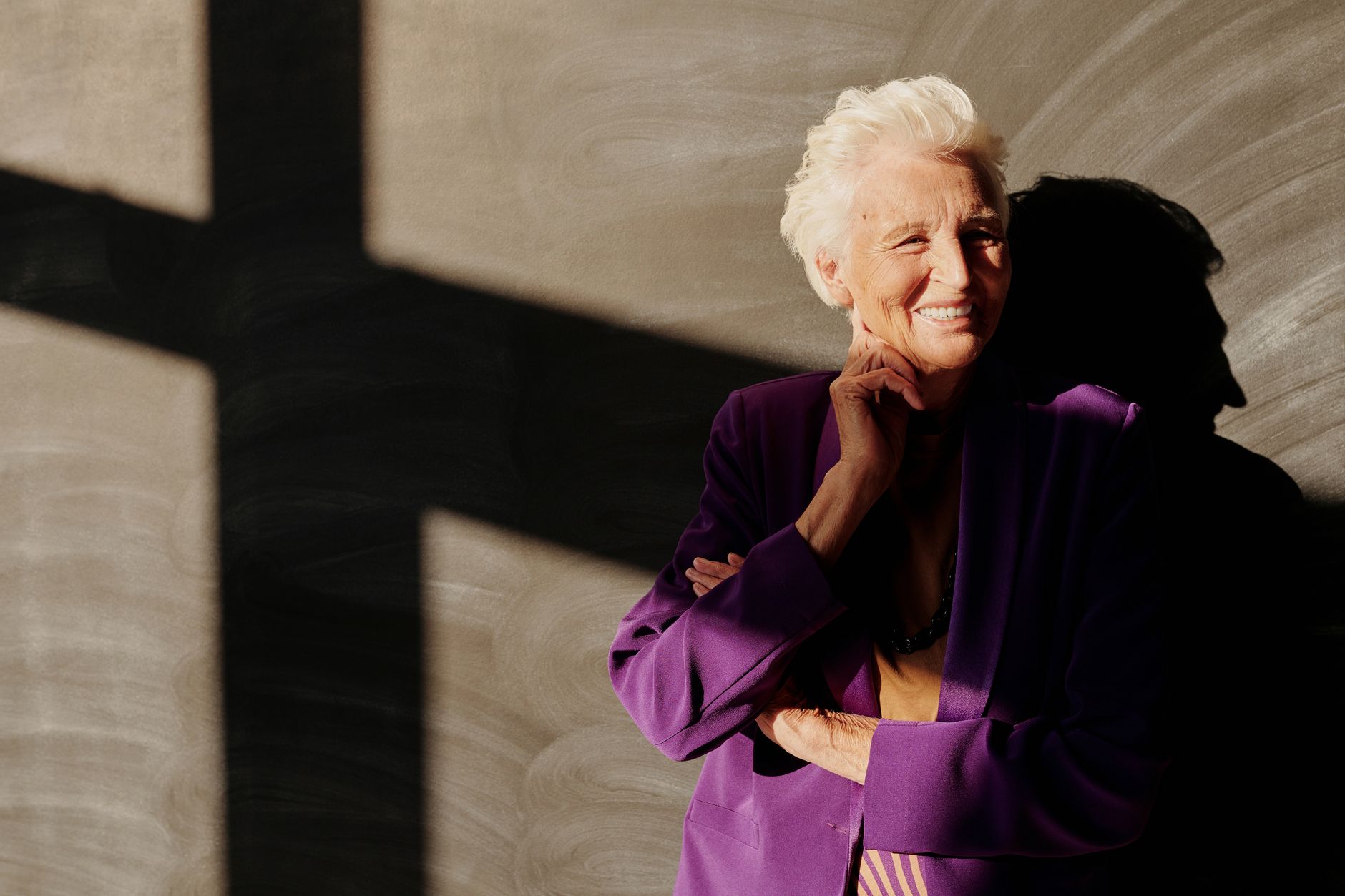
Governor General Louise Arbour says Canada's public disagreements are a sign of healthy democracy, not a reason for alarm.published Friday, Nov. 27, she said the country has a lot that binds it together and that Canadians can express different views respectfully.
Arbour was sworn in as the 31st governor general on June 8. The governor general is the King's representative in Canada. She succeeded Mary Simon, Canada's first Indigenous governor general. She took the job while the country was dealing with a trade war with U.S. President Donald Trump and his repeated talk of making Canada the 51st state. Asked how she sees her role in holding the country together, she joked that it was not part of the job description.
The Alberta referendum came up in the interview, along with the possibility of a referendum in Quebec. On Oct. 19, Albertans voted on ten referendum questions. On Question 10, which asked whether Alberta should remain a province of Canada or begin the legal process for a binding referendum on whether it should separate, 1,556,316 valid votes, or 74.95 per cent, chose to remain. The other option drew 520,233 votes, or 25.05 per cent, according to Elections Alberta's official results. Turnout for that question was 67.44 per cent of eligible electors, compared with 60.5 per cent at the 2023 provincial election. An Alberta order in council approved on May 28 set out Question 10 and ordered that its result is not binding, so the vote does not bind the province to a next step.
Arbour made a similar point in her installation speech on June 8, saying that extreme polarization is dangerous, but so is extreme consensus. In the interview, she said she would be more worried if Canadians were silently in agreement.
On reconciliation, Arbour said her earlier view of Indigenous rights was all about a series of legal concepts. Since taking office, she has been meeting Indigenous communities, and she said she has more to learn than to say.
