Remote Alberta crime tackled with drones and AI surveillance
High-tech monitoring helped catch fuel thieves at a Red Deer County gas plant twice in one day, signaling a shift in rural law enforcement.
The day's top stories, food & events — every morning at 7. Unsubscribe anytime.
High-tech drones, AI surveillance cameras, and licence-plate readers are transforming how Alberta law enforcement tackles property crime at remote industrial sites.
The approach played out June 6 in Red Deer County when a gas plant was targeted for fuel theft twice in less than half a day. The first break-in occurred just after 3 a.m.; suspects fled and their escape vehicle broke down, leading to immediate arrests, said Cpl. Mathew Howell, Alberta RCMP public information officer.
About 10 hours later, a second crew targeted the same plant at 1:21 p.m. This time, police relied on live surveillance footage from Zedcor, a private security company operating at the site, to track the suspects' vehicle to Red Deer and intercept it.
"We were able to identify the vehicle and locate it later that day," Howell said. A coordinated response involving a police drone and multiple RCMP detachments caught the suspects.
Rural crime in Alberta runs 54 per cent higher than urban rates, according to a 2025 Statistics Canada report. Isolated industrial sites with high-value equipment are frequent targets, but new technologies help police gather intelligence faster.
"It's one of the first things we look for whenever we don't have a suspect in front of us right away," Howell said, pointing to cameras with high-definition zoom lenses and licence-plate readers as invaluable investigation tools.
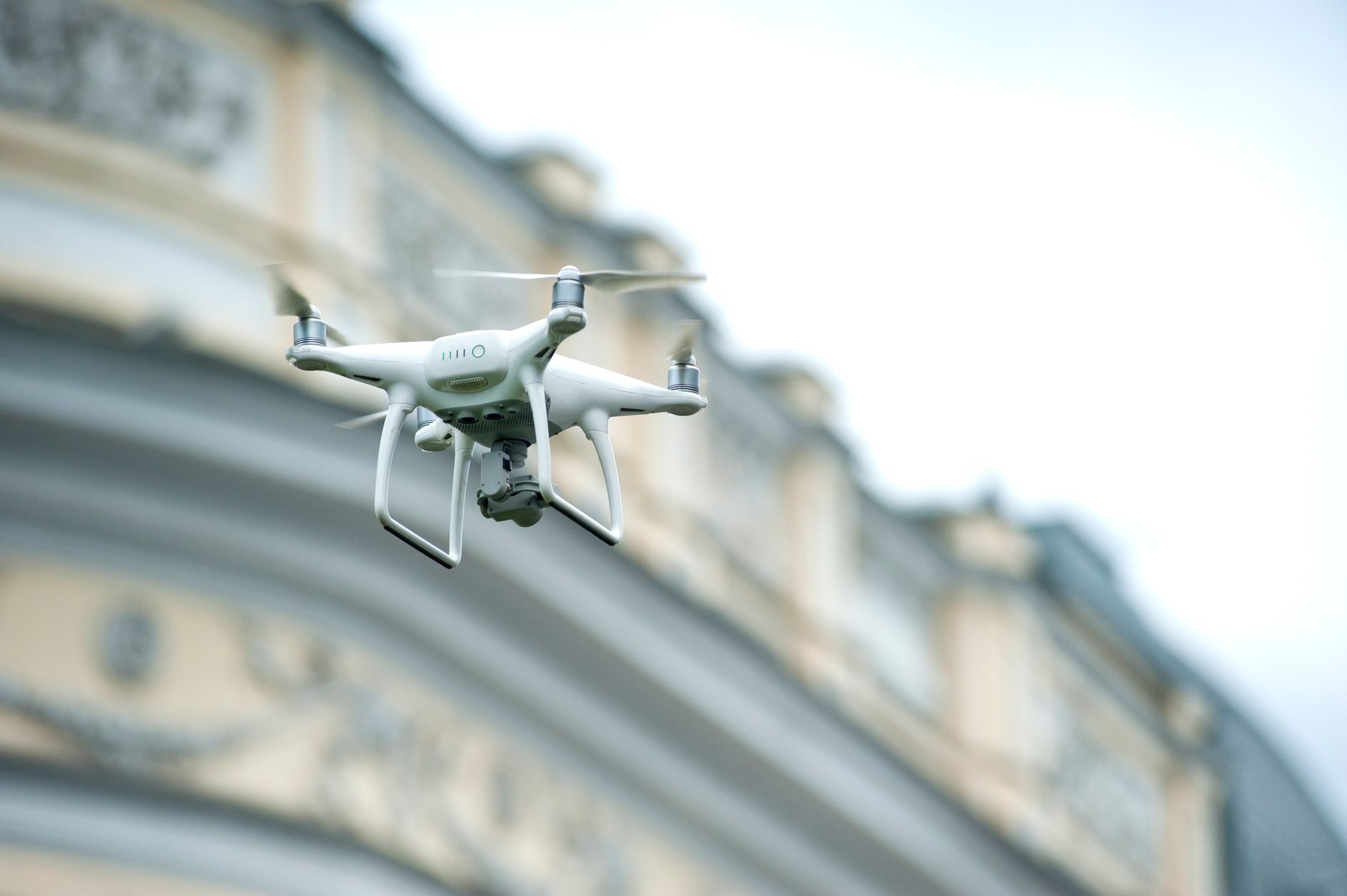
Alberta RCMP have expanded their remotely piloted aircraft systems drone program to assist with rural calls. Drones with infrared thermal sensors can rapidly narrow search areas and often limit the need for high-speed ground pursuits that carry safety risks on rural roads.
James Leganchuk, president of North American operations for Zedcor Security Solutions, noted that isolated locations make it difficult for officers to respond to traditional unverified alarms. "If they have a dedicated person, his phone's going to go off all night," he said, comparing the new live-feed approach to older systems that triggered frequent false alarms from wildlife or weather.
