Jesse Winter on fighting fires and the cost of doing it
The photojournalist's new book explores wildfire labour issues across Canada as blazes grow bigger and more intense.
The day's top stories, food & events — every morning at 7. Unsubscribe anytime.
Jesse Winter, a reporter and photojournalist who has been covering B.C. wildfires since 2018, talks about his new book Wild Fire: Dispatches from a Country Ablaze with sober focus on what he witnessed on the ground — not just the drama, but the systemic strain on the people fighting the fires.
Winter even took initial wildfire training so he could get closer to both fires and BC Wildfire Service workers. It was, he said, "both a good and a terrible time to develop an expertise on wildfire reporting."
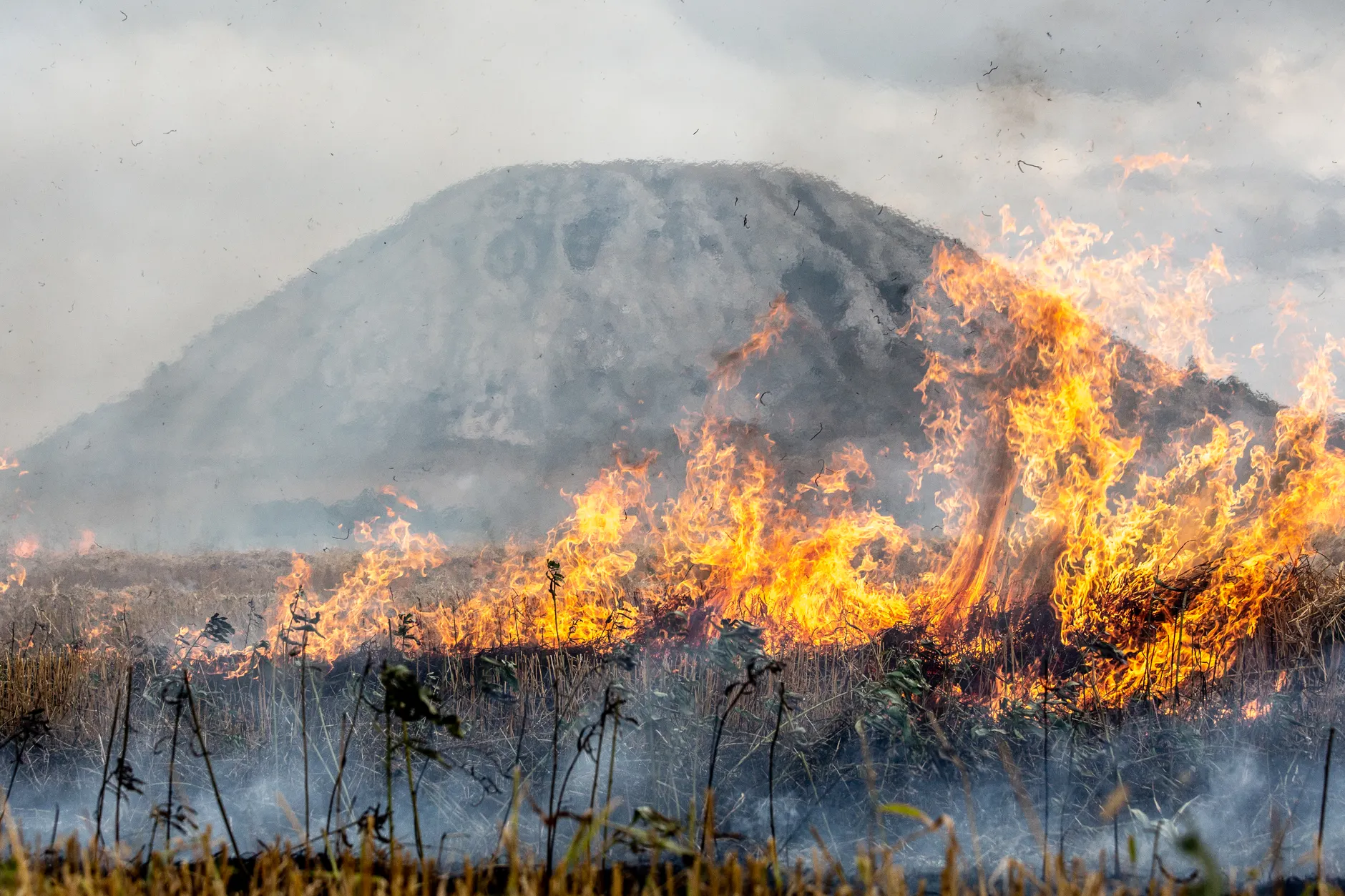
Western Canadians have always lived with forest fires, but over the past decade they have become far more frequent, more intense giants that create their own weather and overwhelm understanding. Fort McMurray in 2016 marked a turning point, with residents forced into a desperate evacuation through flames. Then came the destruction of Lytton in 2023 and the conflagration of Jasper in 2024. In 2023, two B.C. wildfire fighters died in separate incidents just weeks apart.
Winter's book captures his own experience covering these events and the perspectives of the red-shirted wildfire crews who do the work. It's journalistic work that requires time and care, he said, because "the cone of silence and secrecy that pervades most Canadian public agencies is very much in place when it comes to wildfire fighters."
He spent days with crews to understand their reality. "When I was able to access these spaces, when you spend all day with a crew, they talk," Winter said in an interview about the book. "I wasn't doing formal interviews but just getting to know them and understand their frustrations and the realities of their workplace."
What he heard repeatedly: concerns about high levels of turnover, high levels of burnout, and a downward pressure on crew leaders trying to manage rosters that are 30 or 40 per cent rookies.
"What I started to see, particularly in 2023, was the ways in which all of this sort of downward pressure on crews was making things unsafe," Winter said.
Firefighters often use a Swiss cheese model when they talk about safety — where each layer of the system has holes, but as long as those holes don't align, crews are protected. "What's been happening more and more is that things like turnover and burnout, and bigger, longer fire seasons, all of those things are starting to create a scenario where it's more likely that these holes will start to align, and when that happens, things like firefighters getting killed by falling trees, car crashes occur."
Winter's book includes incredibly dramatic scenes of some of the most controversial wildfire responses in the past three years, including the Adams Lake wildfire in B.C.'s Shuswap region in 2023, the evacuation of Yellowknife in 2023 and the Jasper fire in 2024. The work carries a stark warning about labour conditions and the tiny size of Canadian wildfire resources compared with those of other countries.
