North Vancouver debates future of Chemtrade chlorine plant in residential area
After two contentious public hearings, council is reconsidering its rejection of a rezoning request, with residents opposing safety risks and plant workers citing economic importance.
The day's top stories, food & events — every morning at 7. Unsubscribe anytime.
North Vancouver residents and plant workers offered starkly opposing views during a second public hearing on the Chemtrade chlorine plant's future, with council reconsidering its earlier rejection of a rezoning request that would allow continued hazardous-substance production in a residential area.
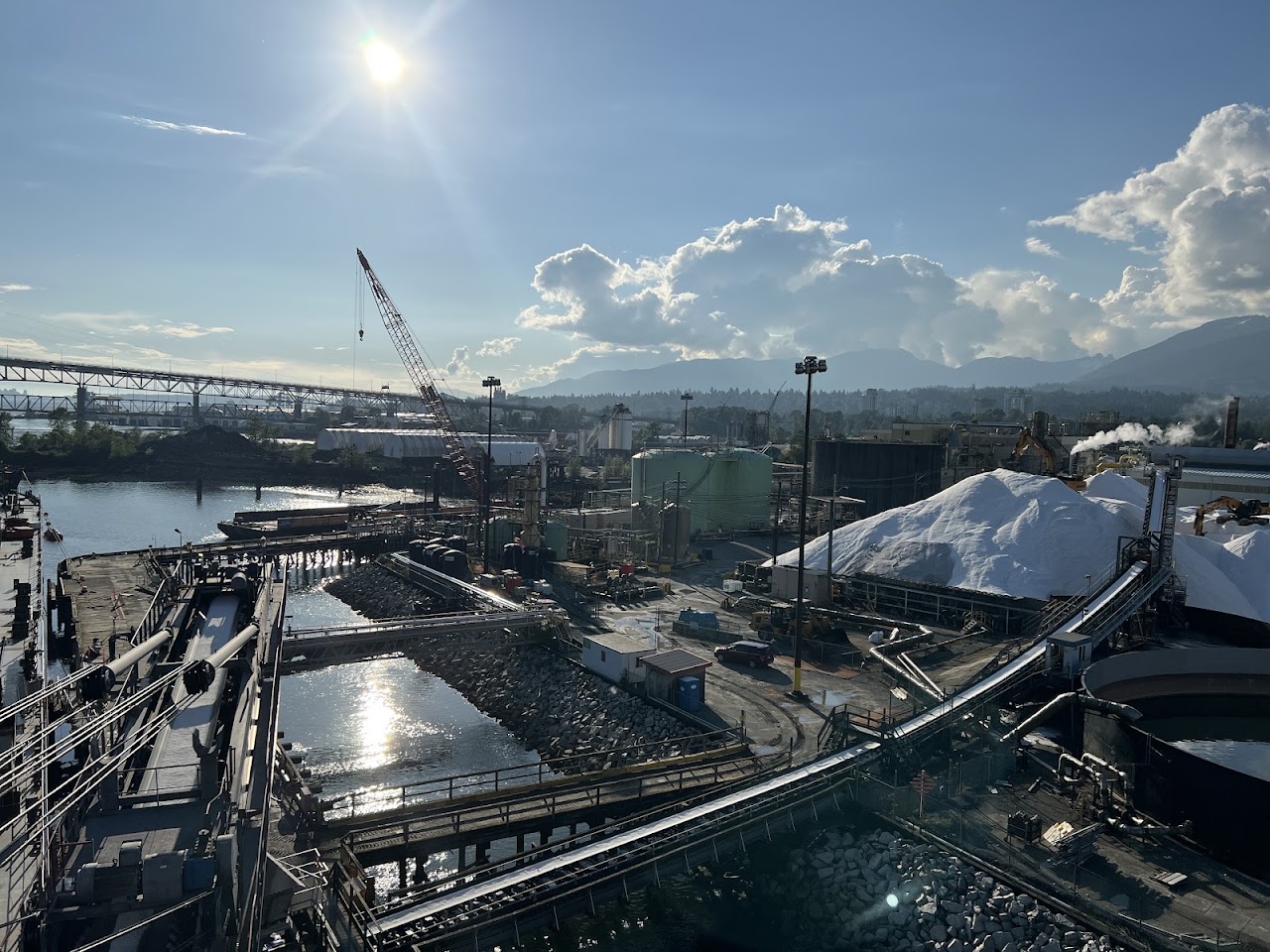
Chemtrade, which has operated a chlor-alkali plant on Amherst Avenue since the 1950s through its predecessors, requested reconsideration in late April after council voted to reject the rezoning. The company proposed new conditions: a covenant on the property's title requiring chlorine operations to end by December 31, 2046 (when its lease with the Vancouver Fraser Port Authority expires, or sooner if the lease ends earlier), planned safety improvements enforceable through the covenant, and updated quantitative risk assessments before permits are issued and again at eight and ten years post-operation.
Mayor Mike Little sought to determine whether these conditions changed public sentiment. The second hearing, held June 16 and 17, revealed they had not.
Opponents cited inherent safety risks of operating a chlorine plant in a residential area and potentially dire consequences from a leak. George McKay, who lives on Dollarton Highway about two kilometres from the plant, said he was surprised by the hearing at all. "I don't think it's a compatible use," he said. "I think we're just taking on somebody else's problem."
Laurie Parkinson, who lives near Park and Tilford, referenced the district's own earlier policy. "Years ago, you banned the production of hazardous materials, specifically naming chlorine on the land Chemtrade wants to move on to," she told council. "This should stop this rezoning.... Chemtrade has known they need to move for almost 20 years. They still have six years to move. Instead, they're pressuring you."
Jeff Powell and Trey Bell urged council to stand firm on its original rejection, arguing that council would never approve a new chlorine plant at this location now.
Chemtrade's supporters—plant employees, executives, and chemical industry insiders—emphasized the company's impeccable safety record and the low likelihood of a leak. They highlighted that Chemtrade supplies 70 percent of the chlorine used to make bleach that disinfects drinking water supplies in Western Canada. If the chemical isn't made locally, it will have to come from the United States or much further away in Canada, they argued, which also carries risk.
