More than 100 wildfires burn across B.C. as climate change doubles extreme fire-weather odds
Federal government allocates $34.2 million for climate adaptation as a new report finds warming has made Canada's recent catastrophic burn season twice as likely.
The day's top stories, food & events — every morning at 7. Unsubscribe anytime.
Update — August 19, 2026: Researchers at Simon Fraser University found that British Columbia spent an average of $525 million annually on wildfire suppression from 2016–2025, more than double the $252 million yearly average from 2006–2015, with wildfire suppression costs in 2024 and 2025 alone reaching $1.3 billion. The SFU researchers noted that B.C.'s wildfire management spending over the past decade is nearly identical to the $1.5 billion the province received in natural gas royalties during the same period.
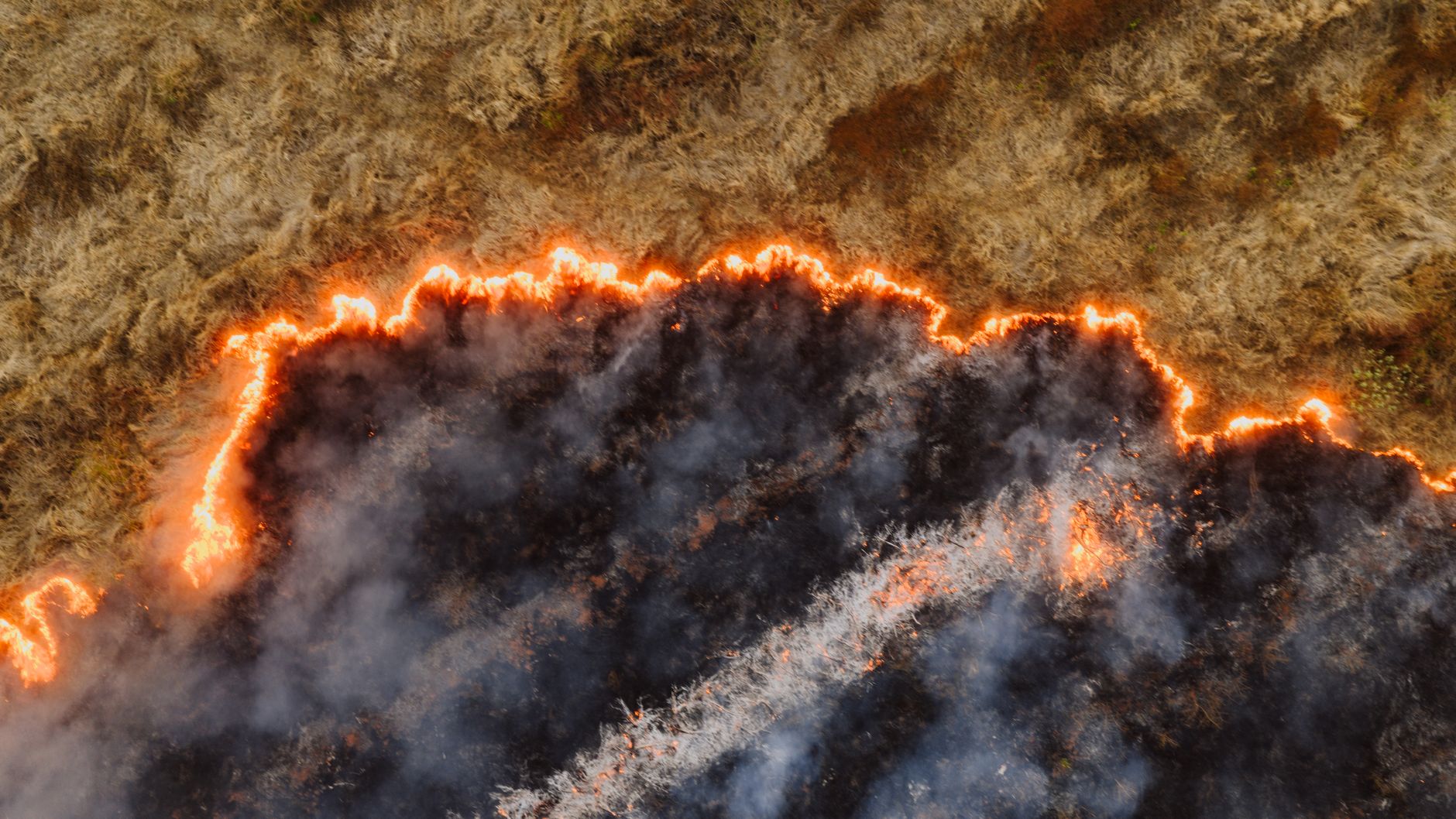
British Columbia is battling 122 active wildfires as of Saturday, August 15, with half classified as out of control and four designated as wildfires of note. The coastal fire region and southern portions of the Cariboo fire region may see thunderstorms bringing potential precipitation and gusty winds this weekend, though wildfire smoke is expected to gradually shift back into central areas of the province.
The scale of the crisis has prompted federal action: the federal government announced Friday it is setting aside $34.2 million to help 141 municipal adaptation projects build climate resilience across Canada. In B.C., the funds are distributed across multiple projects, with Port Coquitlam receiving $789,600 to advance flood-resilient infrastructure, the Habitat Acquisition Trust in Victoria receiving $735,630, and Nanaimo getting $508,220 to improve potable water supply. Environment Minister Julie Dabrusin said the projects will help communities protect people from flooding, extreme heat, and other climate-related risks.
A new report published Thursday by World Weather Attribution found that climate change has made the extreme fire weather behind recent Canadian wildfires dramatically more likely. With global temperatures roughly 1.4 degrees Celsius above pre-industrial levels, researchers determined that severe fire-weather conditions now occurring in Ontario are twice as probable as they would be in a world untouched by human-caused greenhouse gas emissions. The finding is even starker in the Northwest Territories: a week of fire weather as extreme as this year's — which would occur once a decade without warming — is now estimated to return every two years.
Friederike Otto, a climate science professor at Imperial College London and study co-author, warned that even marginal worsening stretches firefighting capacity to breaking point. "Even if just a little bit worse, it would mean that everything is even stretched further," Otto said.
Canada is enduring one of its worst burn seasons on record. More than 4,000 fires have been recorded nationwide so far this year, scorching roughly the size of Switzerland — a nearly 45 per cent increase over the 30-year average spanning 1994 to 2023. The crisis mirrors a global pattern, with major blazes forcing hundreds of thousands of people to evacuate across France, Spain, Portugal, and Greece, and devastating swaths of Patagonia in Chile and Argentina.
How many of B.C.'s 122 active wildfires are classified as out of control?
Which B.C. communities will receive funding from the $34.2 million federal allocation beyond Port Coquitlam, the Habitat Acquisition Trust in Victoria, and Nanaimo?
We'll update this story as answers emerge.
The facts
How many wildfires are burning in B.C. right now?
As of Saturday, August 15, 2026, British Columbia has 122 active wildfires, with half classified as out of control and four designated as wildfires of note.
How much federal funding was allocated for climate adaptation?
The federal government announced on Friday, August 14, 2026, that it is setting aside $34.2 million to help 141 municipal adaptation projects build climate resilience across Canada.
How many fires have burned across Canada this year?
Canada has recorded more than 4,000 fires so far in 2026, scorching an area roughly the size of Switzerland — nearly a 45 per cent increase over the 30-year average from 1994 to 2023.
