B.C. buildings aren't equipped for hotter summers as climate change intensifies
Much of B.C.'s housing stock was designed for historical temperatures and lacks cooling capacity. A Vancouver study found 69% of homes exceeded 26°C indoors during warm weather.
The day's top stories, food & events — every morning at 7. Unsubscribe anytime.
As B.C. faces hotter summers due to human-caused climate change, many of the province's buildings are fundamentally unprepared to keep residents cool and safe.
Much of B.C.'s building stock was designed for historical temperatures and built to heat and retain warmth—not to cool and keep heat out. B.C. homes have some of the lowest rates of air conditioning in Canada, partly because the building code didn't historically require homes to stay cool. Many also have poor ventilation or minimal insulation, compounding the problem.
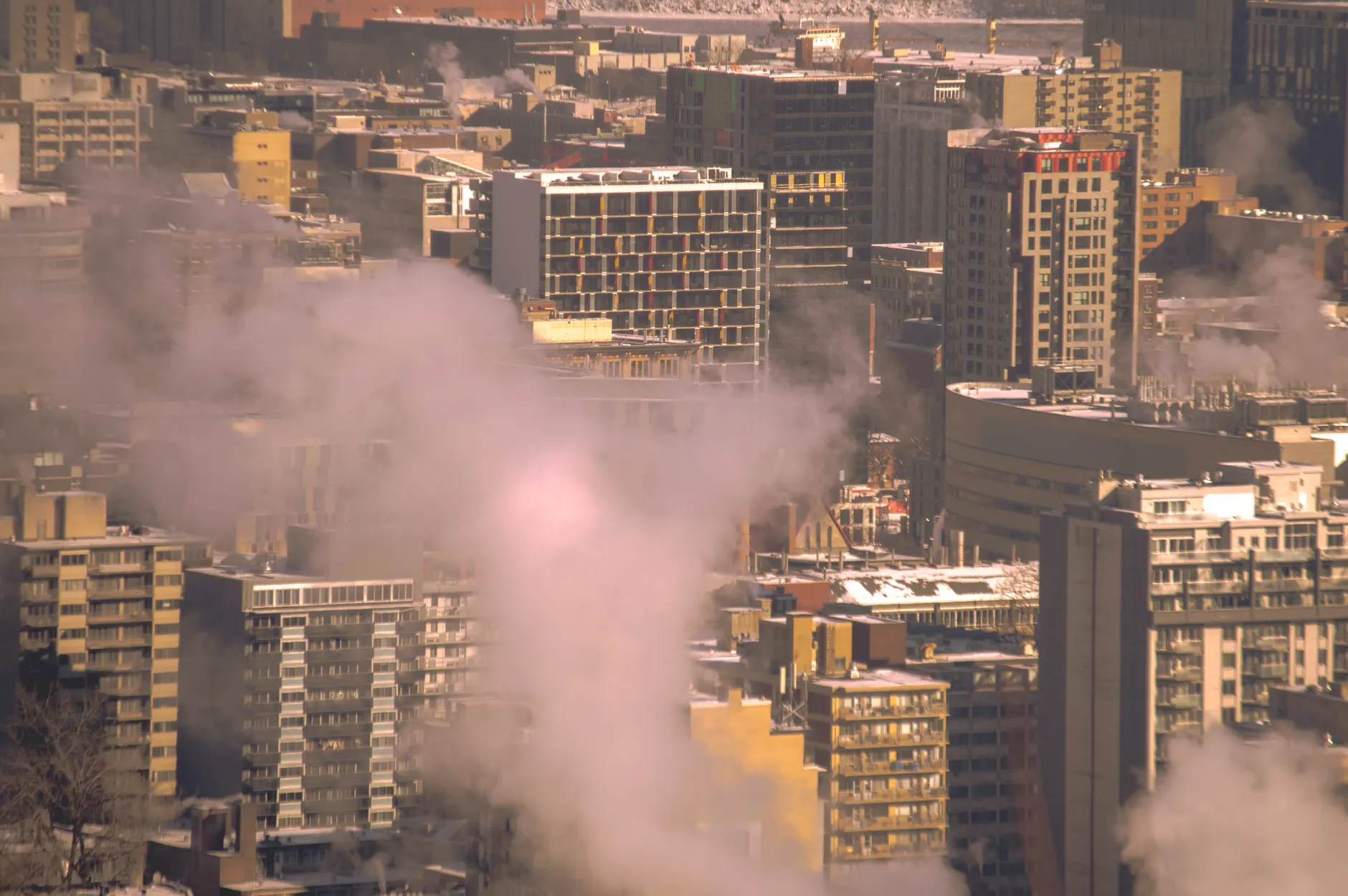
In cities, buildings in "urban heat islands"—areas with dense built surfaces that absorb and radiate heat and insufficient green space—can amplify interior temperatures even further.
The 2021 heat dome that killed over 600 people in B.C. underscored the danger. Ninety-eight per cent of those deaths happened indoors. A study conducted by the City of Vancouver, Vancouver Coastal Health, and the BC Centre for Disease Control collected over 4,500 indoor temperature measurements from Vancouver homes over three years. Researchers found that 69 per cent of homes recorded a temperature of 26°C or above, while 13 per cent reached 31°C or above.
A sustained indoor temperature of 26°C is the threshold where heat-related illness risk increases for vulnerable people, and that risk increases substantially at 31°C. Many survey respondents said they left their homes to find cooler spaces like parks or air-conditioned buildings.
With scientists projecting that climate change will cause B.C.'s summer temperatures to increase further—and forecasts suggesting Vancouver could see a 400 per cent increase in average days above 30°C annually—the need to cool buildings is clear. The challenge now is getting it done.
The facts
What percentage of Vancouver homes exceeded 26°C indoors during warm weather?
A study by the City of Vancouver, Vancouver Coastal Health, and the BC Centre for Disease Control found that 69 per cent of Vancouver homes recorded indoor temperatures of 26°C or above, based on over 4,500 measurements collected over three years.
Why do B.C. homes lack air conditioning?
B.C. homes have some of the lowest rates of air conditioning in Canada partly because the building code didn't historically require homes to stay cool. Many homes also have poor ventilation or minimal insulation, compounding the problem.
How many people died in B.C. during the 2021 heat dome?
The 2021 heat dome killed over 600 people in B.C., with 98 per cent of those deaths occurring indoors.
At what indoor temperature does heat-related illness risk increase for vulnerable people?
A sustained indoor temperature of 26°C is the threshold where heat-related illness risk increases for vulnerable people, and that risk increases substantially at 31°C.
