North Shore firefighters deployed to B.C. Interior wildfires as ranchers lose homes and livestock
District of North Vancouver Fire & Rescue Services assist with Interior blazes while ranchers in southern and central B.C. band together to evacuate animals and save properties from fast-moving fires.
The day's top stories, food & events — every morning at 7. Unsubscribe anytime.
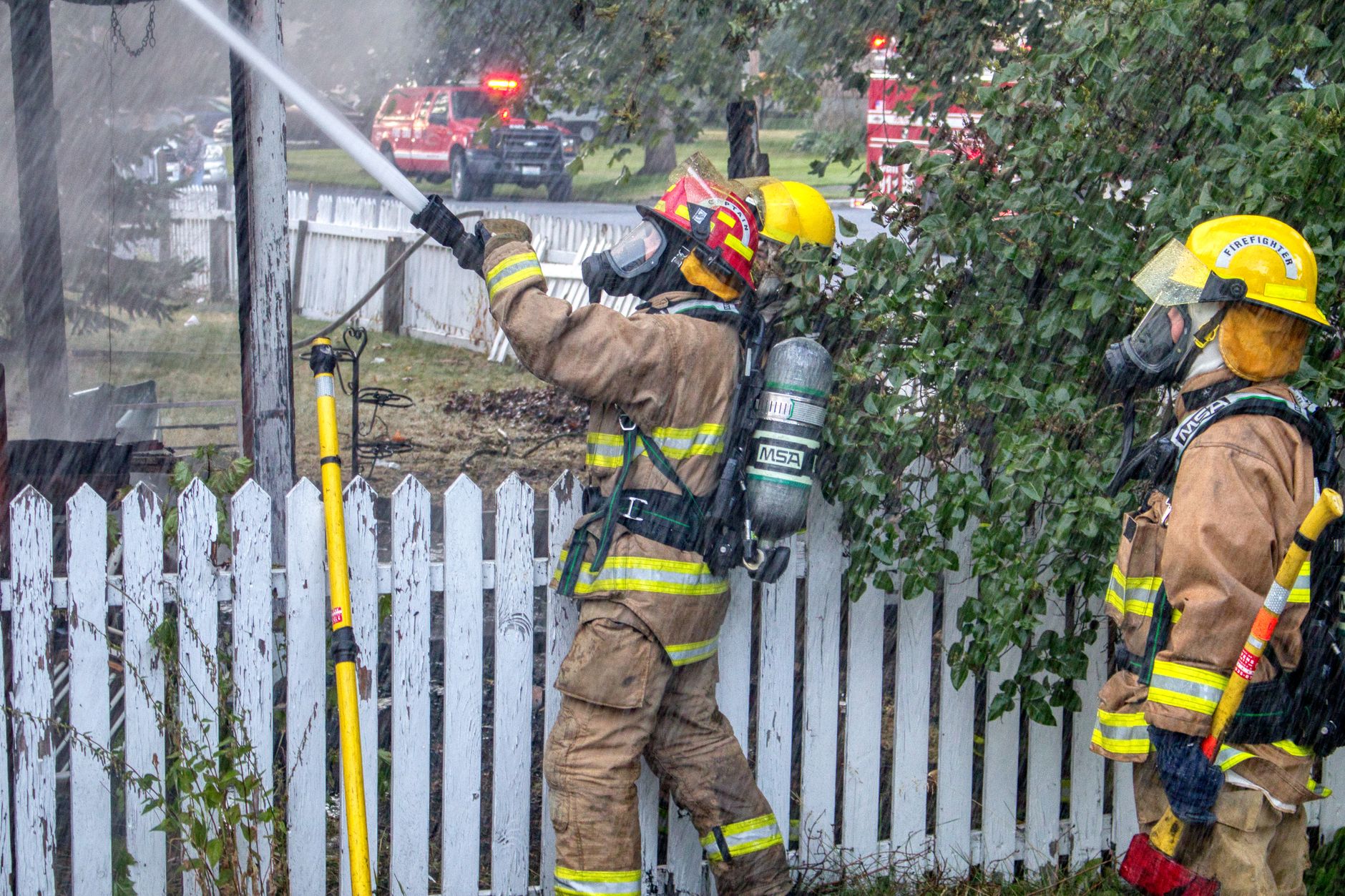
District of North Vancouver Fire & Rescue Services are among crews helping fight wildfires ravaging B.C.'s Interior region, as ranchers in southern and central parts of the province battle fast-moving, intense fires threatening homes, livestock, and winter feed.
In the Churn Creek area northwest of Clinton, two historic ranches—Empire Valley Beef and Gang Ranch—coordinated to save one homestead from the encroaching French Bar Creek fire on July 17. The crew spent hours filling tanks, spraying water over the yard and house, and extinguishing hot spots before structure protection crews arrived and installed roof sprinklers around 1 a.m. The wind shifted and spared the home, but the fire later threatened the range, hay bales, and more than 1,000 cattle and horses the ranches held on summer range in nearby mountains.
"We were up there daily moving, making sure they were out of the fire," said Joyce Holmes of Empire Valley Beef. "And there were days when they were in the fire, and you literally had to push them through it to get them to safety."
B.C. Agriculture and Food Minister Lana Popham said approximately 50,000 animals are within evacuation order and alert zones. Kevin Boon, general manager of the B.C. Cattlemen's Association, is helping coordinate livestock evacuations—a difficult task given how quickly fires are moving. "The fires are burning with such intensity and so quickly that it is really creating a challenge to both move livestock and people out of harm's way," Boon said.
Near Clinton, Noreen Park fled her home and ranchlands on July 24 as embers rocketed past her vehicle. "This wall of fire, 500 feet high, was coming at us," she said. She had already moved her cattle south and escaped with her pets. Park, who works as a provincial range coordinator for the B.C. Cattlemen's Association, said one dairy farmer threatened by the Pear Lake Fire faced a much tougher situation and couldn't move animals before the fire approached. BC Wildfire Service crews installed structure protection around the dairy, and a milk truck was able to retrieve some product, though some had to be dumped.
The BC Cattlemen's Association coordinates various programs available to those impacted by wildfires, and provincial and federal programs can assist ranchers before, during and after a wildfire.
The facts
How many animals are in B.C. evacuation zones?
Approximately 50,000 animals are within evacuation order and alert zones across B.C., according to Agriculture and Food Minister Lana Popham.
What happened at Empire Valley Beef and Gang Ranch on July 17?
The two ranches coordinated to protect one homestead from the French Bar Creek fire near Clinton, spending hours filling tanks, spraying water, and extinguishing hot spots before structure protection crews installed roof sprinklers around 1 a.m.
Who is helping coordinate livestock evacuations in B.C.?
Kevin Boon, general manager of the B.C. Cattlemen's Association, is helping coordinate livestock evacuations across the province.
Ongoing coverage · Ongoing Wildfire Crisis Across B.C.
