BC restricts water use on Salmon River to protect endangered Chinook salmon amid drought
A temporary protection order effective Tuesday bans irrigation of forage crops and lawns across 456 licenced water users in the Thompson Okanagan watershed.
Sources · BC Government News
The day's top stories, food & events — every morning at 7. Unsubscribe anytime.
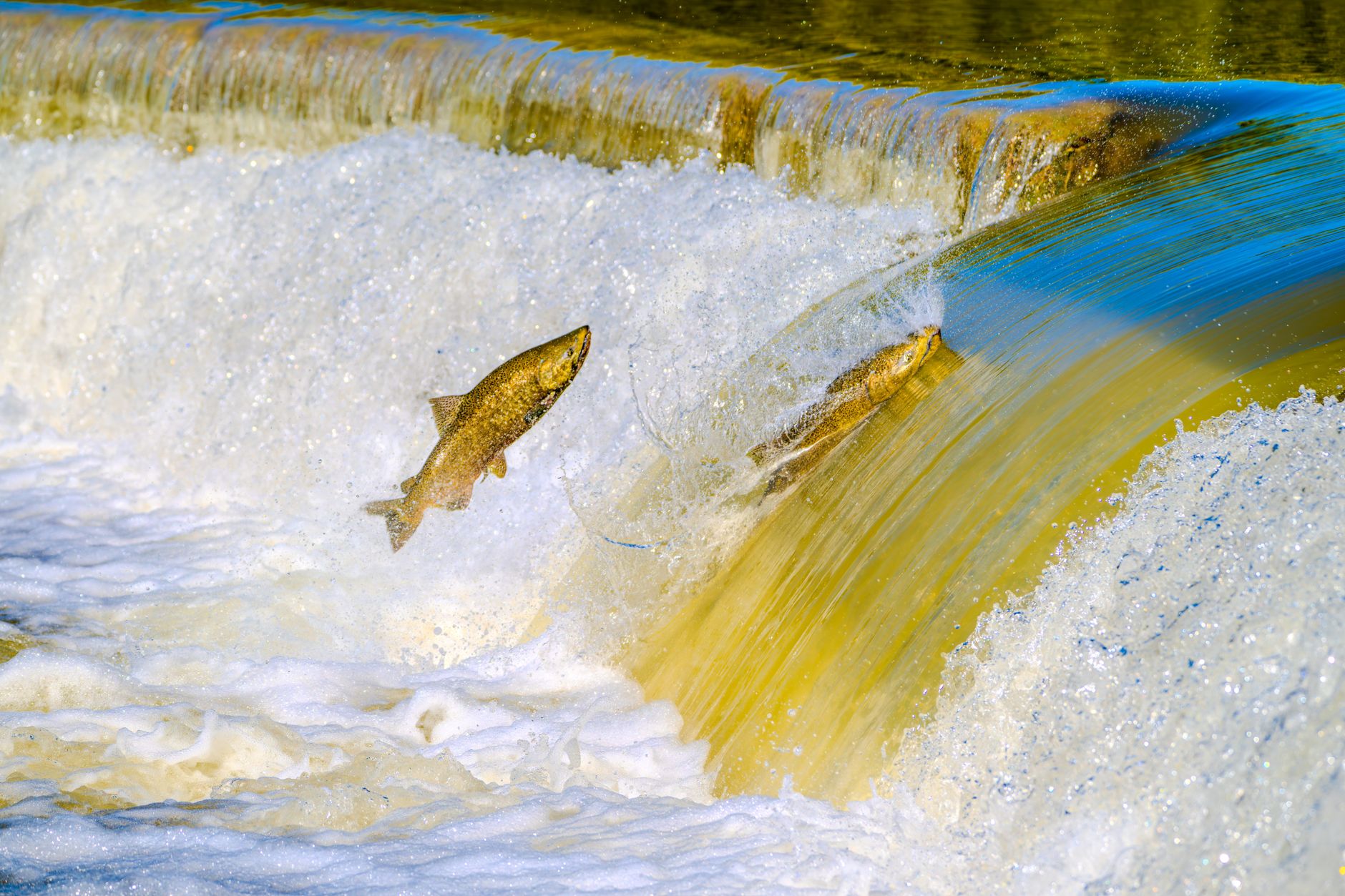
British Columbia issued a temporary protection order Tuesday restricting water use across the Salmon River watershed in the Thompson Okanagan region to protect spawning Chinook salmon threatened by severe drought.
Effective July 28, the order affects 456 surface-water and groundwater licences, banning irrigation of forage crops—including hay, alfalfa, and forage corn—as well as lawns, fairways, and gardens. These irrigation uses account for some of the most water-intensive agricultural applications in the region.
Despite voluntary conservation efforts from farmers, local communities, and government partners, streamflow in the Salmon River has remained persistently low. Last week, flows dropped well below the minimum threshold required to support fish population survival, posing significant risk to Chinook spawning.
The province said it will monitor conditions and may repeal the order if streamflow recovers sufficiently. Farmers and ranchers affected by the drought can access support through AgriService BC at 1-888-221-7141. Since 2023, BC has invested $120 million into the Agriculture Water Infrastructure Program, supporting more than 700 projects aimed at improving water storage and supply systems in drought-prone areas.
The facts
When did BC's water restriction order take effect?
The temporary protection order took effect on July 28, 2026.
How many water licences does the order affect?
The order affects 456 surface-water and groundwater licences in the Salmon River watershed.
What types of irrigation are banned under the order?
The order bans irrigation of forage crops (hay, alfalfa, and forage corn) as well as lawns, fairways, and gardens.
How much has BC invested in drought relief since 2023?
BC has invested $120 million into the Agriculture Water Infrastructure Program since 2023, supporting more than 700 projects aimed at improving water storage and supply systems.
